

Bicycle & Motorcycle Locks
Pay in 3 interest-free payments on purchases from £30-2000 with  . Learn more.
 Loading...
End of content
Error - No more pages to load
About Bicycle & Motorcycle Locks
Securing your bicycle or motorcycle against theft requires more than just any lock – it demands the right combination of security rating, build quality, and practical features to match your specific circumstances. Whether you're a daily commuter leaving your bike at the station, a tradesperson using a motorcycle for site visits, or a cycling enthusiast stopping at cafés during weekend rides, the locks available from Tooled-Up.com provide varying levels of protection to suit different risk environments. From lightweight cable locks ideal for quick stops in supervised areas to heavy-duty U-locks and armoured cable systems engineered to withstand determined theft attempts, the selection includes trusted security solutions from Master Lock, Abus, and Draper.
Modern bicycle and motorcycle locks utilise advanced materials including hardened steel shackles, braided steel cables, and weather-resistant coatings to deliver maximum security whilst remaining practical for everyday transport. The Abus 950 Series Steel-O-Flex locks feature 25mm hardened steel shells with high tensile cable cores, whilst Master Lock's range includes everything from compact self-coiling designs to robust U-bar locks with integrated security cables. Many locks feature Sold Secure ratings – an independent UK testing standard that assesses resistance to various attack methods – giving you confidence that your security investment meets recognised industry benchmarks often required by insurance policies.
When selecting appropriate protection, consider not just the security rating but also portability, locking mechanism type, and how you'll carry the lock during your journey. Self-coiling designs mount directly to frames for convenient transport, flexible cable locks can secure multiple components simultaneously, and rigid shackle locks offer superior resistance to cutting tools and leverage attacks. Weather-resistant PVC coatings prevent paintwork damage whilst protecting internal mechanisms from moisture and corrosion – essential features for year-round use in British weather conditions. Keyed-alike options allow multiple locks to operate with a single key, particularly useful for securing both wheels and frame or managing fleet bicycles.
Jargon Buster
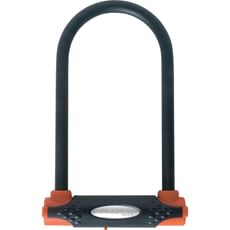
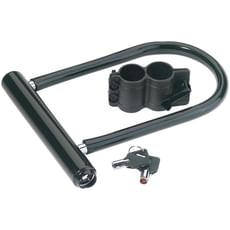
- U-Lock (D-Lock): A rigid lock shaped like a 'U' or 'D', constructed from hardened steel to provide excellent resistance against leverage attacks, bolt cutters, and sawing attempts. The through-hardened construction makes these among the most secure portable lock types available for high-value bicycles and motorcycles.
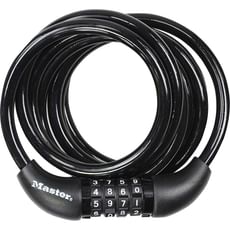
- Cable Lock: A flexible steel cable covered in protective PVC coating, offering versatility for securing wheels and frames together or to fixed objects. Available in braided or self-coiling designs with various diameter options – thicker cables provide greater security but reduced portability. Ideal as secondary locks or for low-risk environments.
- Sold Secure Rating: An independent UK testing standard administered by the Master Locksmiths Association that rates locks as Bronze, Silver, Gold, or Diamond based on their resistance to various attack methods including cutting, picking, and leverage. Higher ratings indicate greater security and are frequently specified by insurance policies for coverage validity.
- Shackle: The curved or straight bar portion of a U-lock or padlock that secures around the bicycle frame and fixed object. Shackle diameter, length, and material composition directly affect the lock's resistance to cutting tools – thicker hardened steel shackles provide superior protection but may limit mounting options.
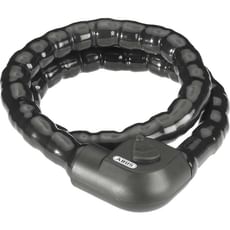
- Armoured Cable: High-security cable construction featuring multiple layers including hardened steel wire cores, protective sheaths, and abrasion-resistant outer coatings. Significantly more difficult to cut than standard cables, offering enhanced security whilst maintaining flexibility for securing awkward frame geometries or multiple items.
- Keyed Alike: Multiple locks manufactured to operate with the same key, allowing you to carry a single key for several locks. Particularly useful for securing both wheels and frame separately, managing multiple bicycles, or coordinating security across fleet vehicles without carrying numerous keys.
Who Uses Bicycle & Motorcycle Locks?
- Daily cycle commuters travelling to offices, workshops, and industrial sites
- Professional couriers and delivery riders requiring frequent secure parking
- Motorcycle owners and scooter riders securing vehicles in public car parks
- Cycle-to-work scheme participants needing insurance-approved security solutions
- University students and college attendees securing bikes on campus facilities
- Tradespeople using bicycles or motorcycles for site-to-site transport
- Mountain bikers and road cyclists stopping at cafés and rest points
- Fleet managers responsible for company bicycle and motorcycle schemes
- Leisure cyclists and families securing bikes during shopping trips
- Facility managers maintaining security in workplace bike storage areas
- Construction workers securing transport at multi-site locations
- Healthcare workers parking at hospitals and community care facilities
How to Choose the Right Bicycle & Motorcycle Locks
Selecting appropriate security begins with assessing the value of what you're protecting and the theft risk level of typical parking locations. High-value bicycles and motorcycles parked overnight in urban areas require maximum security U-locks or heavy-duty chain systems, whilst quick stops in supervised rural locations might only need basic cable locks as visual deterrents. Consider whether you'll be parking in the same secure location daily or different public spaces with varying risk levels.
Security ratings demand careful attention, particularly if insurance coverage depends on meeting minimum standards. Many policies specify required Sold Secure ratings for claims validity – Gold-rated locks offer substantial protection for most urban environments, Silver ratings suit moderate-risk suburban areas, and Bronze provides basic deterrent security for low-value bikes in supervised locations. The Tooled-Up range includes locks across all rating categories, allowing you to match security level precisely to your insurance requirements and risk assessment.
Portability significantly impacts daily usability. Heavier locks with thicker shackles and larger mechanisms provide superior security but become cumbersome during transport, especially on longer journeys. Self-coiling designs remain compact and mount to frames using brackets, whilst rigid U-locks may require bag storage or dedicated frame mounts. Cable locks offer excellent flexibility for securing multiple components or unusual frame geometries but generally provide lower security than rigid shackle locks – consider using both types together for comprehensive protection.
Lock mechanism choice affects both convenience and security capability. Combination locks eliminate concerns about lost keys and can be reset if codes become compromised, though the highest security ratings typically apply to keyed models. The Master Lock range available at Tooled-Up.com includes both mechanism types across various security levels. Keyed-alike options prove particularly valuable for managing multiple locks with a single key, reducing the number of keys on your ring whilst maintaining security across frame and wheel locks.
Weather resistance matters considerably in British conditions. PVC coatings and rubber sheaths protect internal mechanisms from moisture penetration that can cause freezing in winter or corrosion over time. Through-hardened steel construction resists cutting attempts whilst maintaining smooth operation across temperature ranges. Ensure chosen lock dimensions suit your intended mounting points – U-locks with insufficient shackle clearance won't accommodate both frame and lamppost, whilst excessively long cables create slack that thieves can exploit for leverage attacks.
Popular Accessories
- Lock mounting brackets and frame holders for convenient transport during rides
- Secondary cable locks for securing front wheels whilst main locks protect frames
- Ground anchors for permanent installation in home garages and storage sheds
- Security marking kits and bicycle registration schemes for theft recovery
- Weatherproof bicycle covers for outdoor storage protection
- Padlock covers preventing lock mechanism freezing during winter months
- Reflective lock reminder tags to prevent riding away with locks still attached
- Motorcycle disc locks with integrated alarm functions for additional deterrence
- Cable extensions for securing multiple bicycles simultaneously at home
- Portable security alarms and motion sensors for high-value installations
- Key safes for secure key storage at regular parking locations
- Lock lubricants and maintenance products for smooth operation
Frequently Asked Questions
What Sold Secure rating should I choose for my bicycle lock?
This depends on your bicycle's value, parking locations, and insurance requirements. For bikes worth over £500 in urban areas, aim for Sold Secure Gold rating minimum – many insurance policies specify this as a coverage condition. Bronze ratings suffice for lower-value bikes in supervised areas or as secondary locks, whilst Silver offers mid-range protection for suburban parking and moderate-value bicycles. Always check your insurance policy documents before purchasing to ensure the lock meets specified minimum standards, as claims may be rejected if inadequate security was used.
How effective are cable locks compared to U-locks?
Standard thin cable locks can be cut with bolt cutters relatively quickly, making them suitable primarily as visual deterrents in low-risk situations or as secondary locks for securing wheels. Armoured cable locks with braided steel construction and larger diameters offer significantly better resistance but still don't match the cutting and leverage resistance of quality U-locks with hardened steel shackles. For maximum security in high-risk environments, use a U-lock through the frame and rear wheel secured to a fixed object, then add a cable lock through the front wheel – this combination protects all components whilst maintaining reasonable portability.
Should I choose a combination lock or keyed lock?
Both mechanisms offer advantages depending on your priorities. Quality combination locks can match keyed lock security ratings, though the very highest-rated locks tend to use keyed mechanisms. Combination locks eliminate concerns about lost or stolen keys and can be reset if codes become compromised or you want to change them periodically. Keyed locks often provide smoother operation and faster access, with keyed-alike options allowing one key to operate multiple locks across your frame, wheels, or multiple bicycles. Choose combination locks with at least four digits for better security, and avoid obvious codes like 0000, 1234, or birthdates.
How do I prevent my bicycle lock freezing in winter weather?
Apply a small amount of graphite powder or specialist lock lubricant to the mechanism before winter months arrive – this prevents moisture accumulation that causes freezing. Avoid using WD-40 as it attracts dirt and can gum up mechanisms over time. Padlock covers provide additional protection from moisture and snow penetration. If your lock does freeze, use hand warmth held against the mechanism or apply de-icer spray designed for locks. Never force the key as this can break internal pins, and avoid pouring boiling water on the lock as thermal shock can damage components and the water will refreeze quickly in cold conditions.
What's the correct way to lock my bicycle to prevent theft?
Always lock through the frame triangle to a secure fixed object – never just through the wheel, as wheels detach quickly leaving thieves with the rest of your bike. Ideally, pass a U-lock through the frame and rear wheel, then use a cable lock through the front wheel, both secured to an immovable object like a Sheffield stand, thick lamppost, or dedicated cycle parking facility. Avoid thin railings or posts that can be lifted over, and position your bike so the lock sits off the ground where thieves can't use leverage. Remove or secure any quick-release components, and park in well-lit visible locations whenever possible to deter opportunistic theft attempts.