

Bins

Pay in 3 interest-free payments on purchases from £20-£3000 with  . Learn more.
 Loading...
End of content
Error - No more pages to load
About Bins
Maintaining a clean, organised, and safe workspace is fundamental to any professional workshop, construction site, or industrial environment, and having the right bins makes all the difference. The range at Tooled-Up.com includes everything from heavy-duty galvanised dust bins and practical wheelie bins to specialist cigarette bins and integrated litter solutions. Whether managing a busy automotive garage, construction site, warehouse, or commercial premises, proper waste management equipment helps maintain HSE compliance whilst creating a more professional and safer working environment.
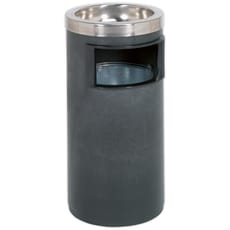
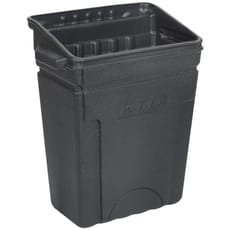
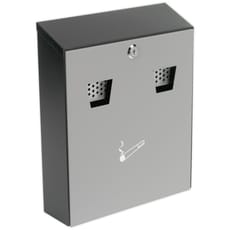
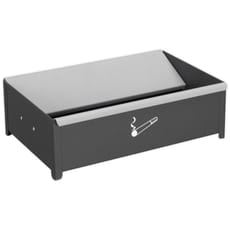
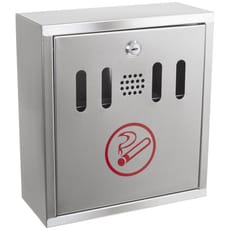
Tooled-Up stocks industry-leading brands including Sealey and Draper, offering bins in various materials including galvanised steel, stainless steel, polypropylene, and durable plastics. From wall-mounted cigarette bins that save valuable floor space to foot-pedal wheelie bins that promote hygiene through hands-free operation, each product is designed to withstand the demanding conditions of professional use. Specialist options include floor-standing ashtrays for outdoor areas, metal litter bins with integrated ashtrays for high-traffic zones, and custom waste bins designed to fit specific workshop trolleys and equipment such as the Sealey CX309 and CX310 series.
Fire safety is a critical consideration in any workplace, particularly where combustible materials or cigarette disposal is concerned. Many bins feature fire-resistant designs with self-extinguishing mechanisms, making them ideal for workshops, factories, and construction sites where welding, grinding, or other hot work takes place. Available in capacities ranging from compact wall-mounted units to large wheelie bins exceeding 100 litres, the selection ensures you can find the perfect waste management solution for any professional setting.
Jargon Buster
- Galvanised Steel: Steel coated with a protective layer of zinc to prevent rust and corrosion, making bins suitable for outdoor use and harsh workshop environments where they'll be exposed to moisture, chemicals, and heavy use.
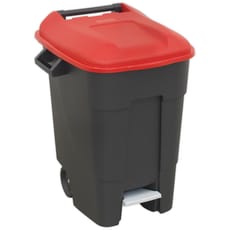
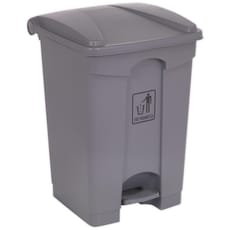
- Foot Pedal/Pedal Bin: A bin featuring a foot-operated mechanism that opens the lid hands-free, promoting better hygiene by preventing cross-contamination and allowing tradespeople to dispose of waste whilst holding tools or materials.
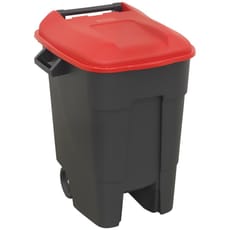
- Wheelie Bin: A mobile waste container mounted on wheels (castors) with a hinged lid, typically in larger capacities (85+ litres), designed for easy movement and positioning around workshops, construction sites, or commercial premises.
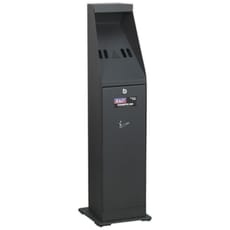
- Self-Extinguishing Design: A safety feature in cigarette bins that automatically smothers cigarettes when dropped inside, reducing fire risk in workshops and industrial environments where flammable materials, wood dust, or combustible waste may be present.
- Polypropylene (PP): A durable, chemical-resistant plastic material commonly used in industrial bins, offering excellent impact resistance, easy cleaning, and resistance to most solvents, oils, and workshop chemicals.
- Integrated Ashtray: A litter bin featuring a built-in cigarette disposal section, combining general waste and smoking waste management in one unit, ideal for entrances, break areas, and outdoor work zones.
Who Uses Bins?
Professional bins are essential equipment across numerous trades and industries:
- Workshop Owners and Managers: Automotive garages, fabrication shops, and engineering workshops requiring robust waste management solutions
- Construction Site Managers: Site foremen and contractors managing waste on building sites, renovation projects, and new builds
- Facilities Managers: Those responsible for maintaining warehouses, factories, industrial units, and distribution centres
- Manufacturing Facilities: Production environments requiring organised disposal of offcuts, packaging, swarf, and production waste
- Commercial Property Managers: Managing waste in retail units, office complexes, business parks, and shopping centres
- Welders and Fabricators: Specialists requiring fire-resistant waste solutions near hot work areas and metal cutting operations
- Maintenance Engineers: Site maintenance teams managing cleaning and waste disposal across multiple locations
- Warehouse Operatives: Logistics and storage facilities requiring efficient waste management systems for packaging and materials
- Hospitality Venues: Pubs, restaurants, hotels, and catering facilities needing compliant cigarette disposal solutions
- Plant Hire Companies: Equipment rental firms providing waste management solutions for temporary site installations
How to Choose the Right Bins
Capacity and Size: Consider your workspace size and daily waste volume. Compact wall-mounted bins suit smaller workshops with limited floor space, whilst large wheelie bins (85-100+ litres) are essential for busy sites or manufacturing environments generating substantial daily waste. A typical single-person workshop might manage with a 50-litre bin, whereas production facilities often require multiple large-capacity units.
Material Construction: Galvanised steel offers maximum durability and weather resistance for outdoor use, making it ideal for construction sites and external installations. Stainless steel provides a professional appearance with excellent corrosion resistance, perfect for client-facing areas or food preparation environments. Polypropylene bins offer chemical resistance and easy cleaning for workshops handling oils, solvents, and automotive fluids.
Mounting Options: Wall-mounted bins save valuable floor space in compact workshops and can be positioned at convenient heights near workbenches or entry points. Free-standing and wheelie bins offer flexibility for repositioning around changing work areas. Consider traffic flow, accessibility, and whether you need mobility when choosing between fixed and mobile options.
Fire Safety Requirements: For workshops involving welding, grinding, plasma cutting, or hot work, choose bins with self-extinguishing cigarette disposal features and fire-resistant construction. Metal bins are preferable to plastic in high-risk environments where sparks, hot swarf, or combustible materials are present. Look for powder-coated finishes that resist heat damage.
Hygiene Features: Foot-pedal operated bins eliminate the need to touch lids, crucial in workshops where hands may be contaminated with oils, paints, chemicals, or materials. This promotes better workplace hygiene, helps maintain HSE compliance, and reduces the spread of contaminants across tools and equipment.
Specialist Requirements: If you use specific workshop trolleys or mobile workstations, check for compatible waste bins designed to integrate with your existing setup. Sealey offers purpose-built bins for their CX309 and CX310 workshop trolley series, providing seamless integration with mobile storage systems.
Popular Accessories
- Bin Liners and Refuse Sacks: Heavy-duty waste bags in various capacities (50L, 85L, 100L+) to suit different bin sizes
- Replacement Pedals: Spare foot pedal mechanisms for maintaining hands-free operation on pedal bins
- Warning Labels and Signage: Safety stickers identifying waste types, fire hazards, and recycling streams
- Workshop Trolleys: Mobile workstations from Sealey with integrated bin storage solutions
- Floor Marking Tape: For designating waste disposal zones and keeping aisles clear in larger workshops
- Cleaning Supplies: Industrial cleaners, disinfectants, and deodorizers for maintaining hygiene standards
- Lockable Lids: Security accessories for bins in public-facing, outdoor, or unsecured locations
- Recycling Labels: Colour-coded identification for segregating waste streams and meeting environmental obligations
- Replacement Keys: Spare keys for lockable cigarette bins and secure waste containers
Safety Information
Proper waste disposal is a critical aspect of workplace safety and HSE compliance. Ensure cigarette bins are positioned at safe distances from flammable materials, gas cylinders, fuel storage areas, and oxygen supplies. Self-extinguishing bins should be regularly inspected to ensure the smothering mechanism functions correctly, preventing potential fire hazards in workshop environments where combustible waste accumulates.
When handling bins containing metal swarf, broken glass, sharp offcuts, or contaminated materials, always use appropriate PPE including heavy-duty gloves and safety footwear. Ensure wheelie bins are positioned on level ground to prevent tipping, and never overfill bins beyond their stated capacity as this creates manual handling risks, compromises lid closure, and can allow waste to spill during movement.
In workshops where COSHH-regulated materials are present, segregate contaminated waste appropriately and ensure bins used for chemical-soaked materials are clearly labelled and comply with local authority requirements. Regular emptying schedules prevent accumulation of combustible waste, particularly important in hot work environments where sparks, grinding debris, or heat could ignite bin contents. Metal bins should be earthed if used for disposing of materials that could generate static electricity.
Frequently Asked Questions
What's the difference between galvanised and stainless steel bins?
Galvanised steel bins feature a zinc coating that provides excellent corrosion resistance at a more economical price point, ideal for general workshop and outdoor construction site use. Stainless steel offers superior corrosion resistance, a more attractive finish, and easier cleaning, making it preferable for food preparation areas, client-facing environments, or where the highest hygiene standards are required. Galvanised steel typically shows a characteristic spangled finish, whilst stainless steel maintains a polished, professional appearance.
Can I use these bins outdoors on construction sites?
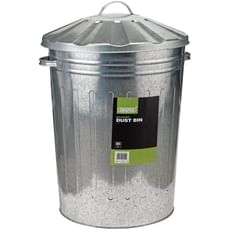
Yes, galvanised steel bins like the Draper 85-litre dust bin and heavy-duty polypropylene bins are specifically designed for outdoor use, resisting weather, UV exposure, and temperature variations. Wheelie bins with robust castors are particularly suited to uneven site terrain, whilst wall-mounted cigarette bins can be fixed to temporary site buildings, portacabins, and containers. Look for powder-coated finishes on metal bins for additional weather protection.
Are cigarette bins really necessary for workshop environments?
Absolutely. Designated cigarette disposal bins with self-extinguishing features significantly reduce fire risk, particularly in workshops with combustible materials, wood dust, flammable liquids, or materials stored nearby. They also help maintain HSE compliance, prevent cigarette-related waste contaminating general refuse, and demonstrate responsible safety management during workplace inspections. Many insurance policies for workshops require designated smoking waste disposal.
What capacity bin do I need for a typical workshop?
For small to medium workshops (1-5 people), a 50-80 litre bin usually suffices for daily general waste, with weekly collections. Larger workshops or production environments typically require 100+ litre wheelie bins, often with multiple units for segregating different waste streams such as metal swarf, packaging, and general waste. Consider your collection frequency—less frequent collections require larger capacity bins to prevent overfilling.
How do foot-pedal bins improve workshop hygiene?
Foot-pedal mechanisms allow hands-free operation, preventing cross-contamination when hands are dirty from oils, cutting fluids, paints, solvents, or materials. This is particularly important in workshops where tradespeople move between handling contaminated items and touching tools, equipment, or clean materials. It helps maintain cleaner working conditions, reduces the spread of workplace contaminants, and means you don't need to put down tools or materials to dispose of waste.