

Blankets & Curtains
Pay in 3 interest-free payments on purchases from £30-2000 with  . Learn more.
 Loading...
End of content
Error - No more pages to load
About Blankets & Curtains
Welding blankets and curtains are indispensable safety products designed to protect personnel, equipment, and work areas from the hazards associated with welding, grinding, cutting, and other hot work operations. These specialised fire-resistant barriers shield against flying sparks, molten metal spatter, and intense ultraviolet radiation that can cause serious injuries or ignite flammable materials in the surrounding environment. Constructed from heavy-duty materials including fibreglass and neoprene-coated glass fibre, these protective products are essential for workshops, construction sites, fabrication facilities, and industrial environments throughout the UK.
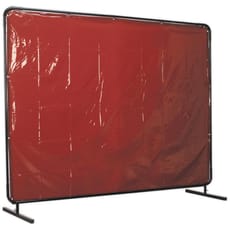
The range available at Tooled-Up.com includes portable welding blankets that can be draped over surfaces, machinery, or vehicles, as well as complete curtain and frame systems that establish dedicated welding bays within larger workshops. These products comply with stringent British Standards including BS 476 and UK Building Regulations Class 0, ensuring adherence to HSE requirements for hot work operations. Whether you're a professional welder working across multiple sites, a fabrication shop owner organising safe working zones, or a DIY enthusiast tackling occasional welding projects in a home workshop, proper welding protection equipment is non-negotiable for safe hot work practices.
Premium welding blankets offer exceptional thermal insulation and spark resistance, with quality fibreglass products capable of withstanding temperatures exceeding 550°C without degradation. The glass fibre construction used in professional-grade welding blankets provides superior durability and longevity compared to standard flame-retardant fabrics, making them a worthwhile investment for regular welding applications. Complementing portable blankets, welding curtain and frame systems allow workshops to section off specific areas permanently or semi-permanently, protecting both workers and valuable equipment from welding hazards whilst maintaining adequate visibility and ventilation within the workspace.
Jargon Buster
- Fibreglass Welding Blanket: A fire-resistant protective covering manufactured from woven fibreglass strands, designed to withstand extreme temperatures and provide superior spark and spatter protection compared to standard treated fabrics. Often features neoprene coating for enhanced durability.
- Spark Proof: Materials that have been tested and certified to resist ignition from sparks, molten metal spatter, and hot work debris. Spark proof welding blankets prevent secondary fires and protect surrounding equipment, materials, and work surfaces.
- Welding Curtain: A suspended vertical barrier made from flame-retardant material that creates a protective screen around welding operations. These curtains block UV radiation, contain sparks, and prevent arc eye injuries to nearby workers and bystanders.
- BS 476: The British Standard specifying test methods for fire performance of building materials and structures. Welding blankets tested to BS 476 Part 1, Part 7, and Part 20 meet rigorous UK fire safety requirements.
- Temperature Rating: The maximum continuous or intermittent temperature that a welding blanket can withstand without degrading its protective properties, typically ranging from 550°C to over 1000°C for specialist high-temperature applications.
- UK Building Regulations Class 0: The highest classification for surface spread of flame in UK building regulations, indicating that a material meets the most stringent fire safety standards for use in construction and industrial environments.
Who Uses Blankets & Curtains?
- Professional Welders and Fabricators: Using welding blankets daily to protect workpieces, fixtures, jigs, and surrounding equipment from spark damage in fabrication shops and on-site installations across various industries.
- Maintenance Engineers: Requiring portable welding blankets for repair work in industrial facilities where production machinery, control panels, and sensitive equipment must be protected during hot work operations.
- Construction Site Workers: Employing welding curtains and blankets to create compliant hot work zones whilst maintaining adherence to site safety regulations, CDM requirements, and construction health and safety protocols.
- Agricultural and Farm Mechanics: Using welding blankets to protect tractors, combines, and other valuable agricultural equipment when making field repairs involving welding, cutting, or grinding operations.
- Automotive Workshops and Body Shops: Protecting vehicles, workshop contents, and adjacent work areas from welding spatter during repair work, modifications, restoration projects, and fabrication tasks.
- Manufacturing and Production Facilities: Installing permanent welding curtain systems to create designated welding bays that safely contain hazards whilst allowing efficient workflow and regulatory compliance.
- Marine and Shipyard Workers: Using heavy-duty welding blankets in confined spaces, on vessel decks, and in dry dock environments where fire risk must be carefully controlled and managed.
- DIY Enthusiasts and Home Hobbyists: Protecting home garage floors, walls, stored equipment, and vehicles when undertaking occasional welding projects safely in residential workshop environments.
How to Choose the Right Blankets & Curtains
Material Construction: Fibreglass welding blankets with neoprene coating offer superior heat resistance and durability compared to treated fabric alternatives. For regular professional use, invest in quality glass fibre products that can withstand repeated exposure to high temperatures and aggressive spark showers. Standard flame-retardant fabrics may suffice for occasional light-duty applications but won't provide the same longevity or temperature resistance.
Size and Coverage: Consider the scale of your typical welding projects and the areas requiring protection. Welding blankets are available in various dimensions, from compact 1m × 1m options for focused component protection to larger 1.8m × 2m blankets for comprehensive coverage of vehicles, machinery, or work surfaces. For workshop installations, accurately measure the area you need to section off when selecting curtain and frame systems to ensure adequate coverage.
British Standards Compliance: Ensure products meet relevant British Standards for fire resistance and heat protection. The Tooled-Up range includes blankets tested to BS 476 Part 1, Part 7, Part 20 and UK Building Regulations Class 0, providing assurance of quality and compliance with HSE regulations and site-specific safety requirements.
Portability Requirements: If you work across multiple sites or need to move protection around a workshop frequently, prioritise lightweight blankets with reinforced edges and brass eyelets for easy positioning and securing. For fixed installations, welding curtain and frame systems provide more permanent protection with the flexibility to create dedicated work zones that can be adjusted as workshop layouts change.
Temperature Rating and Application: Match the blanket's temperature rating to your specific welding processes. MIG and TIG welding typically require blankets rated to at least 550°C, whilst plasma cutting and more intensive operations may need higher ratings. Always verify manufacturer specifications against your particular applications to ensure adequate protection.
Edge Finishing and Durability: Quality welding blankets feature hemmed or bound edges that prevent fraying and extend product life significantly. Brass eyelets or reinforced hanging points are essential for curtain installations and for securing blankets in position during use, preventing dangerous gaps where sparks could penetrate.
Popular Accessories
- Welding Screens and Partitions: Portable screens that complement blankets and curtains, creating additional visual barriers and UV protection for multi-operator workshops and shared workspaces.
- Heat-Resistant Gloves: Essential PPE for positioning and adjusting hot welding blankets safely during and immediately after welding operations without risk of burns.
- Magnetic Blanket Holders: Convenient accessories that secure welding blankets to steel surfaces without requiring eyelets or fixings, ideal for automotive and fabrication work where repositioning is frequent.
- Fire Extinguishers: Mandatory safety equipment that should always be readily accessible when undertaking hot work, even with proper blanket protection in place throughout operations.
- Welding Helmets and Eye Protection: Complementary PPE that works alongside blankets and curtains to provide comprehensive protection from welding hazards including arc flash and UV radiation.
- Non-Combustible Matting: Floor protection that works in conjunction with welding blankets to create a fully protected hot work zone, preventing floor damage and reducing fire risk.
- Cable Management Systems: Organisers that keep welding leads clear of protected areas and prevent damage to blankets and curtains from cable contact or movement.
Safety Information
Welding blankets and curtains are critical safety equipment, but they must be used correctly to provide effective protection. Always inspect blankets and curtains before each use for signs of damage, burns, holes, or degradation that could compromise their protective properties. Replace any products showing significant wear, reduced fire resistance, or structural damage immediately—never continue using compromised protection equipment.
When positioning welding blankets, ensure complete coverage of all vulnerable surfaces and equipment within the spark and spatter zone, typically considered to extend up to 10 metres from the welding operation depending on process intensity. Secure blankets properly using eyelets, magnetic holders, or weights to prevent gaps where sparks could penetrate, and never leave edges or corners unsecured where they might be dislodged during work.
Welding curtains should be installed with adequate overlap between panels and mounted on appropriate frames that maintain stability during use. Ensure curtain installations don't restrict emergency egress routes or impede ventilation systems required for fume extraction and air quality. All welding protection equipment should be used in accordance with your risk assessment and hot work permit procedures as required by HSE regulations and site-specific safety protocols.
Remember that welding blankets and curtains protect against sparks, spatter, and radiant heat, but they don't eliminate all fire risks in the work environment. Always clear the work area of flammable materials, combustible liquids, and ignition sources before commencing hot work. Conduct post-work fire watches as required by your risk assessment, and maintain appropriate fire extinguishing equipment within easy reach. Never use damaged, inappropriate, or makeshift materials as welding protection, as this creates significant fire and injury risks to yourself and others.
Frequently Asked Questions
What's the difference between a welding blanket and a welding curtain?
Welding blankets are flexible, portable covers designed to be draped over equipment, surfaces, or materials to protect them from sparks, spatter, and heat damage. They're ideal for temporary protection and can be repositioned easily between different work areas or jobs. Welding curtains, by contrast, are vertical barriers typically suspended from frames or ceiling tracks to create semi-permanent welding bays or protective screens. Curtains primarily protect people from arc flash and harmful UV radiation, whilst blankets focus on protecting physical objects and surfaces from spark damage and thermal exposure. Many professional workshops use both products together for comprehensive protection that addresses all welding hazards.
Can welding blankets be washed or cleaned?
Most fibreglass and neoprene-coated welding blankets should not be machine washed, as this can damage the protective fibres and significantly reduce their fire-resistant properties. Instead, allow blankets to cool completely after use, then brush off loose debris, spatter, and slag deposits with a stiff brush. Stubborn deposits can often be carefully scraped away using a blunt tool without damaging the underlying material. Some treated fabric welding curtains may be suitable for gentle cleaning according to manufacturer instructions, but always check the specific care guidance before attempting to clean any welding protection equipment. Regular inspection for damage is more important than cleaning—replace blankets when they become significantly contaminated, stiff, or compromised.
How do I know what size welding blanket I need?
The required size depends on the area you need to protect and the intensity of your welding operations. As a general guide, ensure your blanket extends at least 300-500mm beyond the immediate work area in all directions where sparks might travel or bounce. For protecting vehicles or large equipment, measure the coverage area carefully and select a blanket that provides complete protection with some overlap for security. Many professional welders keep multiple sizes available: smaller blankets (around 1m × 1m) for focused protection of specific components or tight spaces, and larger blankets (1.8m × 2m or bigger) for comprehensive coverage during intensive work or when protecting larger surfaces.
Are these welding blankets suitable for plasma cutting?
Quality fibreglass welding blankets tested to BS 476 standards are generally suitable for plasma cutting applications, provided they have an appropriate temperature rating and are in good condition. Plasma cutting produces more intense heat and a greater volume of sparks than typical MIG or TIG welding, so ensure your blanket is rated to withstand temperatures of at least 550°C, with higher ratings preferable for frequent or intensive plasma work. Position blankets to account for the increased spark shower radius associated with plasma cutting operations, and inspect them more frequently as the more aggressive cutting process may cause faster degradation of the protective material.
Do I need welding curtains if I already use a welding blanket?
Welding blankets and curtains serve different but complementary safety purposes in the workshop. Blankets protect physical objects, surfaces, and equipment from spark damage and heat exposure, whilst curtains primarily protect people from harmful UV radiation, arc flash, and direct exposure to welding arc light. If you work alone in a dedicated, enclosed space with no risk of others being exposed to welding arc radiation, blankets alone may suffice for protecting your equipment and surroundings. However, in shared workshops, open fabrication areas, or any environment where others might be present or pass by, welding curtains or screens are essential to prevent arc eye injuries to bystanders and comply with HSE guidance on workplace protection.