

Block Planes

Pay in 3 interest-free payments on purchases from £20-£3000 with  . Learn more.
 Loading...
End of content
Error - No more pages to load
About Block Planes
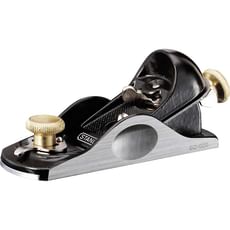
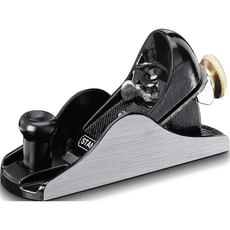
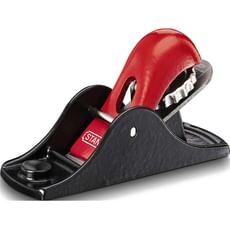
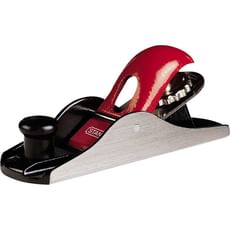
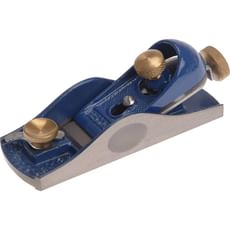
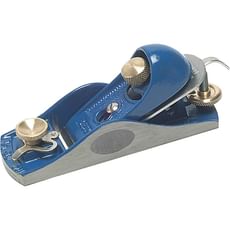
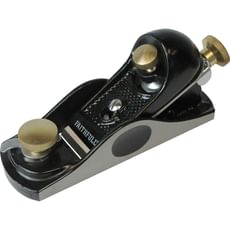
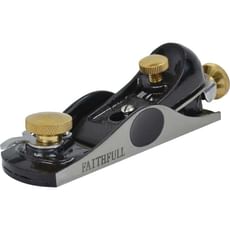
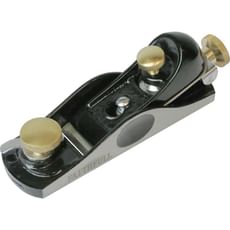
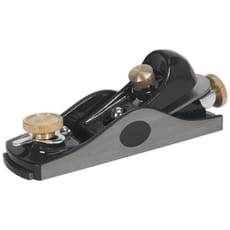
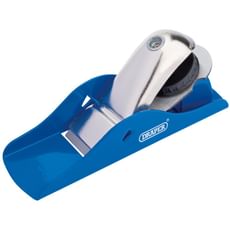
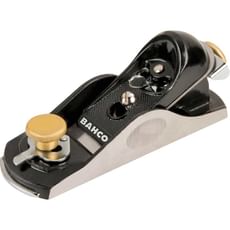
Block planes are compact, single-handed woodworking tools designed for precision work on smaller workpieces, end grain planing, and fine trimming tasks. Unlike their larger bench plane counterparts, block planes feature a bevel-up blade configuration and a lower cutting angle, making them exceptionally effective for chamfering edges, trimming joints, fitting doors, and achieving perfect mitres. Their portable size and one-handed operation make them indispensable for both site work and workshop applications, allowing tradespeople to tackle detailed finishing tasks with remarkable control and accuracy.
The selection at Tooled-Up.com features established manufacturers including Stanley, Record, Faithfull, Bahco, Draper, and Sealey, offering models that range from economical pressed steel designs to premium cast iron constructions. Whether you're a professional carpenter requiring a reliable tool for daily site installations or a DIY enthusiast building bespoke furniture projects, block planes deliver unmatched versatility for fine woodworking tasks. Most models measure between 150-180mm in length with cutter widths typically around 40mm, providing the ideal balance between manoeuvrability and cutting capacity.
Modern block planes incorporate adjustable features such as variable blade depth settings and adjustable mouth openings, allowing users to customise performance for different timber species and grain orientations. From standard angle designs suited to general carpentry work to low-angle variants optimised for challenging end grain and hardwood applications, these hand tools remain essential equipment for anyone demanding precision finishing results without the noise, dust, or power requirements of mechanical alternatives.
Jargon Buster
- Blade Angle: The angle at which the cutting iron is bedded within the plane body. Standard block planes typically feature a 20-degree bed angle, whilst low-angle models use 12 degrees, providing superior performance when working end grain and difficult hardwoods.
- Mouth Opening: The adjustable gap in front of the blade through which shavings exit. A tighter mouth setting provides greater support to wood fibres directly ahead of the cutting edge, significantly reducing tear-out on figured or delicate timber species.
- End Grain: The exposed cross-section of wood fibres visible when timber is cut perpendicular to the grain direction. This challenging orientation requires the specialised cutting geometry that block planes are specifically designed to handle efficiently.
- Sole (Base): The flat bottom surface of the plane that rides along the workpiece during operation. A perfectly flat, smooth sole is essential for achieving accurate, consistent results across the entire cutting stroke.
- Blade Depth Adjustment: The mechanism controlling blade protrusion from the sole, determining shaving thickness. Fine adjustment mechanisms allow ultra-thin finishing cuts or slightly heavier stock removal as required.
- Chamfer: A bevelled edge created by removing material at an angle along a corner or edge. Block planes excel at creating consistent, clean chamfers quickly and accurately on both softwoods and hardwoods.
Who Uses Block Planes?
- Carpenters and Joiners: For fitting doors, trimming architraves, adjusting window frames, and fine-tuning joinery work both on site and in workshop environments
- Cabinet Makers: Essential for flush-trimming drawer fronts, fitting cabinet doors, chamfering visible edges, and achieving precise tolerances on bespoke furniture pieces
- Shopfitters: Ideal for on-site adjustments ensuring perfect fits during commercial installations where accuracy is paramount
- Furniture Restorers: Perfect for sympathetic repairs, matching existing profiles, and working on period pieces where power tools would be inappropriate
- Luthiers and Instrument Makers: Used for shaping and fine-tuning wooden components requiring exceptional precision and delicate material removal
- Site Carpenters: Invaluable portable tools for door hanging, skirting adjustments, and numerous fitting tasks encountered during construction projects
- DIY Enthusiasts: Excellent for home improvement projects, building garden furniture, and any woodworking application requiring accurate hand-tool finishing
- Boat Builders: Useful for fitting and shaping wooden components in marine carpentry where traditional hand-tool techniques remain preferred
How to Choose the Right Block Planes
Body Construction: Cast iron bodies provide superior flatness, stability, and durability compared with pressed steel alternatives, making them worthwhile investments for professional tradespeople. However, pressed steel models from manufacturers like Faithfull and Sealey offer excellent value for occasional users and represent a cost-effective entry point into quality hand tools.
Blade Angle Configuration: Standard angle block planes (approximately 20 degrees) suit general carpentry, chamfering, and trimming tasks admirably. Low-angle variants (12-degree bed angle) excel when working end grain, planing hardwoods, or tackling difficult grain patterns, justifying their additional cost for specialists frequently encountering these challenging conditions.
Adjustment Features: Models featuring fine blade depth adjustment mechanisms and adjustable mouth openings deliver significantly enhanced versatility. These features allow rapid adaptation between ultra-fine finishing cuts and slightly heavier stock removal without time-consuming blade removal and manual adjustment.
Size and Weight Considerations: Standard block planes measure 150-180mm in length. Lighter models suit overhead work, extended site use, and situations requiring portability, whilst heavier cast iron versions provide better momentum and stability for bench-based applications where weight isn't a primary concern.
Brand Reputation: Tooled-Up stocks proven manufacturers including Stanley, Record, and Bahco, whose block planes offer reliable performance and spare parts availability. Brands like Draper and Sealey provide budget-friendly options without compromising essential functionality for less demanding applications.
Popular Accessories
- Replacement Blades: High-carbon steel or premium A2 tool steel replacement irons offering improved edge retention and cutting performance over standard blades
- Honing Guides: Essential jigs for maintaining correct bevel angles when sharpening plane irons, ensuring consistent geometry and optimal cutting performance
- Sharpening Stones: Diamond stones, Japanese waterstones, or traditional oilstones for keeping blades razor-sharp between professional sharpening services
- Tool Rolls and Cases: Protective storage solutions preventing damage to precision-ground soles and cutting edges during transport between workshop and site
- Bench Hooks: Simple jigs providing stable work-holding for end grain planing and cross-grain cutting operations
- Marking and Measuring Tools: Combination squares, marking gauges, and scribers from Stanley and Bahco for accurate layout work before planing
- Woodworking Vices: Secure work-holding solutions enabling safe, accurate planing operations on bench-mounted workpieces
- Strops and Polishing Compounds: For maintaining and polishing cutting edges to mirror finishes, extending intervals between full sharpenings
Safety Information
Whilst block planes are relatively safe hand tools compared with powered alternatives, proper handling ensures accident-free operation and optimal results:
- Always plane away from your body to prevent injury should the tool slip or the workpiece move unexpectedly during operation
- Ensure workpieces are securely clamped in a vice or held against a bench hook before commencing planing to prevent dangerous movement
- Maintain sharp blades—dull cutting edges require excessive pressure and are more likely to skip, catch, or slip dangerously across work surfaces
- Store block planes with blades fully retracted or rest them on their side to protect cutting edges and prevent accidental contact with hands
- Wear appropriate eye protection, particularly when working hardwoods or reclaimed timber that may contain embedded debris or splinters
- Thoroughly inspect timber for nails, screws, or other metal fixings before planing to avoid blade damage and potential injury from sudden tool deflection
- Maintain comfortable, balanced posture whilst planing to ensure control and reduce fatigue during extended finishing sessions
- Keep work areas well-lit and free from tripping hazards, particularly when working on site where conditions may be less controlled than workshop environments
Frequently Asked Questions
What's the primary difference between block planes and bench planes?
Block planes are compact, single-handed tools with bevel-up blade configurations typically bedded at 12-20 degrees, specifically designed for end grain work, fine trimming, and one-handed operation. Bench planes are larger, two-handed tools with bevel-down blades, designed primarily for flattening and smoothing larger surfaces along the grain direction. Block planes excel at portability and precision finishing tasks where bench planes would prove too cumbersome.
How frequently should I sharpen my block plane blade?
Sharpening frequency depends upon usage intensity and timber types encountered, but generally sharpen when the plane requires noticeably increased pressure or begins tearing fibres rather than cleanly severing them. Professional tradespeople working daily might sharpen weekly, whilst occasional DIY users may only require sharpening every few months. Regular stropping between full sharpenings significantly extends blade performance.
Can block planes be used on MDF and manufactured boards?
Yes, but exercise caution as MDF, chipboard, and plywood are highly abrasive, dulling blades considerably faster than natural timber. Take lighter cuts and anticipate more frequent sharpening requirements. Plywood's glue lines particularly accelerate edge deterioration. For extensive manufactured board work, consider dedicating a separate, less expensive blade rather than prematurely wearing premium cutting irons.
Should I choose a low-angle or standard angle block plane?
For general carpentry, door hanging, chamfering, and typical site work, standard angle block planes (approximately 20 degrees) provide perfectly adequate performance at lower cost. However, if you frequently plane end grain, work challenging hardwoods, or encounter difficult grain patterns regularly, low-angle block planes (12-degree bed angle) deliver markedly superior performance justifying their additional investment.
Why isn't my block plane cutting smoothly?
Common causes include blunt blades requiring sharpening or replacement, incorrect blade depth settings (adjust for finer cuts), blade misalignment (ensure the cutting edge sits parallel to the sole), or shaving accumulation clogging the mouth opening. Additionally, verify the sole remains flat and the blade seats properly without play in adjustment mechanisms, as these issues significantly compromise cutting performance.