

Blow Torch Gas Canisters

Pay in 3 interest-free payments on purchases from £20-£3000 with  . Learn more.
 Loading...
End of content
Error - No more pages to load
About Blow Torch Gas Canisters
Blow torch gas canisters are pressurised fuel containers that power handheld torches used across numerous trades and DIY applications. These essential consumables supply the gas required to generate intense, controlled flames for tasks ranging from soldering copper pipes and brazing metalwork to stripping paint, caramelising food, and heat-shrinking materials. Available in various gas compositions including butane, propane, MAPP gas, and mixed blends, each canister type offers different flame temperatures and performance characteristics suited to specific applications and working conditions.
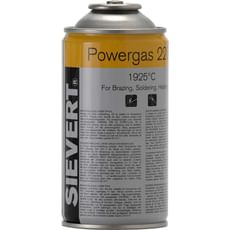
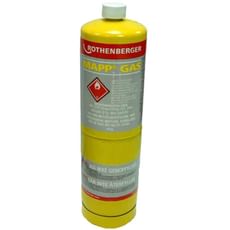
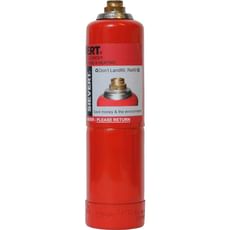
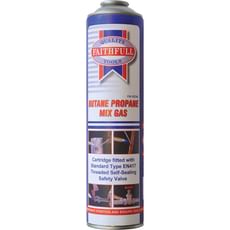
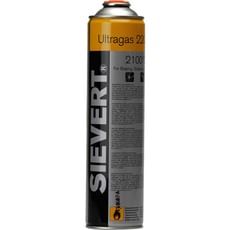
The category encompasses disposable cartridges with threaded EN417 connections, self-sealing resealable canisters that prevent gas waste between uses, and larger refillable cylinders designed for professional tradespeople requiring extended burn times. Tooled-Up.com stocks canisters from leading manufacturers including Rothenberger, Sievert, Monument, Primus, and Faithfull—brands engineered to meet stringent UK and European safety standards (BS EN 417), ensuring reliable performance and safe operation across demanding work environments.
Whether you're a plumber carrying out pipe work on site, a roofer applying heat to bitumen felt seams, or a DIY enthusiast tackling home improvements, choosing the appropriate gas canister ensures optimal flame temperature, burn time, and cost-effectiveness for your specific requirements. Understanding the differences between gas types, canister formats, and connection standards is essential for safe, efficient torch operation throughout the year.
Jargon Buster
- Butane: A hydrocarbon gas that performs well in moderate temperatures but can struggle below 5°C. Commonly used for light soldering, culinary applications, and general heating tasks where lower flame temperatures are acceptable.
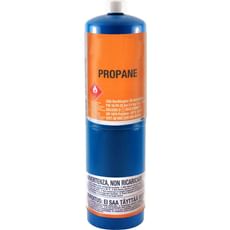
- Propane: A gas with excellent cold-weather performance, functioning reliably in sub-zero conditions. Produces a hotter flame than butane, making it ideal for outdoor site work and demanding heating applications during winter months.
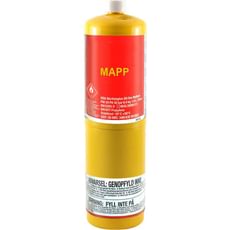
- MAPP Gas (Methylacetylene-Propadiene Propane): A premium fuel gas producing significantly higher flame temperatures than butane or propane (up to 2,020°C). Particularly valued by plumbers for faster pipe soldering and by professionals requiring maximum heat output to reduce job times.
- Self-Sealing Cartridge: A canister design featuring an automatic valve that seals when disconnected from the torch, allowing safe removal and storage between uses without wasting gas. Essential for mobile tradespeople moving between job sites.
- EN417 Threaded Connection: The standardised European screw fitting that secures the canister to compatible torch heads, ensuring a safe, leak-free connection. Most modern torches accept this universal thread size.
- Burn Time: The duration a canister will supply gas under continuous use, varying based on gas type, canister capacity (measured in grams), torch valve setting, and ambient temperature conditions.
Who Uses Blow Torch Gas Canisters?
- Plumbers and heating engineers – soldering copper pipes, brazing joints, and heat-working pipework installations
- Roofers – applying heat to bitumen, felt seams, and weatherproofing materials
- Decorators and paint strippers – removing old paint layers, softening varnish, and preparing surfaces for redecorating
- Automotive mechanics – loosening seized bolts, removing decals, and heat-shrinking tubing on wiring looms
- Jewellers and metalworkers – soldering precious metals and detailed metalwork requiring precision heat control
- Electricians – heat-shrinking cable joints and applying solder to electrical connections
- Chefs and caterers – caramelising sugar, finishing crème brûlée, and browning meringues
- DIY enthusiasts – tackling home improvement projects requiring controlled heat application
- Maintenance engineers – general site repairs, releasing corroded fixings, and equipment maintenance
- Model makers and hobbyists – precision soldering and heat-forming materials
How to Choose the Right Blow Torch Gas Canisters
Gas Type and Temperature Requirements: Consider the flame temperature needed for your application. Butane suits lighter tasks like culinary use and basic soldering, whilst propane offers better cold-weather performance and higher temperatures for outdoor site work. MAPP gas provides the hottest flame for professional plumbing and demanding metalwork, significantly reducing job times when soldering larger diameter copper pipes.
Compatibility with Your Torch: Always verify that replacement canisters match your torch's connection type and are approved for use with your specific model. Most modern torches at Tooled-Up use standardised EN417 threaded connections, but checking manufacturer recommendations prevents compatibility issues and ensures safe operation. Some older models may require CGA600 fittings or adaptors.
Canister Capacity and Portability: Smaller cartridges (typically 170-230g) offer excellent portability for mobile tradespeople and occasional users, whilst larger cylinders (450g and above) provide better value per gram of gas for frequent users and stationary workshop applications. Consider your typical usage patterns and whether you prioritise convenience or running costs.
Working Environment: For outdoor winter work or cold environments, propane-based gases maintain consistent performance in sub-zero temperatures where butane may fail to vaporise. Mixed butane/propane blends offer a balanced compromise for year-round versatility across varying seasonal conditions.
Self-Sealing Features: Self-sealing canisters prevent gas waste between uses and enhance safety by automatically closing when disconnected. This feature proves particularly valuable for professionals who frequently move between job sites or need to transport torches safely in work vehicles without emptying entire cartridges.
Quality and Safety Standards: Choose canisters from reputable manufacturers like Rothenberger, Sievert, Monument, Primus, and Faithfull that comply with UK and European safety regulations. Quality canisters feature robust steel construction, reliable valves, and clear safety markings, reducing the risk of leaks or valve failures during operation.
Popular Accessories
- Blow torches and burner heads – handheld torches, pencil flame attachments, and adjustable burner assemblies compatible with your canisters
- Soldering equipment – solder wire, flux paste, and heat-resistant mats for pipe jointing work
- Heat shields and protective mats – flame-resistant surfaces to protect surrounding areas during torch work
- Spark lighters and ignition tools – piezo igniters for safe, reliable flame lighting without matches
- Gas regulators and adaptors – connection fittings including CGA600 converters for using different canister types with various torch models
- Carry cases and storage solutions – protective storage for safe transport of canisters and torches on site
- PPE and safety equipment – heat-resistant gloves, safety glasses, and fire extinguishers for safe torch operation
Safety Information
Gas canisters are pressurised containers requiring careful handling and storage to prevent accidents. Always store canisters upright in cool, well-ventilated areas away from ignition sources, direct sunlight, and heat sources. Never expose canisters to temperatures exceeding 50°C or store them in enclosed vehicles during hot weather, as excessive heat can cause dangerous pressure build-up leading to potential rupture.
When connecting or disconnecting canisters, ensure the torch valve is fully closed and allow adequate cooling time after use. Check connections for leaks using soapy water solution – never use a naked flame for leak detection. Only use canisters in well-ventilated spaces to prevent dangerous gas accumulation, and never modify, puncture, or attempt to refill disposable canisters, even when empty.
Comply with HSE guidance and COSHH regulations when using gas torches professionally. Dispose of empty canisters responsibly through appropriate recycling schemes – never incinerate or compress empty containers. Keep a suitable fire extinguisher nearby when operating blow torches, and ensure users receive proper training in safe torch operation and emergency procedures.
Always inspect canisters for damage, dents, rust, or corrosion before use, and immediately discontinue use if you detect gas odours, hissing sounds, or valve malfunctions. Follow manufacturer instructions carefully and never use damaged or out-of-date canisters. Store canisters away from occupied areas and ensure adequate ventilation in storage locations.
Frequently Asked Questions
What's the difference between butane, propane, and MAPP gas canisters?
Butane offers adequate performance for indoor use and moderate temperatures but struggles below 5°C, making it unsuitable for winter site work. Propane works reliably in cold conditions and produces hotter flames, making it better for outdoor applications. MAPP gas delivers the highest flame temperatures (approximately 2,020°C), significantly reducing soldering times for professional plumbers but at a premium price point compared to standard gases.
Can I use any gas canister with my blow torch?
No – always use canisters specifically recommended by your torch manufacturer. Whilst most modern torches accept standard EN417 threaded canisters, some models require proprietary fittings (such as CGA600 connections) or specific gas types. Using incompatible canisters risks poor performance, gas leaks, or dangerous malfunctions. Check your torch's user manual or manufacturer specifications before purchasing replacement canisters.
How long does a typical gas canister last?
Burn time varies considerably based on canister capacity, gas type, flame intensity setting, and ambient temperature. A standard 230g butane/propane cartridge typically provides 90-120 minutes of continuous use at moderate settings, whilst larger 450g cylinders may last 3-4 hours. High-output MAPP gas canisters burn faster but deliver greater heat, so actual duration depends heavily on your specific application and usage patterns.
Are self-sealing gas cartridges worth the extra cost?
For professional tradespeople and regular users, self-sealing cartridges offer excellent value despite higher initial costs. The automatic sealing valve eliminates gas waste between uses, allows safe mid-canister transport, and provides convenience when moving between jobs. Occasional users completing single projects may find standard disposable cartridges more economical, provided they can use the entire contents in one session.
How should I store gas canisters safely at home or on site?
Store canisters upright in cool, dry, well-ventilated locations away from ignition sources, direct sunlight, and heat-producing equipment. Avoid storage temperatures exceeding 50°C and never store canisters in occupied buildings overnight or in vehicle cabs during hot weather. Keep canisters secured to prevent falling or rolling, and store them separately from incompatible materials. Always ensure storage areas comply with HSE guidance and your insurance requirements for flammable gas storage.