

Board Lifters
Pay in 3 interest-free payments on purchases from £30-2000 with  . Learn more.
 Loading...
End of content
Error - No more pages to load
About Board Lifters
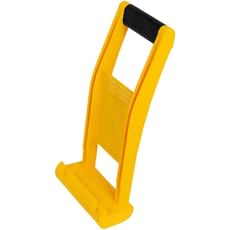
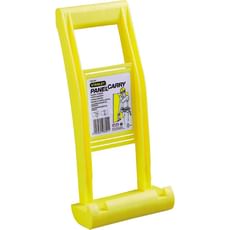
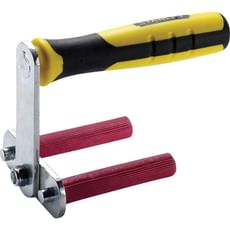
Board lifters are indispensable manual handling tools that enable tradespeople to safely transport, raise, and position heavy sheet materials single-handedly. Whether you're installing plasterboard on ceilings, carrying full sheets of MDF across a busy site, or positioning internal doors, these ingenious devices eliminate the need for a second pair of hands whilst dramatically reducing the risk of back strain and material damage. The range available at Tooled-Up.com includes panel carriers, drywall lifters, and specialist grippers designed for everything from standard 2400mm plasterboard sheets to decorative panels and internal doors.
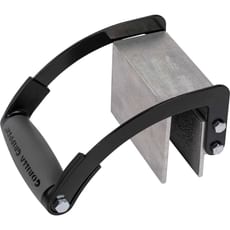
Panel carriers and grippers, such as the popular Roughneck Gorilla Gripper range, use mechanical advantage and ergonomic handle designs to allow one person to transport large sheets vertically through doorways and around obstacles. These typically feature rubberised or padded clamping surfaces that grip materials ranging from 10mm to 65mm thickness without causing edge damage. For ceiling work, dedicated drywall lifters incorporate wheeled bases, adjustable cradles, and leverage mechanisms that raise sheets from floor level to heights of 3 metres or more, holding them securely in position whilst you install fixings. Leading manufacturers including Bessey, Stanley, Marshalltown, Trend, and Draper have developed specialised designs with load capacities from 50kg to 75kg, accommodating everything from standard plasterboard to dense moisture-resistant variants.
Modern board lifters combine robust steel or aluminium construction with thoughtful features such as quick-release mechanisms, compact folding designs for van storage, and surface protection systems that prevent scratching on pre-finished materials. For professional plasterers, dry liners, carpenters, and builders, investing in quality board lifting equipment isn't merely about convenience—it's essential for maintaining HSE manual handling compliance, protecting your long-term health, and completing installations efficiently to professional standards.
Jargon Buster
- Panel Carrier: A portable gripping device with ergonomic handles that allows one person to carry large sheets vertically, distributing weight evenly across both hands. The Bessey KFP and Stanley carriers are typical examples, using spring-loaded or cam-action mechanisms to maintain secure grip during transportation.
- Drywall Lifter: A floor-standing tool featuring a wheeled base, adjustable cradle, and leverage system designed to raise plasterboard sheets from ground level to ceiling height. Models like the Marshalltown and Tyzack lifters hold boards overhead whilst you secure fixings, transforming what would normally be a two-person job into manageable solo work.
- Gorilla Gripper: A distinctive panel carrier design trademarked by Roughneck that uses a cambered clamping system activated by the sheet's own weight. This eliminates the need for continuous hand grip strength during transportation, reducing fatigue on sites requiring multiple sheet installations.
- Sheet Capacity: The maximum material thickness (typically 10-65mm) and weight (usually 50-75kg) a board lifter can safely handle. Standard 12.5mm plasterboard weighs approximately 22kg per 2400mm x 1200mm sheet, whilst moisture-resistant and fire-rated variants are considerably heavier.
- Cradle: The padded or rubberised support surface where sheet material rests during lifting and positioning. Quality cradles feature high-friction coatings that prevent slippage whilst protecting against surface damage—particularly important when handling pre-finished doors or decorative panels.
- Load-Bearing Capacity: The manufacturer's specified maximum safe working load, expressed in kilograms. The Bessey KFP offers 75kg capacity, whilst other models range from 50-68kg depending on construction and intended application.
Who Uses Board Lifters?
Board lifters are essential equipment for numerous construction professionals and serious DIY enthusiasts:
- Plasterers and Dry Liners: Tradespeople who install plasterboard on walls and ceilings as their core daily activity, requiring reliable lifting equipment for productivity and injury prevention
- Carpenters and Joiners: Chippies working with large sheet materials including plywood, MDF, chipboard, and OSB, plus regular door installations
- General Builders: Multi-trade contractors handling various construction and renovation projects involving sheet materials
- Shop Fitters: Specialists creating commercial interiors who frequently construct partition walls and display units from sheet materials
- Property Maintenance Teams: Council workers and housing association contractors carrying out repairs and refurbishments in occupied properties
- Decorators: Painting professionals who may need to replace damaged plasterboard sections before redecoration
- Self-Builders and Serious DIYers: Homeowners undertaking substantial projects including loft conversions, extensions, and whole-house renovations
- Facilities Managers: Those responsible for maintaining commercial and institutional buildings requiring periodic repairs and alterations
How to Choose the Right Board Lifters
Application Type: Determine whether you primarily need to transport sheets horizontally across sites (panel carriers like the Roughneck Gorilla Gripper or Stanley carriers) or lift them vertically into position (drywall lifters such as the Marshalltown or Draper models). Professional plasterers often benefit from having both types in their toolkit.
Material Dimensions and Weight: Standard UK plasterboard measures 2400mm x 1200mm, though smaller sizes are common. Verify your chosen lifter accommodates the dimensions and weight you'll regularly handle. The Bessey KFP handles up to 75kg and 65mm thickness, making it suitable for dense materials, whilst lighter-duty models may restrict you to standard 12.5mm plasterboard.
Ceiling Height Requirements: For vertical drywall lifters, ensure maximum extension height suits your typical working environment. Most models reach standard domestic ceiling heights of 2.4-3.0 metres, but commercial projects may require greater reach. The Trend swivel lifter and similar models offer adjustable height ranges for versatility.
Portability and Storage: Consider how frequently you'll transport equipment between sites. Panel carriers from Roughneck and Stanley typically fold flat for van storage, whilst larger wheeled lifters require dedicated space. Weight is also important—the Bessey KFP weighs just 1.01kg for easy transportation, whilst full drywall lifters can exceed 15kg.
Build Quality and Longevity: Professional-grade tools from established manufacturers like Bessey, Marshalltown, and Trend offer superior durability compared to budget alternatives. Steel construction generally outlasts aluminium for intensive trade use, though it adds weight. High-friction rubber coatings on clamping surfaces, like those featured on the Bessey carrier, provide better grip and material protection than hard plastic alternatives.
Grip Mechanism: Examine how the carrier maintains hold on materials. Cam-action designs like the Gorilla Gripper use the sheet's weight to increase grip pressure automatically, whilst spring-loaded mechanisms require more hand strength but offer quicker release. The Spear and Jackson and Draper models each use different mechanisms suited to particular preferences.
Surface Protection Features: Quality lifters incorporate rubberised or padded contact points preventing scratches, dents, and marks on finished surfaces—particularly crucial when handling pre-finished doors, decorative panels, or expensive sheet materials. Look for models specifying high-friction rubber coatings rather than bare metal or hard plastic contact surfaces.
Popular Accessories
- Knee Pads and Work Trousers: Snickers, Scruffs, and DeWalt workwear with integrated knee protection for comfortable floor-level positioning work
- Dust Sheets and Floor Protection: Essential for preventing damage to finished surfaces when manoeuvring heavy materials through completed areas
- Tape Measures and Marking Tools: Stanley FatMax and Bahco measuring equipment for accurate sheet positioning and cutting
- Spirit Levels: Ensuring perfectly aligned plasterboard installation, available from Stanley, Stabila, and other precision tool manufacturers
- Drywall Screws and Fixings: Timco, Fischer, and Rawlplug fasteners for secure board attachment once positioned
- Cordless Drills and Screw Guns: DeWalt, Makita, Milwaukee, or Bosch tools for efficient board fixing whilst the lifter holds materials in position
- Tool Storage Solutions: Stanley FatMax, DeWalt TSTAK, or Milwaukee PACKOUT systems to keep lifting equipment organised and protected during transportation
- Work Gloves: Protective gloves improving grip and preventing cuts when handling sharp sheet edges
- Utility Knives and Saws: Stanley knife systems and handsaws for cutting and trimming plasterboard to size before lifting
- Safety Footwear: Steel toe-capped boots from DeWalt, Scruffs, or Portwest to protect against dropped materials
Safety Information
Manual Handling Compliance: Whilst board lifters significantly improve manual handling safety, they don't eliminate physical effort entirely. Follow HSE manual handling guidance by assessing loads before lifting, maintaining stable footing, and avoiding twisting movements. Board lifters reduce but don't eliminate manual handling risks, so proper technique remains essential.
Load Capacity Limits: Never exceed the manufacturer's stated weight and size capacity. The Bessey KFP specifies 75kg maximum, whilst other models may be rated lower. Overloading can cause catastrophic tool failure, material damage, or serious personal injury. Standard 12.5mm plasterboard weighs approximately 22kg per sheet, but moisture-resistant and fire-rated variants are 25-30% heavier.
Site Awareness: When transporting sheets using panel carriers, maintain clear visibility around obstacles, other workers, and overhead hazards such as lighting and services. Large sheets act as sails in windy conditions—exercise particular caution when working on exposed sites or near open doorways and windows.
Proper PPE: Always wear steel toe-capped safety boots when handling heavy sheet materials. Dropped boards can cause serious crush injuries even when using lifting equipment. Work gloves protect hands from sharp edges, whilst knee pads enable comfortable floor-level positioning work.
Equipment Inspection: Check board lifters before each use for worn rubber grips, damaged cradles, loose fixings, bent components, and proper operation of clamping mechanisms. Compromised equipment can fail unexpectedly under load, potentially causing injury and material damage. Replace worn rubber coatings and damaged components immediately.
Working at Height: When using drywall lifters for ceiling work, ensure the base remains on stable, level flooring. Never position lifters on stairs, slopes, or unstable surfaces. Maintain three points of contact when reaching overhead to secure fixings, and consider additional support for particularly awkward installations.
Two-Person Operations: Whilst board lifters enable solo working in many situations, particularly challenging installations may still require assistance. Don't take unnecessary risks—request help when positioning in confined spaces, at extreme heights, or around complex obstacles. Professional judgment should always override convenience.
Frequently Asked Questions
Can board lifters handle moisture-resistant and fire-rated plasterboard?
Yes, quality lifters from brands like Bessey, Roughneck, and Stanley can handle moisture-resistant and fire-rated plasterboard variants, though these are denser and significantly heavier than standard boards. The Bessey KFP with its 75kg capacity comfortably accommodates these heavier materials, but always verify your specific model's weight rating. Moisture-resistant 12.5mm board weighs approximately 25-30% more than standard plasterboard, whilst fire-rated boards are denser still.
Do I need different tools for walls versus ceilings?
Panel carriers and grippers like the Roughneck Gorilla Gripper or Stanley carriers excel at transporting sheets and positioning them on walls, but ceiling installation typically requires a dedicated drywall lifter such as the Marshalltown, Draper, or Tyzack models with height adjustment and stable cradles to hold boards overhead whilst you secure fixings. Professional plasterers working on varied projects often invest in both types for maximum versatility across different applications.
Will board lifters work with materials other than plasterboard?
Absolutely. These versatile tools work excellently with various sheet materials including plywood, MDF, chipboard, OSB, hardboard, and internal doors. The Trend swivel lifter and Bessey panel carrier are particularly popular with carpenters and joiners who regularly handle different materials. Always verify that material weight falls within your lifter's capacity rating, as dense hardwood sheets and 18mm MDF can be surprisingly heavy—sometimes exceeding 40kg per sheet.
Can one person really fit ceiling boards alone with these tools?
Yes, that's precisely what drywall lifters are engineered to achieve. Models from Marshalltown, Draper, and Tyzack raise sheets from floor level to ceiling height and hold them securely in position whilst you install fixings. However, you'll need to pre-cut sheets to size, have your cordless drill or screw gun readily accessible, and work methodically. The lifter holds the board steady, but you still need both hands free for fixing, so proper preparation is essential for efficient solo installation.
Do panel carriers damage plasterboard edges?
Quality board lifters feature rubberised or padded contact surfaces specifically designed to grip firmly without crushing or damaging sheet edges. The Bessey KFP, for example, features high-friction rubber coating on clamping jaws that distributes pressure evenly. Budget alternatives with hard plastic or unprotected metal surfaces may cause edge damage, particularly on softer materials. Brands like Bessey, Stanley, Roughneck, and Marshalltown prioritise surface protection in their designs, making them worthwhile investments for professionals handling materials daily.