

Bodywarmers

Pay in 3 interest-free payments on purchases from £20-£3000 with  . Learn more.
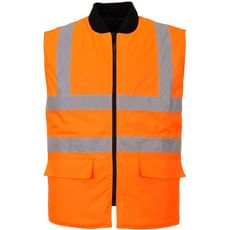
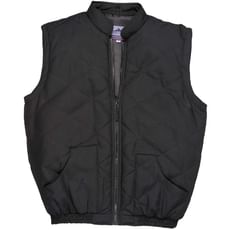
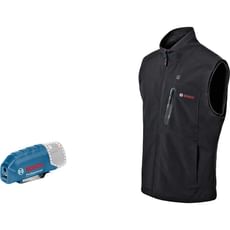
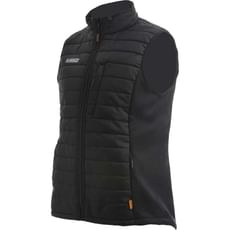
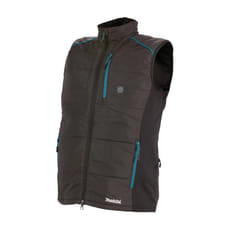
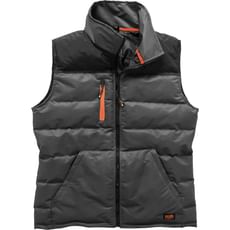
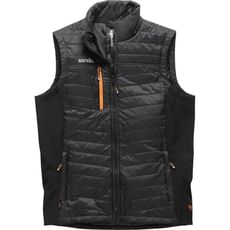
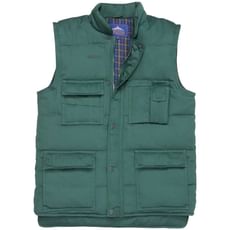
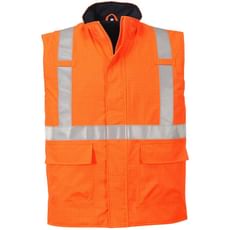
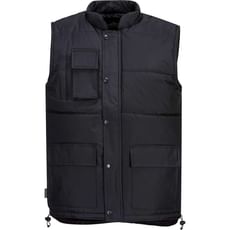
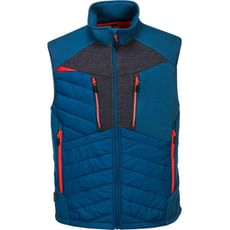
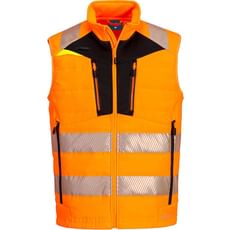
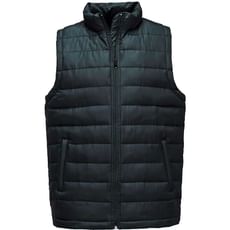
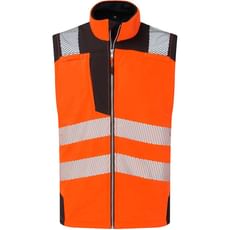
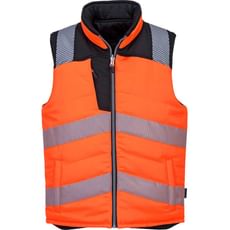
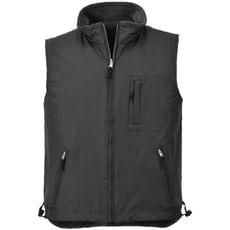
 Loading...
End of content
Error - No more pages to load
About Bodywarmers
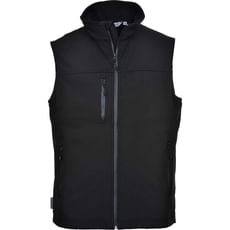
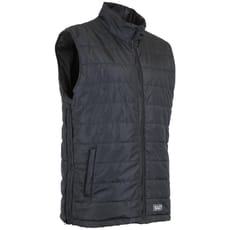
Bodywarmers are an essential piece of workwear for tradespeople and outdoor workers who need to maintain core body warmth whilst retaining freedom of movement in their arms. Also known as gilets or vests, these sleeveless garments provide excellent insulation for the torso without the bulk and restriction of a full jacket, making them ideal for physically demanding tasks where dexterity and flexibility are paramount. Whether you're working on a construction site, in a warehouse, or carrying out outdoor maintenance work, a quality bodywarmer delivers the perfect balance between warmth and mobility.
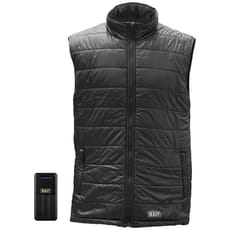
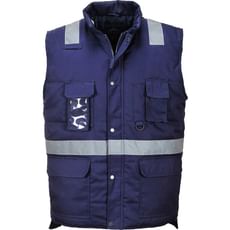
Modern work bodywarmers come in various specifications to suit different working environments and safety requirements. From hi-vis bodywarmers that meet Class 2 visibility standards for roadside and site work, to flame-resistant options for hot work environments, and innovative heated bodywarmers powered by cordless tool batteries from brands like Makita, DeWalt, and Bosch. Traditional padded and fleece-lined designs from trusted workwear manufacturers including Portwest, Scruffs, and Caterpillar offer reliable insulation for everyday use, whilst lightweight options provide weather protection without adding bulk.
The range at Tooled-Up.com includes everything from budget-friendly everyday gilets to specialist high-visibility and flame-resistant options. Many models feature practical elements such as multiple zipped pockets for tools and mobile devices, reversible designs for versatility, water-resistant outer shells, and reflective trim for enhanced visibility. Whether you need a sleeveless jacket for layering under waterproofs, a standalone garment for milder conditions, or a battery-powered heated vest for working in extreme cold, you'll find professional-grade bodywarmers designed to withstand the rigours of daily trade use.
Jargon Buster
- Class 2 Hi-Vis: Refers to EN ISO 20471 certification for high-visibility clothing, providing enhanced visibility through a combination of fluorescent background material and reflective tape. Required for workers near moving vehicles or plant machinery on sites and roadways.
- Baffle Construction: A quilting technique where insulation is contained in individual sewn compartments or channels, preventing the filling from shifting and creating cold spots. Common in padded bodywarmers for consistent warmth distribution.
- Oxford Weave: A durable basketweave fabric construction, typically measured in denier (300D), that provides excellent abrasion resistance and weather protection. Popular in work bodywarmers for its toughness and longevity on site.
- Battery Heated Garments: Bodywarmers featuring integrated heating elements powered by cordless tool batteries (typically 18V systems). Brands like Makita, DeWalt, Bosch, and Festool offer heated vests compatible with their existing battery platforms, providing adjustable warmth in extreme conditions.
- Reversible Design: Bodywarmers that can be worn inside-out, typically offering a hi-vis side for site work and a plain side for general use, maximising versatility from a single garment.
- Gilet: Another term for a bodywarmer or sleeveless jacket, commonly used in workwear specifications. Pronounced "jee-lay", this French term is widely used throughout the UK trades.
Who Uses Bodywarmers?
Bodywarmers are popular across a wide range of trades and professions:
- Construction Workers: Bricklayers, site managers, and labourers requiring warmth without restricted arm movement
- Electricians and Plumbers: Tradespeople working in unheated properties or outdoor locations who need easy access to tool pockets
- Landscapers and Groundskeepers: Outdoor workers exposed to changeable British weather throughout the day
- Warehouse and Logistics Staff: Personnel working in cold storage or unheated distribution centres
- Highways Maintenance Teams: Requiring Class 2 hi-vis bodywarmers for roadside visibility and safety
- Carpenters and Joiners: Needing freedom of movement whilst working in partially completed buildings
- Engineers and Mechanics: Working in workshops, service bays, or on-site repairs in varying temperatures
- Agricultural Workers: Farmers and estate workers requiring durable, weather-resistant outer layers
- Security Personnel: Officers conducting outdoor patrols and static duties
- DIY Enthusiasts: Home improvers tackling outdoor projects and workshop activities year-round
How to Choose the Right Bodywarmers
Selecting the appropriate bodywarmer depends on several key factors:
Visibility Requirements: If you work near moving vehicles, plant machinery, or on public highways, you'll need a Class 2 hi-vis bodywarmer meeting EN ISO 20471 standards. Look for fluorescent yellow or orange fabric with reflective tape positioned for 360-degree visibility. For general workshop or warehouse use, standard colours may suffice.
Insulation Type: Padded bodywarmers with synthetic fill offer excellent warmth-to-weight ratios and perform well even when damp. Fleece-lined options provide breathable insulation ideal for active work, whilst reversible designs with fleece on one side offer versatility. For extreme conditions, consider battery-heated bodywarmers from Makita, DeWalt, or Bosch that integrate with existing cordless tool battery systems.
Outer Shell Material: Look for durable fabrics like 300D Oxford weave for abrasion resistance on building sites. Water-resistant or showerproof coatings protect against light rain and drizzle. Some models feature ripstop fabrics that resist tearing and snagging around materials and equipment.
Storage and Pockets: Consider how many pockets you need and their placement. Multiple zipped chest and side pockets secure tools, mobile phones, and personal items. Internal pockets keep valuables safe, whilst external positioning allows easy access when wearing tool belts.
Fit and Sizing: Bodywarmers should fit comfortably over work shirts or thin fleeces without restriction. Check that armholes allow full movement when reaching overhead. Adjustable hem drawcords and internal cuffs help seal in warmth. Consider whether you'll layer underneath when selecting your size.
Specialist Requirements: For welding and hot work environments, flame-resistant bodywarmers like the BizFlame options provide essential protection. Industries with specific safety standards may require certified garments meeting particular specifications.
Popular Accessories
- Base Layers and Thermal Underwear: Worn underneath bodywarmers for additional insulation in cold conditions
- Work Fleeces and Sweatshirts: Mid-layer options for layering systems beneath bodywarmers
- Cordless Tool Batteries: Essential for heated bodywarmers from Makita, DeWalt, and Bosch (typically 18V platforms)
- Waterproof Jackets: Outer shells that can be worn over bodywarmers in wet weather
- Hi-Vis Accessories: Complementary high-visibility helmets, gloves, and trousers for complete site safety compliance
- Tool Belts and Pouches: Compatible storage systems that work alongside bodywarmer pockets
- Work Trousers: Completing professional workwear outfits from brands like Snickers, Scruffs, and DeWalt
- Safety Boots: Essential PPE for comprehensive site protection alongside hi-vis bodywarmers
Safety Information
When wearing bodywarmers in professional environments, observe these important safety considerations:
High-Visibility Compliance: If working on highways, construction sites, or near moving vehicles, ensure your bodywarmer meets EN ISO 20471 Class 2 standards. Check that reflective tape is clean and undamaged, as deteriorated reflective materials reduce visibility and compromise safety. Replace hi-vis garments when they no longer meet visibility standards, as this is a requirement under HSE guidelines for roadside and site work.
Flame-Resistant Workwear: For hot work including welding, grinding, or working near open flames, standard bodywarmers are unsuitable. Use only certified flame-resistant garments that meet relevant British and European standards. Never wear damaged flame-resistant clothing, as this compromises its protective properties.
Heated Bodywarmer Safety: When using battery-powered heated bodywarmers, only use manufacturer-approved batteries and chargers. Inspect heating elements regularly for damage, and never use garments with exposed wiring or damaged battery connections. Follow manufacturer instructions for washing and care to maintain the integrity of heating systems.
Layering Considerations: Whilst bodywarmers provide excellent core warmth, exposed arms may still be vulnerable to cold. Ensure you wear appropriate long sleeves underneath and consider full jackets in extreme conditions to prevent localised cold injury during prolonged outdoor exposure.
Frequently Asked Questions
Can I wash my work bodywarmer in a washing machine?
Most standard bodywarmers from brands like Portwest and Scruffs can be machine washed following care label instructions, typically at 40°C. However, hi-vis bodywarmers should be washed inside-out to protect reflective tape, and heated bodywarmers require battery removal and specific care procedures. Always check manufacturer guidelines, as some specialist garments may require professional cleaning to maintain certifications and protective properties.
How long do heated bodywarmers run on a single battery charge?
Runtime depends on the battery capacity (Ah rating), heat setting selected, and ambient temperature. Typically, an 18V 5.0Ah battery will provide approximately 4-8 hours on low heat settings, 2-4 hours on medium, and 1-2 hours on high. Brands like Makita, DeWalt, and Bosch offer various battery capacities, with higher Ah ratings delivering longer runtimes. Many tradespeople keep spare batteries charged for all-day warmth on cold sites.
What's the difference between Class 1 and Class 2 hi-vis bodywarmers?
Class 2 hi-vis garments provide greater visibility through increased amounts of fluorescent background material and reflective tape compared to Class 1. For bodywarmers specifically, Class 2 is the standard requirement for construction sites, highways work, and areas with moving vehicles or plant machinery. Class 2 garments meet HSE requirements for high-risk environments where workers need maximum visibility from all angles.
Are bodywarmers suitable for winter site work or do I need a full jacket?
Bodywarmers excel when physical activity generates body heat and full arm mobility is essential, making them ideal for active trades throughout most of the British winter. For static roles, extreme cold, or prolonged outdoor exposure, a full insulated jacket may be more appropriate. Many tradespeople keep both options available, choosing based on daily tasks and weather conditions. Layering a bodywarmer under a waterproof jacket offers excellent versatility.
Will a bodywarmer fit over my tool belt or harness?
Most work bodywarmers are designed with sufficient length and adjustable hems to accommodate tool belts worn at the waist. However, if you wear a full work harness for working at height, ensure you select a bodywarmer that doesn't interfere with harness D-rings and adjustment points. Some manufacturers offer specific designs for harness compatibility, and bodywarmers should always be worn under harnesses rather than over them to ensure proper fall protection system function.