

Bodywork Fillers & Chemicals

Pay in 3 interest-free payments on purchases from £20-£3000 with  . Learn more.

 Loading...
End of content
Error - No more pages to load
About Bodywork Fillers & Chemicals
Bodywork fillers and chemicals are essential materials for professional vehicle repair, restoration work, and DIY automotive projects. This specialist category encompasses a comprehensive range of products designed to repair damaged bodywork, fill dents and scratches, and restore surfaces to a smooth, professional finish ready for painting. Whether you're carrying out minor cosmetic repairs on a family car or undertaking major restoration work on a classic vehicle, having the right fillers and application tools ensures durable, long-lasting results that stand up to the rigours of daily use.
Tooled-Up.com stocks trusted products from leading brands including UPO's renowned Isopon range and Sealey professional tools. From easy-sanding body fillers and glass fibre repair pastes to hardeners, mixing palettes, and application spreaders, the selection includes everything needed for complete bodywork repair projects. These products are formulated to provide excellent adhesion, minimal shrinkage, and superior workability, allowing both professional body shop technicians and enthusiastic DIYers to achieve factory-quality finishes on steel, aluminium, and fibreglass surfaces.
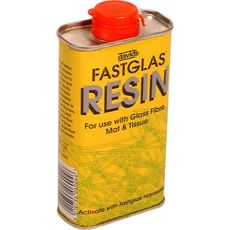
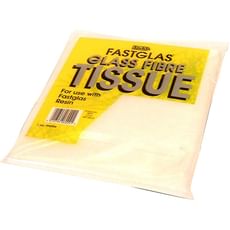
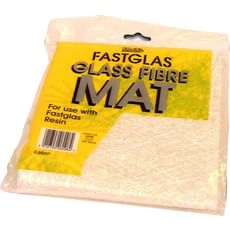
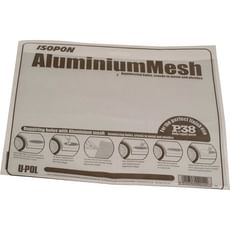
The category also includes specialist materials such as aluminium mesh for structural repairs, Fastglas resin systems for reinforced repairs, and essential accessories like glue removal fluids and application tools. Each product is designed to work as part of a complete repair system, ensuring compatibility and optimal performance when used together for professional-standard bodywork restoration.
Jargon Buster
- Body Filler - A polyester-based paste mixed with hardener that's applied to damaged bodywork to fill dents, scratches, and imperfections. Once cured, it can be sanded smooth and painted over for an invisible repair.
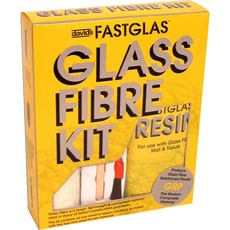
- Fastglas/Glass Fibre Repair System - A reinforced repair system combining resin with glass fibre matting or tissue to create strong, durable repairs suitable for larger holes, rust damage, or structural bodywork repairs that require additional strength.
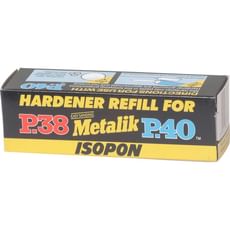
- Hardener - A chemical catalyst that initiates the curing process when mixed with body filler or resin. The ratio of hardener to filler affects working time and cure speed, with more hardener reducing working time but accelerating the cure.
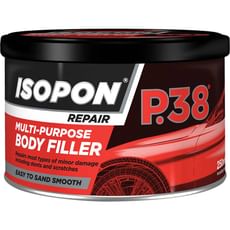
- Easy-Sanding Filler - A lightweight body filler formulated to sand more easily than standard fillers, reducing preparation time and effort whilst still providing excellent adhesion and durability. Products like Isopon P38 are popular examples of this type.
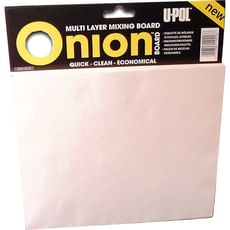
- Mixing Palette - A disposable board or pad used as a clean surface for mixing body filler and hardener together before application. Multiple sheets allow for quick changeovers between batches without cross-contamination.
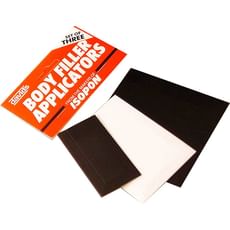
- Application Spreader - A flexible plastic or metal tool used to apply and shape body filler onto damaged surfaces, available in various widths to suit different repair sizes and contours.
Who Uses Bodywork Fillers & Chemicals?
Bodywork fillers and chemicals are utilised by a diverse range of professionals and enthusiasts:
- Panel Beaters and Body Shop Technicians - Professional vehicle repair specialists using these products daily for insurance repairs and restoration work
- Vehicle Restorers - Classic car enthusiasts and professional restorers working on vintage and collectible vehicles
- Mobile Smart Repair Technicians - Specialists in minor bodywork repairs who visit customers at home or work
- Motor Vehicle Mechanics - Garage technicians performing minor bodywork repairs alongside mechanical servicing
- Auto Body Apprentices - Students learning vehicle bodywork repair techniques at colleges and training centres
- DIY Enthusiasts - Home mechanics and car owners tackling their own bodywork repairs to save on professional costs
- Motorcycle Repair Specialists - Technicians working on damaged fairings and bodywork components
- Marine Repair Specialists - Professionals repairing fibreglass boat hulls and marine equipment
How to Choose the Right Bodywork Fillers & Chemicals
Selecting appropriate bodywork repair materials depends on several key factors:
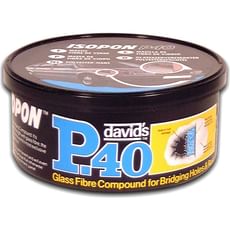
Type of Damage: For shallow dents and minor surface imperfections, standard easy-sanding body fillers like Isopon P38 provide excellent results with minimal effort. Larger holes, rust damage, or structural repairs require glass fibre repair systems such as Isopon Fastglas, which offer reinforced strength and durability. Deep scratches and minor structural damage can be addressed with glass fibre repair pastes like Isopon P40, which combine the strength of reinforcement with convenient paste application.
Material Compatibility: Ensure your chosen filler is suitable for the substrate you're repairing. Most fillers work well on steel and aluminium panels, but specialist products may be required for plastic or fibreglass components. Always check manufacturer specifications to confirm compatibility with your specific repair surface.
Working Time: Consider how much time you need to apply and shape the filler before it begins to cure. Mixing ratios of hardener affect working time - more hardener speeds curing but reduces working time. Beginners should work with smaller batches to avoid waste and allow sufficient time to achieve the desired shape before the material sets.
Finish Requirements: Easy-sanding formulations significantly reduce preparation time and effort when achieving a smooth finish. Products available from Tooled-Up include quality application spreaders in various widths and proper mixing palettes to ensure thorough, lump-free mixing for professional results.
Complete Systems: Many repairs benefit from using a complete system approach. Isopon Fastglas kits include resin, matting, and hardener in one package, ensuring compatibility and eliminating guesswork about mixing ratios and product selection.
Popular Accessories
To achieve professional bodywork repair results, consider these essential complementary products:
- Body Filler Spreaders - Multiple widths for different repair sizes and hard-to-reach areas
- Mixing Palettes and Boards - Disposable sheets providing clean surfaces for each filler batch
- Hardener Sachets - Convenient pre-measured portions for accurate mixing ratios
- Sanding Sheets and Blocks - Various grits for progressive smoothing from initial shaping to final finishing
- Aluminium Mesh - Structural reinforcement for larger repairs requiring extra strength
- Glue Removal Fluids - Specialist chemicals for cleaning adhesive residue before repair work
- Protective Gloves and Masks - Essential PPE when working with chemical products and creating dust
- Surface Preparation Products - Degreasers and primers ensuring optimal adhesion
Safety Information
When working with bodywork fillers and chemicals, proper safety precautions are essential to protect your health and ensure compliance with UK regulations:
Personal Protective Equipment: Always wear appropriate PPE including chemical-resistant gloves, safety glasses or goggles, and respiratory protection when mixing and sanding fillers. Dust created during sanding can be harmful if inhaled, particularly in enclosed spaces. Refer to HSE guidelines for respiratory protective equipment selection appropriate to your working environment.
Ventilation: Work in well-ventilated areas when using fillers, resins, and hardeners. These products release fumes during mixing and curing that require adequate air circulation to prevent harmful exposure. In workshop environments, ensure extraction systems are operating correctly and comply with workplace ventilation standards.
COSHH Compliance: Familiarise yourself with the Control of Substances Hazardous to Health (COSHH) regulations governing workplace use of chemical products. Maintain safety data sheets for all products used and conduct appropriate risk assessments before starting work, particularly in commercial settings.
Storage and Disposal: Store fillers and chemicals in cool, dry conditions away from ignition sources. Hardeners and resins are flammable materials requiring careful handling. Dispose of unused mixed filler, empty containers, and contaminated materials according to local authority hazardous waste guidelines.
Skin Contact: Avoid direct skin contact with uncured fillers, resins, and hardeners. These materials can cause irritation or sensitisation with repeated exposure. If contact occurs, wash immediately with soap and water. Seek medical attention if irritation persists or allergic reactions develop.
Frequently Asked Questions
What's the difference between standard body filler and glass fibre repair paste?
Standard body fillers like Isopon P38 are ideal for shallow dents and surface imperfections, offering easy application and sanding. Glass fibre repair pastes such as P40 contain fibreglass strands for reinforced strength, making them suitable for larger holes, rust repairs, or areas requiring structural integrity. For the most severe damage, complete Fastglas systems with separate resin and matting provide maximum strength for structural bodywork repairs.
How long does body filler take to cure before sanding?
Curing time depends on temperature, hardener ratio, and product type, but typically ranges from 20-30 minutes at room temperature. The filler should be firm to the touch before sanding begins. Warmer conditions accelerate curing, whilst cold workshops slow the process considerably. Avoid applying excessive hardener to speed curing, as this can cause brittleness, poor adhesion, and staining through subsequent paint layers.
Can I apply body filler directly over rust?
No, rust must be completely removed before applying filler. Any remaining rust will continue to spread beneath the filler, causing adhesion failure and recurrence of damage. Remove all rust by grinding, sanding, or wire brushing back to bare metal, then treat with a rust converter or etch primer before applying filler for lasting results that won't delaminate.
What ratio of hardener to filler should I use?
Most body fillers require approximately 2-3% hardener by volume - typically a strip of hardener about 25mm long per golf-ball-sized amount of filler. Follow the manufacturer's specific instructions, as ratios vary between products. Too little hardener results in incomplete curing and a tacky surface, whilst excessive hardener can cause brittleness, cracking, and pink staining through subsequent paint layers.
Do I need special tools to work with bodywork fillers?
While basic repairs can be completed with simple spreaders and sandpaper, professional results benefit from proper tools including various width application spreaders, mixing palettes for clean batch preparation, and quality sanding blocks. For glass fibre repairs, you'll need brushes or rollers to apply resin to matting effectively. Investment in the right accessories significantly improves finish quality and reduces preparation time.