

Bodywork Tools
Pay in 3 interest-free payments on purchases from £30-2000 with  . Learn more.

 Loading...
End of content
Error - No more pages to load
About Bodywork Tools
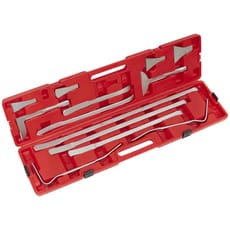
Bodywork tools are specialist equipment designed for automotive repair and restoration, focusing on the shaping, straightening, and finishing of vehicle body panels. Whether you're repairing accident damage, removing dents, or restoring classic cars, having the right bodywork tools is essential for achieving professional results. This comprehensive category includes everything from hydraulic body repair kits and slide hammers to paintless dent removal systems and panel beating equipment.
Modern bodywork repair has evolved significantly, with many repairs now possible without repainting thanks to paintless dent removal (PDR) techniques. Alongside these innovative methods, traditional panel beating tools remain indispensable for more extensive repairs. The range at Tooled-Up.com features professional-grade equipment from trusted brands including Sealey, Draper, and Facom, ensuring you have access to the same quality tools used in professional body shops across the UK.
From body filler applicators and corrosion assessment tools to heavy-duty hydraulic rams and magnetic painting clamps, bodywork tools cover a vast spectrum of repair scenarios. Whether you're a professional panel beater working on insurance repairs or a DIY enthusiast restoring a vehicle in your home garage, investing in quality bodywork tools will dramatically improve the finish and durability of your repairs.
Jargon Buster
- Paintless Dent Removal (PDR)
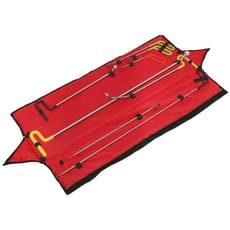
- A technique for removing minor dents and dings without affecting the vehicle's original paintwork, using specialised rods and light boards to massage the metal back into shape from behind the panel.
- Slide Hammer
- A pulling tool that uses a weighted sliding mass along a shaft to generate impact force, commonly used for removing dents by attaching to the panel surface or for separating seized components.
- Body Dolly
- A hand-held anvil used in panel beating to support sheet metal from behind whilst hammering from the front, allowing controlled shaping and smoothing of body panels.
- Hydraulic Body Repair Kit
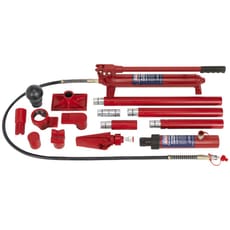
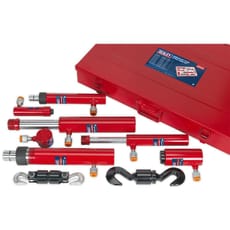
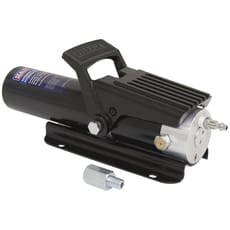
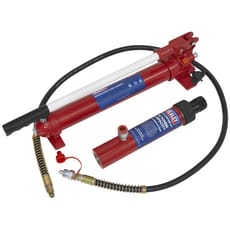
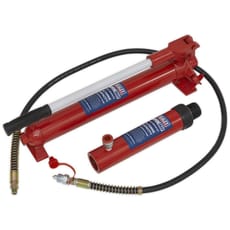
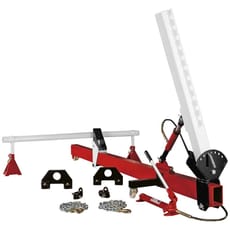
- A push/pull system using hydraulic pressure to straighten bent chassis rails, door frames, and structural components, typically featuring rams rated in tonnes of force.
- Panel Levering Tools
- Specialist pry bars and wedges designed to separate body panels, trim, and clips without causing damage, essential for non-destructive disassembly during bodywork repairs.
- LED Line Board
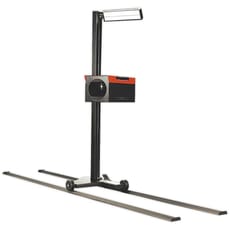
- A specialised light panel used in PDR work that creates shadow lines across the panel surface, making even subtle dents and imperfections clearly visible during repair.
Who Uses Bodywork Tools?
- Panel Beaters and Body Shop Technicians – professionals carrying out insurance repairs and accident damage work
- Paintless Dent Removal Specialists – mobile technicians removing minor dents without repainting
- Vehicle Restorers – enthusiasts and professionals working on classic car restoration projects
- Automotive Apprentices – trainees learning bodywork repair skills in college or on-site
- Mobile Mechanics and Smart Repairers – tradespeople offering on-site minor bodywork repairs
- DIY Car Enthusiasts – home mechanics maintaining and repairing their own vehicles
- Agricultural and Plant Engineers – technicians repairing heavy machinery and equipment bodywork
- MOT Test Centres – workshops addressing corrosion and structural issues during vehicle testing
How to Choose the Right Bodywork Tools
Consider the Type of Work: Assess whether you'll be undertaking minor dent repairs, major structural work, or full restorations. PDR kits are ideal for cosmetic dent removal on modern vehicles, whilst hydraulic body repair kits are necessary for chassis straightening and heavy structural repairs. Panel beating dollies and hammers remain essential for traditional metalwork.
Hydraulic Capacity: For hydraulic body repair equipment, ensure the tonnage rating matches your requirements. A 4-tonne kit suits light panel work, whilst 10-tonne systems are necessary for chassis rails and structural components. Always check that rams, pumps, and hoses are compatible and rated for your intended applications.
Quality and Durability: Professional bodywork tools endure significant force and repeated use. Brands like Sealey, Draper Expert, and Facom offer superior build quality with hardened steel components that won't deform under pressure. Cheaper alternatives may seem economical initially but can fail during critical repairs, potentially causing further damage.
Comprehensive Kits vs Individual Tools: Starter kits provide excellent value and ensure you have compatible components, ideal for those establishing a workshop or expanding capabilities. Experienced professionals may prefer selecting individual specialist tools to complement their existing equipment, particularly high-end PDR rods or specialist dollies for specific panel shapes.
Portability Requirements: Mobile dent repair specialists should prioritise compact, lightweight PDR kits and battery-powered LED line boards. Workshop-based technicians can invest in larger hydraulic systems and comprehensive tool sets without mobility constraints affecting their choices.
Popular Accessories
- Body Filler and Applicators – two-part fillers for repairing rust holes and smoothing imperfections
- Sanding Blocks and Abrasives – various grits for preparing surfaces and feathering repair edges
- Welding Equipment – MIG welders for panel replacement and structural repairs
- Panel Adhesives and Sealers – structural bonding systems and seam sealers
- Masking Materials – tape, paper, and film for protecting surrounding areas during repairs
- Surface Protection Products – wax and grease removers, etch primers, and anti-corrosion treatments
- Measuring Tools – tram gauges and alignment systems for ensuring accurate panel positioning
- Personal Protective Equipment – gloves, eye protection, and dust masks compliant with HSE guidelines
Safety Information
Bodywork repair involves numerous hazards that require careful consideration. When using hydraulic equipment, always ensure rams and jacks are positioned on stable surfaces with adequate load-bearing capacity, and never exceed the manufacturer's rated capacity. Inspect hydraulic hoses and connections regularly for wear or damage, as failed components under pressure can cause serious injury.
Panel work generates sharp edges and metal fragments that pose cutting and eye injury risks. Always wear appropriate PPE including safety glasses, cut-resistant gloves, and protective footwear. When grinding or sanding body filler and paint, use respiratory protection rated for dust and chemical vapours, as older vehicles may contain hazardous materials. Ensure adequate workshop ventilation, particularly when working with chemical strippers, adhesives, or fillers.
Electric and battery-powered tools used in bodywork must be maintained according to manufacturer guidelines. Ensure all 240v equipment is PAT tested in accordance with HSE regulations, and avoid using electrical tools in damp conditions or near flammable materials. When working beneath vehicles supported by hydraulic equipment, always use axle stands as secondary safety devices – never rely solely on hydraulic pressure to maintain vehicle position.
Frequently Asked Questions
What's the difference between paintless dent removal and traditional panel beating?
Paintless dent removal (PDR) is a non-invasive technique that manipulates minor dents from behind the panel without affecting the original paintwork, making it ideal for hail damage and small dings. Traditional panel beating involves hammering and reshaping damaged metal using dollies and may require filler and repainting. PDR is faster and more cost-effective for suitable repairs but cannot address creased panels, paint damage, or areas without access from behind.
Can I use bodywork tools on aluminium panels?
Yes, but aluminium requires different techniques and often specialised tools compared to steel. Aluminium work-hardens when manipulated, making it more prone to cracking if overworked. Many modern vehicles use aluminium bonnets, doors, and tailgates, so investing in aluminium-specific dollies and learning appropriate repair techniques is essential for professional bodywork technicians. PDR techniques work particularly well on aluminium panels when performed correctly.
What tonnage hydraulic body repair kit do I need?
For light bodywork including door skins and wing repairs, a 4-tonne kit is usually sufficient. Most general body shop work is well-served by a 10-tonne system, which handles chassis rail straightening and structural repairs on cars and light commercials. Heavier vehicles or severe structural damage may require 20-tonne capacity. Consider the types of vehicles you'll work on most frequently – Tooled-Up stocks various capacity options to suit different requirements.
Are slide hammers suitable for all dent removal applications?
Slide hammers excel at pulling dents where access from behind is impossible and for removing spot-welded panels. However, they require drilling or welding studs to the panel surface, meaning paintwork will need repair afterwards. For minor dents on accessible panels with intact paint, PDR techniques are preferable. Slide hammers are particularly valuable for older vehicles with paint already requiring attention or for pulling severely crushed areas before finishing with traditional methods.
How do I prevent corrosion after bodywork repairs?
Proper corrosion prevention starts with thorough surface preparation – remove all rust back to bare metal using wire brushes, grinders, or chemical treatments. Apply etch primer to bare metal immediately to prevent flash rusting. Use cavity wax in enclosed sections and seam sealer on joints before topcoating. Many professionals also apply zinc-rich primers to welded areas. Regular inspection and touch-up of stone chips will extend repair longevity significantly in the UK's wet climate.