

Bodywork & Windscreen

Pay in 3 interest-free payments on purchases from £20-£3000 with  . Learn more.
 Loading...
End of content
Error - No more pages to load
About Bodywork & Windscreen
Professional automotive bodywork and windscreen repair demands specialist equipment that delivers precision results on modern vehicle construction. The Bodywork & Windscreen category at Tooled-Up.com brings together essential tools for panel preparation, dent removal, windscreen installation, body shop operations, and interior trim work. Whether running a professional collision repair centre, operating as a mobile SMART repair technician, or undertaking classic car restoration, this comprehensive range addresses the exacting requirements of contemporary vehicle repair work.
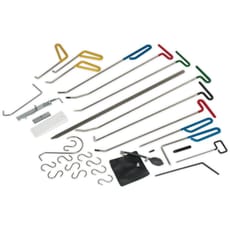
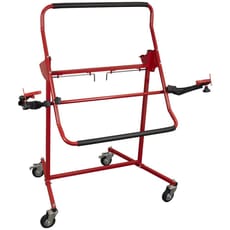
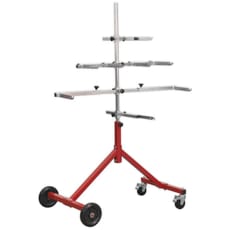
Modern vehicle construction presents unique challenges for bodywork professionals. Today's vehicles combine aluminium panels, ultra-high-strength steel, advanced adhesive bonding systems, and complex trim assemblies that require specialised tools and techniques. The range includes robust body shop stands for safe vehicle positioning, professional-grade bodywork fillers and preparation chemicals, precision dent pullers for paintless dent removal, dedicated windscreen tools for safe glass installation, and non-destructive interior trim tools. Panel dryers accelerate workshop workflow, door removal tools facilitate major repairs, whilst protective covers safeguard vehicles throughout the repair process.
Quality equipment proves essential in bodywork repair, where professional results depend upon using purpose-designed tools for specific applications. From heavy-duty body shop stands providing secure access to all vehicle areas, through to delicate trim removal tools preventing costly damage to interior components, each product category addresses distinct challenges faced by automotive repair professionals across the UK. Tooled-Up stocks equipment suitable for everything from minor cosmetic SMART repairs through to complete accident damage restoration and classic vehicle rebuilds.
Jargon Buster
- PDR (Paintless Dent Removal) – A specialist technique for removing minor dents and dings from vehicle panels without disturbing the original paintwork, using precision tools to manipulate the metal back into shape from behind the panel.
- SMART Repair – Small to Medium Area Repair Technology, a cost-effective approach to repairing localised vehicle damage including small dents, scratches, scuffs and minor paint defects without replacing entire panels or respraying complete sections.
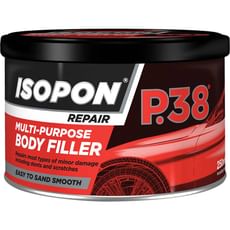
- Body Filler – Polyester-based putty applied to fill imperfections, dents and surface irregularities in vehicle bodywork before sanding smooth and painting. Available in various formulations including lightweight, fibreglass-reinforced and fine finishing grades. Often called "bog" in the trade.
- Trim Tools – Specialist plastic or nylon pry tools designed to remove interior panels, trim pieces and fastening clips without causing scratches, breaks or permanent damage to mounting points or surrounding surfaces.
- Urethane Adhesive – High-strength automotive-grade adhesive used for bonding windscreens and fixed windows to vehicle bodies, replacing traditional rubber gasket methods in modern vehicle construction. Provides structural integrity and weather sealing.
- Panel Beater – Traditional UK trade term for a skilled automotive tradesperson who repairs vehicle bodywork, typically using hammers, dollies and metalworking tools to reshape damaged panels back to original contours.
Who Uses Bodywork & Windscreen?
- Body Shop Technicians – professionals working in vehicle repair centres carrying out accident damage repairs, panel replacements and structural work
- SMART Repair Technicians – mobile or workshop-based specialists focusing on minor cosmetic repairs, scratch removal and paintless dent removal
- Auto Glaziers – windscreen fitting specialists who remove and install vehicle glass using specialist tools and adhesive bonding systems
- Panel Beaters – skilled tradespeople specialising in metalwork repairs, panel reshaping and traditional bodywork techniques
- Classic Car Restorers – enthusiasts and professionals undertaking complete vehicle restoration projects requiring traditional and modern repair methods
- Mobile Dent Removal Specialists – PDR technicians offering on-site minor dent repair services to trade and retail customers
- Vehicle Customisers – specialists modifying vehicles for show, performance applications or personal preferences
- DIY Enthusiasts – home mechanics and vehicle owners tackling their own bodywork repairs, restoration projects and maintenance
- Fleet Maintenance Teams – technicians responsible for keeping commercial vehicle fleets in presentable, roadworthy condition
- Insurance Approved Repairers – body shops working to insurance company standards for accident damage claims
How to Choose the Right Bodywork & Windscreen
Consider Your Specialisation: Equipment requirements vary significantly depending on your work type. SMART repair technicians need different tools compared to full body shop operations. Portable dent pullers and PDR tools suit minor damage specialists, whilst comprehensive body shop stands, panel preparation equipment and heavy-duty lifting gear are essential for complete accident repair workshops and restoration facilities.
Quality and Durability: Professional bodywork tools endure demanding daily use in challenging workshop environments. Investing in quality equipment from established manufacturers delivers superior results and extended service life. Body shop stands must meet load ratings safely and provide stable working platforms, whilst cutting and removal tools require robust construction to withstand the substantial forces involved in separating bonded modern components.
Panel Material Compatibility: Contemporary vehicles utilise aluminium, ultra-high-strength steel, composite materials and mixed-metal construction requiring specialist tools and techniques. Ensure equipment suits the materials you work with most frequently. Some dent removal tools perform excellently on traditional steel panels but prove unsuitable or potentially damaging for softer aluminium bodywork requiring different manipulation techniques.
Chemical and Adhesive Systems: Bodywork fillers, primers, surface preparation products and windscreen adhesives must meet manufacturer specifications and comply with UK automotive safety standards. Professional-grade products offer superior adhesion, workability, durability and more predictable curing characteristics compared to budget alternatives. Always verify compatibility with your substrate materials and existing paint systems before application.
Workspace Requirements: Consider available space when selecting equipment. Panel dryers, infrared heating systems and body shop stands require adequate room for safe operation and vehicle access. Mobile technicians need portable, compact tools delivering professional results without permanent workshop infrastructure. Storage solutions for chemicals and adhesives must meet COSHH requirements and fire safety regulations.
Compliance and Standards: Windscreen installation tools and adhesive systems must meet automotive safety standards and support insurance-approved repair methods. Chemical products should comply with COSHH regulations with appropriate data sheets available. Professional equipment should enable rather than compromise your ability to deliver work meeting insurance requirements, manufacturer specifications and MOT standards.
Popular Accessories
- Sanding Tools and Abrasives – orbital sanders, dual-action sanders, sanding blocks and various grit papers for surface preparation, filler finishing and paint preparation
- Masking Materials – automotive masking tape, paper rolls, plastic sheeting and foam masking products to protect areas during repair and painting operations
- Paint Preparation Products – primers, degreasers, panel wipes, surface cleaners and tack cloths ensuring proper adhesion and contamination-free surfaces
- Personal Protective Equipment – respirators, chemical-resistant gloves, safety glasses and protective clothing essential when working with body fillers, adhesives and paint products
- Air Tools and Compressors – pneumatic sanders, spray guns, blow guns and air compressors for professional finishing work and workshop efficiency
- Panel Repair Tools – body hammers, dollies, spoons, body files and shrinking tools for traditional metalwork repairs and panel shaping
- Measuring and Alignment Tools – trammel gauges, laser alignment systems and measuring equipment for accurate panel positioning and structural alignment verification
- Lighting Equipment – inspection lamps, line boards, LED work lights and paint checking lights to identify imperfections in bodywork and paint surfaces
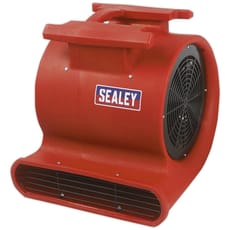
- Heat Guns and Panel Dryers – for softening adhesives, forming plastic components, accelerating drying times and reducing workshop turnaround times
- Mixing and Application Tools – mixing boards, spreaders, application spatulas and dispensing equipment for body fillers and preparation materials
Safety Information
Bodywork and windscreen repair involves several significant safety considerations requiring strict adherence to safe working practices. Always wear appropriate personal protective equipment including safety glasses when removing, drilling or cutting glass and panels, as fragments and particles can cause serious eye injuries. When working with body fillers, polyester resins, urethane adhesives and chemical preparation products, ensure adequate workspace ventilation and wear suitable respiratory protection – many products release harmful vapours and isocyanates during application and curing. Consult COSHH data sheets for all chemicals used in your workspace and implement appropriate control measures.
Body shop stands and vehicle lifting equipment must be rated appropriately for the vehicles you're working on and positioned on firm, level ground. Never work beneath a vehicle supported only by stands without additional safety measures such as axle stands or ramps. Regularly inspect lifting equipment for wear, damage or deterioration. When using panel dryers, infrared heaters or heat guns, remain aware of fire risks from flammable materials and never leave heating equipment unattended whilst operating.
Windscreen removal and installation requires particular care and proper training. Modern urethane adhesives bond extremely strongly and sharp cutting wires can cause serious injuries if mishandled. Always follow manufacturer instructions for adhesive products, including minimum curing times before vehicles are safe to drive, as premature movement can compromise structural integrity. Wear cut-resistant gloves when handling glass and cutting wires. The Health and Safety Executive provides specific guidance on safe working practices in vehicle repair environments that all professionals should familiarise themselves with, including proper storage of chemicals, disposal of contaminated materials and ventilation requirements for spray booth operations.
Frequently Asked Questions
What's the difference between PDR and traditional dent repair?
Paintless Dent Removal (PDR) uses specialist tools to massage minor dents out from behind the panel without affecting the original paint finish. It's faster, more cost-effective and preserves factory paintwork for suitable damage. Traditional repair involves filler application, sanding, priming and repainting, which becomes necessary for creased panels, damage with paint cracking, areas where access behind the panel isn't possible, or where the metal has stretched beyond what PDR techniques can address.
How long does windscreen adhesive take to cure properly?
Modern urethane windscreen adhesives typically reach safe-to-drive strength within 1-2 hours under normal UK conditions, but full structural cure takes 24-48 hours. Curing time varies significantly with ambient temperature and humidity – panel dryers can accelerate the process considerably in cold conditions or during winter months. Always follow the specific adhesive manufacturer's recommendations, as premature vehicle movement can seriously compromise the structural integrity of the installation and potentially fail insurance and safety requirements.
Can I use the same bodywork tools on aluminium as steel panels?
No – aluminium requires different techniques and often completely different tools than steel. Aluminium is softer, more prone to work hardening, and behaves differently under stress, making traditional panel beating methods unsuitable and potentially damaging. Many professional body shops now invest in dedicated aluminium repair tools, specialised welding equipment and manufacturer-approved training, as improper technique can cause irreparable damage or weaken structural components. Always positively identify panel material before beginning repair work.
What body filler should I use for different repair situations?
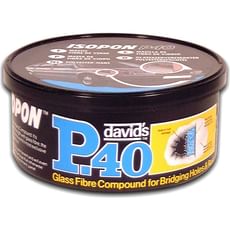
Standard polyester body filler suits most steel panel repairs and general bodywork applications. For aluminium panels, use filler specifically formulated for that material to ensure proper adhesion and flexibility. Lightweight fillers work well for larger areas where weight matters or where extensive filling is required. For small imperfections and final finishing, fine finishing putty provides easier sanding and smoother results. Fibreglass-reinforced fillers suit structural repairs, rust hole repairs and areas requiring additional strength. Always apply filler to clean, properly prepared, rust-free surfaces for best adhesion and durability.
Do I need different trim tools for different vehicle manufacturers?
A comprehensive trim tool kit with various shapes, angles and sizes handles most vehicles encountered in typical repair work. However, some manufacturers use unique fasteners and clip designs requiring specialist tools for non-destructive removal. German vehicles often need specific tools for their proprietary clip designs, whilst Japanese manufacturers generally use more universal fixings. Premium and luxury vehicles may incorporate hidden fasteners requiring specialist knowledge. Starting with a quality multi-piece trim tool set from brands like Laser or Sealey covers most scenarios, with manufacturer-specific specialist tools added as you encounter particular requirements in your regular work.