

Bolsters & Cold Chisels

Pay in 3 interest-free payments on purchases from £20-£3000 with  . Learn more.
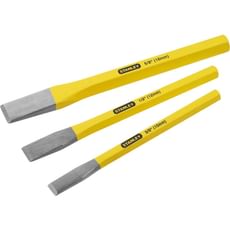
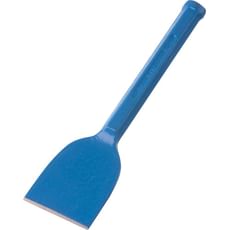
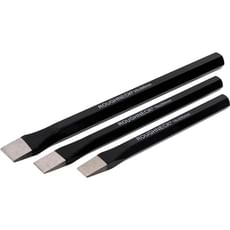
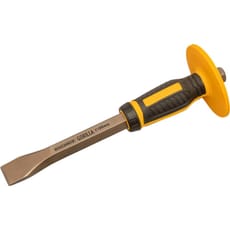

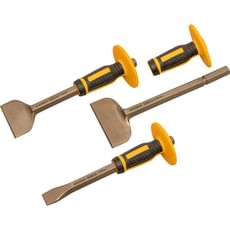
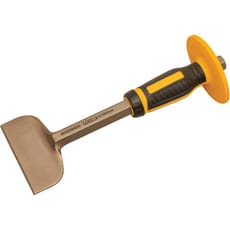
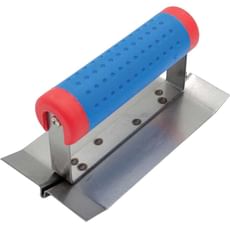
 Loading...
End of content
Error - No more pages to load
About Bolsters & Cold Chisels
Bolsters and cold chisels are fundamental striking tools for cutting, shaping, and removing hard materials across masonry, metalwork, and demolition applications. Designed to be struck with a lump hammer or club hammer, these hardened steel tools deliver precise cutting force exactly where it's needed. Whether you're a bricklayer cutting blocks to size, a metalworker removing stubborn rivets, or tackling a demanding demolition project, the right chisel transforms difficult tasks into manageable work whilst maintaining safety standards on site.
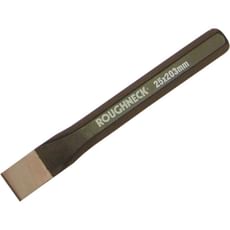
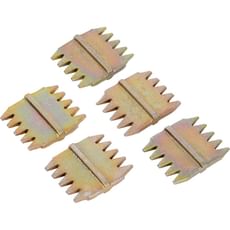
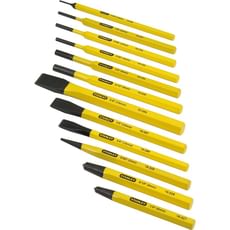
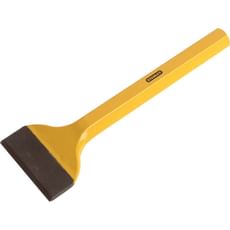
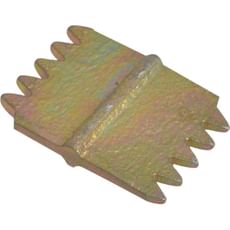
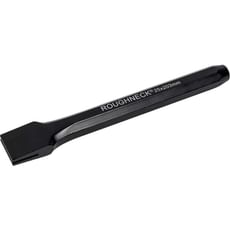
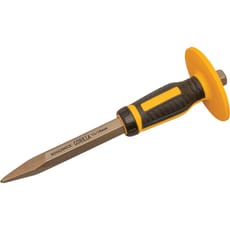
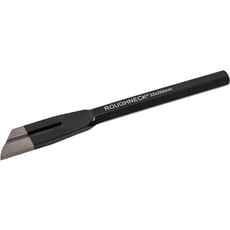
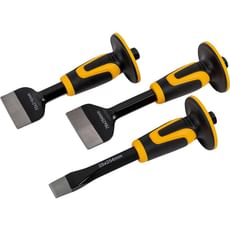
The range available from Tooled-Up.com includes traditional bolster chisels with wide blades for cutting bricks and blocks, cold chisels designed specifically for metalwork and general cutting, floor chisels for lifting floorboards and removing flooring materials, plugging chisels for raking out mortar joints, and scutch chisels for stripping render and excess mortar. Each tool type features distinct blade widths, edge geometries, and steel compositions engineered for specific materials and applications, ensuring optimal performance and longevity.
Professional-grade bolsters and cold chisels from manufacturers like Stanley, Irwin, and Bahco are manufactured from hardened and tempered steel that withstands thousands of hammer blows without mushrooming or shattering. Modern designs increasingly incorporate hand guards and ergonomic grips that significantly reduce injury risk from missed strikes, representing a considerable safety improvement over older unprotected patterns still encountered on building sites. Investing in quality chisels means fewer replacements, safer working conditions, and consistently reliable performance across demanding applications.
Jargon Buster
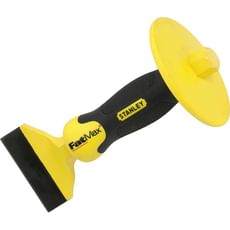
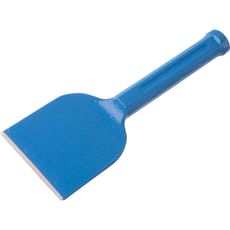
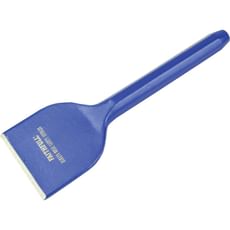
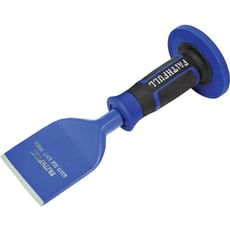
- Bolster Chisel: A wide-bladed cutting chisel, typically 75-100mm in width, designed specifically for cutting bricks, blocks, and paving slabs. The broad blade enables cleaner, straighter cuts through masonry materials compared to narrower chisels.
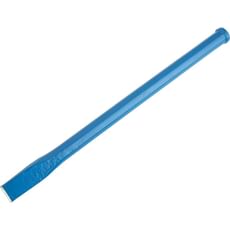
- Cold Chisel: A narrow striking chisel engineered for cutting cold metal—hence the name—removing rivets, severing bolts, and general demolition work. Never to be confused with wood chisels, which lack the hardened steel required for hammer striking.
- Mushrooming: Dangerous deformation occurring at the striking end of a chisel after repeated hammer blows, creating sharp metal lips that can fragment and cause serious injury. Quality chisels resist mushrooming longer, but all striking tools require regular inspection.
- Hardened and Tempered Steel: A heat treatment process that renders the chisel blade hard enough to cut through tough materials whilst maintaining sufficient flexibility to absorb repeated impacts without shattering or fracturing.
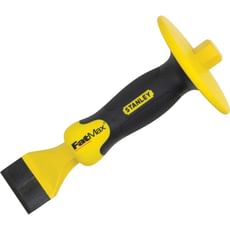
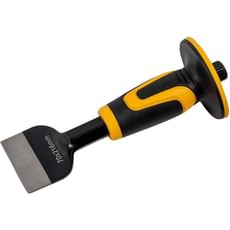
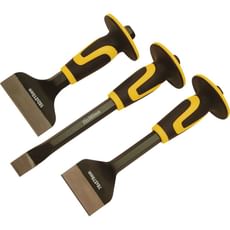
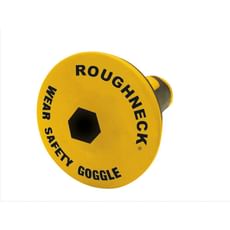
- Hand Guard: A protective shield or enlarged section positioned below the striking head that prevents your hand being struck if the hammer blow misses or glances off the chisel head—an essential safety feature for professional use.
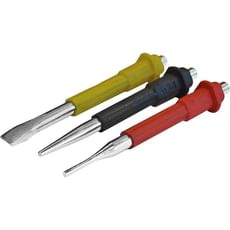
- Plugging Chisel: A specialised narrow chisel used for raking out mortar joints between bricks or removing deteriorated pointing before repointing work, featuring a tapered blade that fits neatly into mortar lines.
Who Uses Bolsters & Cold Chisels?
Bolsters and cold chisels are indispensable across numerous trades and applications:
- Bricklayers and Stonemasons: For cutting bricks, blocks, and stone to precise dimensions, and removing excess mortar from finished work
- General Builders: For demolition work, removing old fixings and brackets, and preparing surfaces for renovation
- Groundworkers and Landscapers: For cutting paving slabs and kerb stones, breaking out concrete, and shaping hard landscaping materials
- Metalworkers and Fabricators: For cutting sheet metal, removing rivets and seized bolts, and general metal shaping tasks
- Plumbers and Heating Engineers: For cutting access points through floor joists and masonry, and removing old pipe clips and fixings
- Roofers: For cutting concrete and clay roof tiles, and removing old lead flashing and cement fillets
- Demolition Contractors: For breaking out materials, removing stubborn fixings, and cutting through multiple material types
- DIY Enthusiasts: For home improvement projects, garden landscaping, and general property maintenance work
How to Choose the Right Bolsters & Cold Chisels
Material and Application: Match the chisel type to your primary task. Bolsters excel at cutting masonry with their wide blades distributing force evenly, cold chisels handle metalwork and concentrated demolition tasks, whilst specialised patterns like plugging chisels and floor chisels address specific applications. Using the wrong type significantly reduces efficiency and accelerates tool wear.
Blade Width: Bolster chisels typically range from 75mm to 150mm wide, with 100mm being the most versatile size for general bricklaying and blockwork. Cold chisels are considerably narrower, usually 6mm to 25mm, with the width determining the balance between cutting precision and blade strength. Wider blades cut faster but require greater striking force.
Build Quality and Steel Grade: Professional-grade chisels from brands like Stanley, Bahco, and Irwin use superior alloy steel that maintains its cutting edge substantially longer and resists mushrooming. Budget chisels may initially appear identical but will deform rapidly under repeated use, becoming dangerous and requiring frequent replacement—false economy for regular users.
Safety Features: Look for chisels with integral hand guards to protect against missed strikes and glancing blows. Many modern designs also feature non-slip grips and high-visibility handles that improve control and reduce the risk of the tool being misplaced on busy sites where numerous tools are in use simultaneously.
Handle Design: Traditional chisels feature plain striking heads, but many professionals prefer models with rubber or polymer grips that reduce vibration transmitted to your hand. This becomes particularly important during extended use, helping prevent conditions like Hand-Arm Vibration Syndrome (HAVS) and general hand fatigue.
Popular Accessories
To maximise the effectiveness and safety of your bolsters and cold chisels, consider these complementary products available at Tooled-Up.com:
- Lump Hammers and Club Hammers: Essential for striking chisels safely and effectively, typically in 2lb to 4lb weights for optimal balance between power and control
- Safety Goggles and Face Shields: Critical PPE to protect against flying debris, metal fragments, and masonry dust—non-negotiable for chisel work
- Work Gloves: Impact-resistant gloves from brands like DeWalt and Portwest protect hands from missed strikes and provide better grip
- Hearing Protection: Repeated hammer strikes generate significant noise levels, particularly when working with metal or in enclosed spaces
- Brick Lines and Chalk: For marking accurate cutting lines on masonry before using a bolster, ensuring straight cuts and minimal waste
- Sharpening Stones or Files: To maintain chisel edges and restore cutting performance, extending tool life considerably
- Tool Rolls and Storage Cases: Stanley and other manufacturers offer dedicated chisel storage to protect cutting edges and keep tools organised on site
- Bench Grinders: For removing mushrooming from striking heads and resharpening cutting edges to maintain safe, effective tools
Safety Information
Personal Protective Equipment: Always wear safety goggles or a full face shield when striking chisels, as flying debris and metal fragments pose serious risk to eyes and face. Impact-resistant gloves protect hands from missed strikes, whilst hearing protection should be used during extended work sessions. The HSE recommends appropriate PPE for all striking tool operations, and many sites enforce mandatory eye protection in chisel work areas.
Tool Inspection: Before each use, carefully inspect the striking head for mushrooming—the dangerous deformation that creates sharp edges which can fragment under impact, sending metal shards at high velocity. Grind off any mushrooming promptly using a bench grinder, or retire heavily damaged tools entirely. Similarly, check the cutting edge for chips or cracks that could cause unpredictable breakage during use.
Proper Technique: Always position the chisel securely against the workpiece with one hand positioned well below the striking area, never near the top. Strike squarely with a suitable hammer—never use excessive force or strike at an angle, which can cause the chisel to slip, kick back, or strike your supporting hand. Ensure good lighting and stable footing, particularly when working at height or on uneven ground.
Work Area Safety: Clear the immediate area of bystanders before striking, as debris can travel considerable distances—several metres in some cases. When working with masonry, be aware of hidden services like electrical cables, water pipes, and gas lines. When cutting metal, secure the workpiece properly to prevent movement, and be mindful of sharp edges on freshly cut material that can cause severe lacerations.
Frequently Asked Questions
What's the difference between a bolster chisel and a cold chisel?
A bolster chisel features a wide blade (typically 75-100mm) specifically designed for cutting bricks, blocks, and masonry materials, with the broad blade distributing force for cleaner cuts. A cold chisel has a much narrower blade engineered for cutting metal, removing rivets, and concentrated demolition work. Using the wrong type significantly reduces cutting efficiency and accelerates tool wear, potentially creating safety hazards.
Can I use a wood chisel instead of a cold chisel?
Absolutely not—never use wood chisels for metalwork or masonry. Wood chisels are manufactured from softer steel designed only for cutting timber with hand pressure or light mallet strikes. Hitting them with a hammer will cause the edge to deform immediately and may shatter the handle or tang, creating a serious safety hazard with potential for injury.
How do I prevent my chisel from mushrooming?
Mushrooming is inevitable with repeated use, but quality chisels from brands like Stanley and Bahco are hardened to resist it substantially longer. Striking squarely with an appropriate-sized hammer reduces mushrooming development. Once it occurs, grind the striking head back to its original diameter using a bench grinder, taking care not to overheat the steel which can destroy the temper and weaken the tool.
What size lump hammer should I use with my chisel?
For most bolster and cold chisel work, a 2lb to 3lb lump hammer provides the optimal balance of power and control for all-day use. Heavier hammers (4lb) are suitable for heavy demolition and thick material cutting, but require more effort and increase fatigue significantly. The hammer should feel comfortable to swing repeatedly whilst generating sufficient force to cut effectively without excessive blows.
Do I need different chisels for cutting engineering bricks versus standard bricks?
Engineering bricks are significantly harder and denser than standard bricks, but the same quality bolster chisel can cut both—you'll simply need to strike harder and may require additional blows per cut. For regular engineering brick cutting, choose a high-quality bolster with superior steel composition that maintains its edge longer under the additional stress, reducing downtime for sharpening.