

Bolsters

Pay in 3 interest-free payments on purchases from £20-£3000 with  . Learn more.



 Loading...
End of content
Error - No more pages to load
About Bolsters
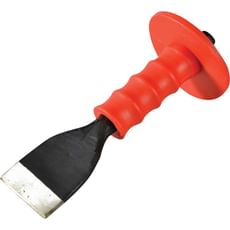
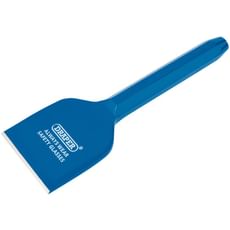
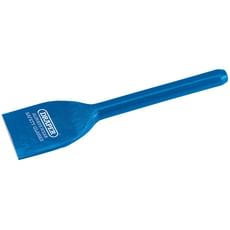
Bolsters, commonly known as bolster chisels, are robust hand tools engineered for cutting, shaping, and breaking through masonry, brickwork, and concrete. Distinguished from standard wood chisels by their wide, flat blades—typically ranging from 50mm to 125mm in width—these essential tools excel at splitting bricks cleanly, removing hardened mortar, cutting paving slabs to size, and chasing out walls for electrical or plumbing installations. The heavy-duty construction of bolster chisels allows them to withstand the repeated hammer strikes necessary for demanding demolition and construction work, making them indispensable on building sites across the UK.
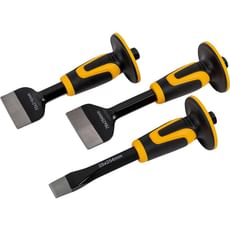
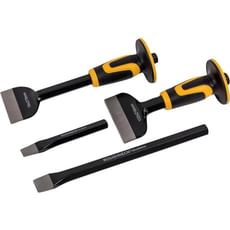
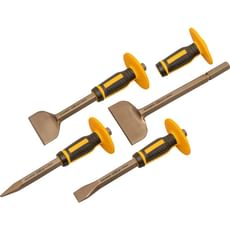
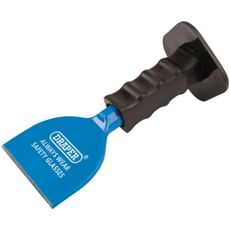
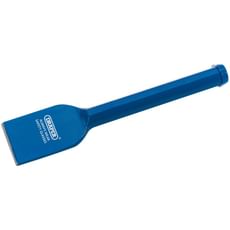
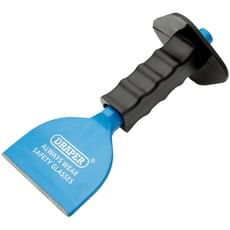
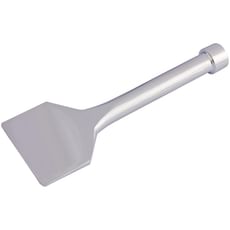
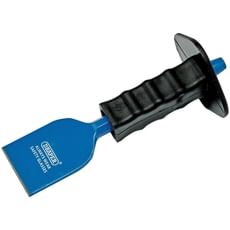
The selection available from Tooled-Up.com includes specialist variants designed for specific applications. Standard brick bolsters, typically measuring 100mm wide, are ideal for general masonry work and splitting bricks along their length. Electricians' bolsters feature narrower blades around 50-75mm, precision-engineered for chasing out neat channels in walls for cable runs and back boxes. Masons' bolsters offer heavy-duty construction for professional stonemasonry projects, whilst carpet laying bolsters provide a completely flat edge for tucking carpet into gripper strips. Many models come with integrated hand guards or can be purchased with separate protective guards to shield your hands from misplaced hammer strikes during intensive work.
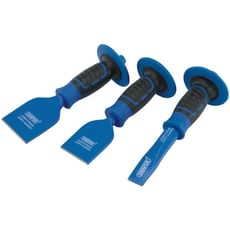
Tooled-Up stocks trusted brands including Draper, Roughneck, Sealey, Stanley, Faithfull, and FootPrint, offering everything from individual bolsters to comprehensive sets that include complementary cold chisels. Whether you're a professional bricklayer, electrician, or a DIY enthusiast tackling home renovation projects, selecting the appropriate bolster for your specific application ensures cleaner cuts, improved efficiency, and safer working conditions on site. Quality drop-forged steel construction and hardened cutting edges distinguish professional-grade bolsters from cheaper alternatives that may chip or deform under regular use.
Jargon Buster
- Drop-Forged Steel
- A manufacturing process where heated steel is shaped using powerful hammering or pressing, creating a stronger molecular structure. Drop-forged bolsters offer superior durability and impact resistance compared to cast alternatives, making them suitable for professional applications.
- Hand Guard
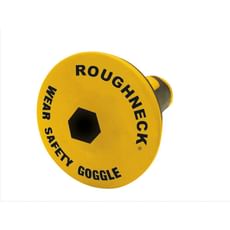
- A protective shield positioned between the bolster handle and blade, designed to protect your hand from hammer strikes that miss the striking cap. Essential safety equipment particularly important for less experienced users and those undertaking extended bolster work.
- Striking Cap
- The mushroom-shaped head at the top of the bolster handle, engineered to absorb repeated hammer blows. Quality bolsters feature hardened striking caps that resist deformation and splitting over time, with any mushrooming requiring regular grinding back.
- Chasing Out
- The process of cutting narrow channels or grooves into masonry walls, typically for running electrical cables or pipework. Electricians' bolsters are specifically designed for this purpose with narrower blade profiles that create neater, more precise channels.
- Ground Edge
- The sharpened cutting edge of the bolster blade, ground to a precise angle (typically 20-30 degrees) for optimal cutting performance through masonry materials without excessive dulling. Regular sharpening maintains cutting efficiency.
- Induction Hardened
- A heat treatment process that hardens the steel at specific points—usually the cutting edge and striking cap—whilst maintaining flexibility in the blade body. This prevents both dulling of the edge and shattering under impact.
Who Uses Bolsters?
Bolster chisels are indispensable tools across numerous trades and applications:
- Bricklayers and Stonemasons: Daily use for cutting bricks, blocks, and stone to size, removing excess mortar, and general masonry shaping work on building sites
- Electricians: Chasing out walls and floors to create channels for cable runs, back boxes, and conduit installations in domestic and commercial properties
- Plumbers and Heating Engineers: Cutting channels for copper and plastic pipework through masonry walls and floors during installation and maintenance work
- General Builders and Labourers: Demolition work, removing tiles, breaking up concrete, and general site preparation tasks requiring robust masonry cutting
- Plasterers: Preparing walls by removing loose material, creating keyed surfaces, and cutting back damaged areas before applying fresh plaster
- Landscape Gardeners: Cutting paving slabs, kerb stones, edging materials, and decorative stone to fit specific garden designs
- Carpet Fitters: Using specialist carpet bolsters with flat blades for tucking carpet edges into gripper strips along skirting boards
- DIY Enthusiasts: Home renovation projects including removing tiles, cutting bricks for garden walls, and general maintenance work requiring masonry cutting
How to Choose the Right Bolsters
Blade Width: Select based on your primary application. Standard brick bolsters typically measure 100mm wide for general masonry work and splitting bricks. Electricians' bolsters at 50-75mm are ideal for precise chasing work with minimal wall damage, whilst wider 125mm masons' bolsters suit heavy-duty stone cutting. Consider purchasing multiple widths if you regularly tackle varied tasks across different trades.
Construction Quality: Look for drop-forged, induction-hardened steel construction from reputable brands such as Draper, Stanley, Roughneck, or Faithfull. The blade should be heat-treated for durability whilst maintaining sufficient flexibility to prevent shattering under impact. Cheaper cast alternatives may chip or deform prematurely under professional use, creating false economy for regular tradespeople.
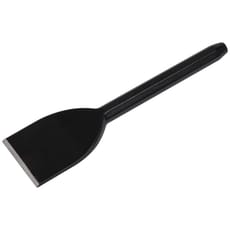
Handle Design: Traditional bolsters feature an integrated striking cap without a separate handle, whilst modern designs may incorporate comfortable grips or octagonal shanks for better control. Ensure the striking cap is broad enough for accurate hammer strikes and manufactured from hardened steel that won't mushroom excessively. Some users prefer the direct feel of handleless designs, whilst others appreciate the improved grip and shock absorption of handled versions.
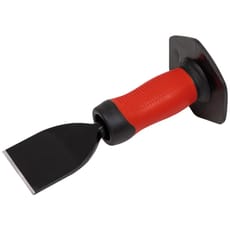
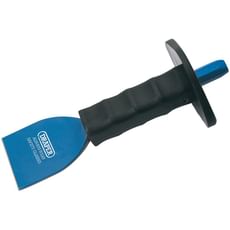
Hand Guard Protection: For safety-conscious users and those less experienced with bolster work, models with integrated hand guards or the option to add guards separately are highly recommended. The guard should be securely attached and positioned to protect your hand without interfering with visibility of the cutting edge during precision work.
Application-Specific Features: Carpet laying bolsters feature completely flat, broad blades without sharp edges to avoid damaging carpet fibres. Electricians' bolsters have narrower profiles with precision-ground edges for neat chases. Ensure you select a specialist bolster if your work demands specific characteristics rather than attempting to use a general-purpose brick bolster for all applications.
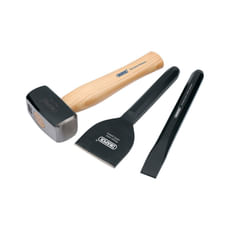
Set versus Individual Purchase: Bolster and chisel sets offer excellent value for tradespeople requiring multiple tools, often including complementary cold chisels in various sizes alongside different width bolsters. However, if you only need a specific bolster type, individual purchase allows you to invest in premium quality for that particular tool without paying for unused items.
Popular Accessories
- Club Hammers and Lump Hammers: Essential partners for bolster work, typically weighing 1-2kg for controlled striking force without excessive fatigue
- Replacement Hand Guards: Separate guards available for bolsters without integrated protection, easily fitted to improve safety
- Cold Chisels: Complementary tools for different cutting tasks, often purchased alongside bolsters in comprehensive chisel sets
- Safety Goggles and Face Shields: Critical eye protection against flying masonry fragments and dust during cutting operations
- Impact-Resistant Work Gloves: Protection against hand injuries whilst maintaining sufficient dexterity for controlled bolster work
- Chalk Lines and Marking Tools: For accurately marking cutting lines on brickwork, paving, and masonry before cutting
- Dust Masks and Respirators: HSE-compliant respiratory protection against harmful silica dust when cutting masonry materials
- Tool Rolls and Storage Cases: Organised storage for bolster and chisel collections, protecting cutting edges during transport
- Bench Grinders and Sharpening Stones: Maintaining sharp cutting edges and grinding back mushroomed striking caps for optimal performance
- Kneeling Pads: Comfort and protection during extended floor-level work such as cutting paving or chasing out at skirting level
Safety Information
Personal Protective Equipment: Always wear safety goggles or a face shield when using bolster chisels, as flying fragments of brick, concrete, and mortar pose serious eye injury risks. Impact-resistant work gloves protect against hand injuries from misplaced strikes, whilst steel toe-capped boots are essential on construction sites. When cutting materials that generate silica dust, wear appropriate respiratory protective equipment compliant with HSE guidelines to prevent long-term lung damage.
Hand and Finger Protection: Keep your non-striking hand well clear of the bolster's path and use hand guards wherever possible to prevent crush injuries. Ensure you have a secure grip on the bolster handle before striking, and never hold the blade itself during use. Misplaced hammer strikes are common causes of serious hand injuries, particularly when fatigue sets in during extended work periods on site.
Tool Inspection: Before each use, inspect your bolster for mushrooming of the striking cap, chips in the blade, or cracks in the handle or shank. A mushroomed striking cap can produce dangerous metal fragments when struck and should be ground back to its proper shape using a bench grinder. Replace any bolsters showing significant wear, deep cracks, or blade damage, as compromised tools are more likely to fail catastrophically under impact.
Work Area Safety: Secure workpieces properly before cutting to prevent unexpected movement that could cause injury. Clear the immediate area of trip hazards and ensure adequate lighting for precise work. When working at height or on scaffolding, use tool lanyards to prevent dropped tools causing injury below. Be aware of hidden services such as electrical cables or water pipes before chasing out walls—use a cable detector to prevent potentially fatal contact with live cables.
Proper Technique: Use controlled hammer strikes rather than full-force swings to maintain accuracy and reduce fatigue during extended use. Position yourself with stable footing and body positioning that allows you to strike accurately whilst keeping clear of the work area. Take regular breaks during intensive bolster work to maintain concentration and reduce the risk of accidents caused by tiredness, particularly during hot weather or physically demanding projects.
Frequently Asked Questions
What's the difference between a bolster and a cold chisel?
Bolsters feature wide, flat blades specifically designed for cutting masonry, brickwork, and concrete, with typical blade widths ranging from 50mm to 125mm. Cold chisels have narrower, pointed or flat blades designed for cutting metal, removing rivets, and shearing bolts. Whilst both are struck with hammers, each tool is engineered for different materials and applications, with bolsters having the width necessary to split bricks cleanly along their length and create broader cuts through masonry.
Do I need different bolsters for different jobs?
Whilst a standard 100mm brick bolster handles many general tasks, specialist bolsters significantly improve efficiency and results for specific applications. Electricians' bolsters at 50-75mm width create neater, narrower chases for cable runs with less wall damage. Carpet laying bolsters feature completely flat blades without sharp edges to avoid damaging carpet fibres. Professional tradespeople typically own several bolsters suited to their regular work, whilst DIY users can often manage with a single general-purpose brick bolster for occasional projects.
How do I maintain and sharpen my bolster?
Keep the cutting edge sharp using a bench grinder or sharpening stone, maintaining the original grinding angle (typically 20-30 degrees) for optimal cutting performance. Grind evenly across the blade width to prevent uneven cutting and premature wear. Regularly inspect and grind back any mushrooming on the striking cap using an angle grinder to prevent dangerous metal fragments flying off during use. Store bolsters in dry conditions to prevent rust, and apply a light coating of oil if storing for extended periods between projects.
Can I use a bolster with a power drill hammer function?
No, bolsters are designed exclusively for use with hand-held hammers such as club hammers or lump hammers weighing 1-2kg. Power tools like hammer drills and demolition hammers operate at completely different speeds and impact forces, and attempting to use them with bolsters will damage both the tool and likely cause serious injury. For power tool applications, use appropriate SDS chisels specifically designed for hammer drills and demolition hammers that can withstand the rapid impact forces.
What weight hammer should I use with a bolster?
A club hammer or lump hammer weighing between 1kg and 2kg is ideal for most bolster work across general building and trades applications. The 1kg weight suits precision work such as chasing out for electrical installations and prolonged use with less fatigue, whilst 2kg hammers provide more cutting force for heavy-duty applications like splitting engineering bricks or cutting paving slabs. Heavier hammers increase the risk of misplaced strikes and excessive fatigue, reducing accuracy and increasing injury risk during extended work periods.