

Bolt Cutter Accessories
Pay in 3 interest-free payments on purchases from £30-2000 with  . Learn more.
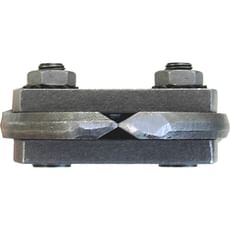
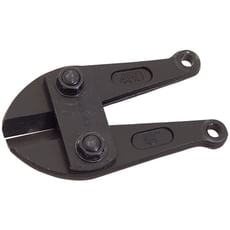
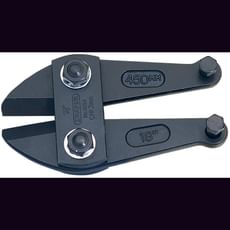
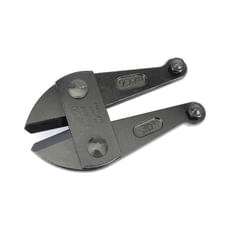
 Loading...
End of content
Error - No more pages to load
About Bolt Cutter Accessories
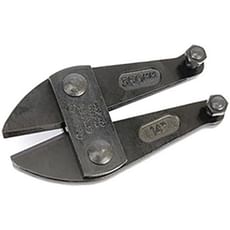
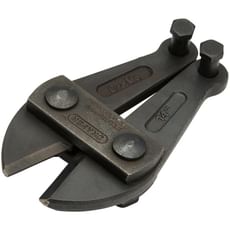
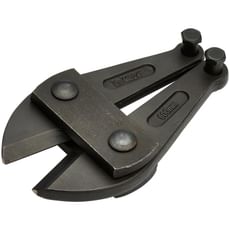
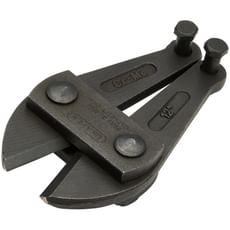
Bolt cutter accessories are essential replacement components designed to maintain and extend the working life of bolt cutting tools used across construction sites, workshops, and maintenance environments. The primary accessories in this category are replacement jaws—the hardened cutting elements that bear the force when severing chains, padlocks, bolts, and reinforced metal fixings. As these cutting edges wear down through regular contact with high-tensile materials, having access to quality replacement parts proves far more cost-effective than purchasing entirely new bolt cutters.
The selection at Tooled-Up.com includes both centre cut jaws and standard replacement jaws, manufactured by trusted brands such as Draper and Faithfull. These genuine replacement components are precision-engineered to match specific bolt cutter models, ensuring they deliver the same cutting performance as the original factory-fitted jaws. Centre cut jaw patterns concentrate force at the midpoint of the cutting edge, providing maximum leverage when tackling thick materials like hardened steel bolts rated up to 40 HRC. Each replacement jaw undergoes heat treatment, typically hardened to HRC 58-60, which ensures prolonged service life even when cutting demanding materials regularly encountered by professional tradespeople.
For tradespeople who depend on their cutting tools daily, maintaining a stock of replacement jaws eliminates downtime and prevents project delays. Rather than waiting for worn cutters to fail completely, professionals can proactively swap out jaws at the first signs of reduced performance, ensuring consistent cutting quality throughout demanding applications. This approach to tool maintenance proves particularly valuable in time-sensitive environments where equipment failure can impact project schedules and profitability.
Jargon Buster
- Centre Cut Jaws: Replacement cutting heads featuring a centred cutting edge that concentrates force in the middle of the jaw surface. This design maximises leverage and cutting power when tackling thick, high-tensile steel bolts and reinforced chains.
- HRC Rating (Hardness Rockwell C): A measurement scale indicating the hardness of cutting jaws, with higher numbers representing harder materials. Jaws hardened to HRC 58-60 maintain their cutting edge longer when working with tough materials, whilst materials rated up to 40 HRC represent the maximum hardness these jaws can effectively cut through.
- High Tensile: Materials or replacement jaws manufactured to cut through hardened steel and reinforced metal fixings. High tensile jaws undergo heat treatment to maintain their cutting edge when encountering particularly tough materials found in industrial and construction applications.
- Jaw Capacity: The maximum diameter of material (measured in millimetres) that replacement jaws can effectively sever. Common capacities range from 7mm for lighter-duty applications through to 13mm or more for heavy-duty industrial bolt cutters.
- Drop-Forged Construction: A manufacturing process where heated metal is shaped under extreme pressure, creating exceptionally durable replacement jaws with superior strength characteristics compared to cast or machined alternatives.
Who Uses Bolt Cutter Accessories?
Bolt cutter accessories serve essential maintenance functions for numerous trades and industries:
- Security Professionals: Locksmiths and security engineers who regularly cut padlocks and chains during emergency access situations or system installations
- Construction Workers: General builders and site operatives cutting through metal fixings, rebar, and temporary fencing materials
- Electricians: Sparkies working with cable tray, metal conduit, and armoured cable installations where cutting through fixings is routine
- Maintenance Engineers: Facilities managers and maintenance teams removing corroded fixings, cutting seized bolts, and accessing secured areas
- Demolition Contractors: Professionals dismantling structures and severing various metal components during strip-out work
- Fencing Contractors: Specialists installing and maintaining chain-link fencing, gates, and security barriers
- Agricultural Workers: Farmers and estate managers cutting fencing wire, chains, and metal fixings around rural properties
- DIY Enthusiasts: Homeowners tackling renovation projects, garden work, and general maintenance tasks requiring occasional metal cutting
How to Choose the Right Bolt Cutter Accessories
Model Compatibility: The most critical consideration is ensuring replacement jaws match your specific bolt cutter model. Check the model number stamped on your existing tool and match this precisely against accessory specifications. Draper replacement jaws, for example, are manufactured for specific models such as 12949, 12950, 12951, 14000, 14001, 54264, 54265, 54266, 54267, or 68845. Using incompatible jaws results in poor cutting performance and creates potential safety hazards.
Jaw Pattern: Determine whether your application requires centre cut jaws or standard replacement jaws. Centre cut designs provide optimal cutting force for heavy-duty applications involving high-tensile materials, whilst standard patterns may suffice for lighter, more frequent cutting tasks. Consider the typical materials you encounter—hardened steel bolts demand different jaw specifications compared to chain-link fencing or mild steel fixings.
Hardness Rating: Examine the HRC specifications to ensure jaws are appropriately hardened for your cutting requirements. Jaws hardened to HRC 58-60 maintain their cutting edge through extended use, whilst the maximum material hardness rating (typically up to 40 HRC) indicates the toughest materials the jaws can effectively cut without premature wear or damage.
Material Quality: Prioritise replacement jaws manufactured from high-grade, heat-treated steel. Quality brands like Draper and Faithfull produce jaws meeting stringent durability standards that maintain their cutting edge through professional-level use. Cheaper alternatives may wear rapidly or chip when encountering hardened materials, ultimately costing more through frequent replacements.
Cutting Capacity: Verify that replacement jaws maintain the original cutting capacity of your bolt cutters, typically measured in millimetres for maximum material diameter. Capacities range from 7mm for lighter-duty tools through to 13mm or more for heavy-duty cutters. If you've upgraded to cutting thicker materials, confirm your bolt cutter frame can accommodate higher-specification jaws before purchasing.
Popular Accessories
Complement your bolt cutter accessories with these related products available from Tooled-Up.com:
- Cutting Oil and Lubricants: Reduces friction and extends jaw life when cutting through particularly tough materials
- Safety Goggles and Face Protection: Essential PPE from brands like Portwest to protect against metal fragments and debris during cutting operations
- Work Gloves: Heavy-duty gloves from Scruffs, DeWalt, or Portwest providing grip and hand protection
- Jaw Sharpening Files: Specialist files for touching up slightly worn cutting edges between full jaw replacements
- Tool Storage Solutions: Stanley FatMax, DeWalt TSTAK, or Milwaukee PACKOUT cases for organised accessory storage
- Bolt Cutters (Various Sizes): Maintaining multiple sizes ensures you use appropriately-sized tools for each cutting capacity requirement
- Measuring Tools: Vernier callipers or tape measures from Bahco or Stanley to accurately assess material diameter before cutting
- Penetrating Oil: Assists when cutting through corroded or rusted bolts and chains
Safety Information
Installation: Always fit replacement jaws according to the manufacturer's instructions. Ensure all retaining pins or fasteners are properly secured before commencing work. Incorrectly fitted jaws can detach during operation, causing serious injury. Inspect mounting points for wear or damage before installing new jaws—damaged mounting hardware compromises jaw security.
Personal Protective Equipment: Wear appropriate PPE including safety goggles or a face shield to protect against flying metal fragments. The HSE recommends eye protection whenever cutting operations create potential projectile hazards. Heavy-duty work gloves protect hands from sharp edges on both the replacement jaws and cut materials.
Cutting Technique: Always position bolt cutters at right angles to the material being severed. Ensure handles move through their full range before applying maximum force. Never extend handles with pipes or additional leverage devices, as this can damage replacement jaws or cause catastrophic tool failure.
Inspection and Maintenance: Regularly inspect replacement jaws for chips, cracks, or excessive wear. Damaged jaws should be replaced immediately to prevent tool failure during operation. Keep cutting surfaces clean and lightly oiled to prevent corrosion between uses. Never attempt to cut materials harder than the jaw's rated capacity, as this causes premature wear or dangerous jaw failure.
Frequently Asked Questions
How often should replacement jaws be fitted to bolt cutters?
Replacement frequency depends on usage intensity and material types being cut. Professional tradespeople cutting high-tensile materials daily may require replacement jaws every few months, whilst DIY users might find jaws last several years. Replace jaws when you notice reduced cutting performance, visible chips or cracks in the cutting edge, or when the edge becomes significantly dulled. Regular inspection helps identify wear before it compromises cutting efficiency or safety.
Can I fit any replacement jaws to my bolt cutters?
No, replacement jaws must be specifically designed for your bolt cutter model. Draper and Faithfull manufacture jaws for specific model numbers, and using incompatible parts results in poor fit, reduced cutting performance, and potential safety hazards. Always check your bolt cutter's model number stamped on the tool and purchase matching replacement jaws from the same manufacturer when possible to ensure proper fit and performance.
What distinguishes centre cut jaws from standard replacement jaws?
Centre cut jaws concentrate cutting force at the midpoint of the jaw, providing superior performance when cutting thick, hardened materials like high-tensile bolts and reinforced chains. They're ideal for heavy-duty professional applications encountered on construction sites and industrial facilities. Standard replacement jaws work well for general cutting tasks and lighter materials. Choose based on your typical cutting requirements and the original specification of your bolt cutters.
How do I identify when bolt cutter jaws need replacing?
Signs that replacement is needed include difficulty cutting through materials you previously severed easily, visible chips or notches in the cutting edge, crushing rather than cleanly cutting through materials, or gaps between the jaws when fully closed. If you need to apply significantly more force than usual, or if cut edges appear ragged rather than clean, new jaws are required. Proactive replacement before complete failure prevents project delays.
Can I sharpen bolt cutter jaws rather than replacing them?
Light sharpening with specialist files can temporarily restore cutting performance on slightly dulled jaws, but this approach suits only minor wear. Once jaws show significant wear, chips, or damage, replacement is the only safe option. Excessive sharpening alters jaw geometry and compromises both cutting performance and safety. For professional use, replacement with genuine parts is always recommended over attempting repairs to maintain tool reliability and operator safety.