

Bolt Cutters

Pay in 3 interest-free payments on purchases from £20-£3000 with  . Learn more.
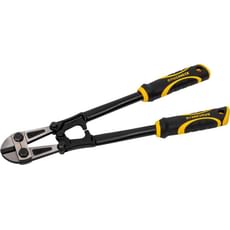
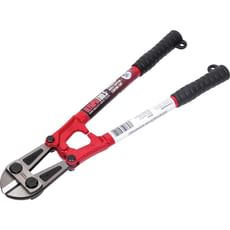
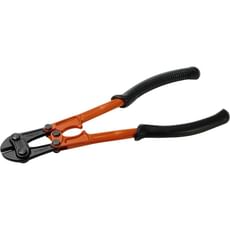
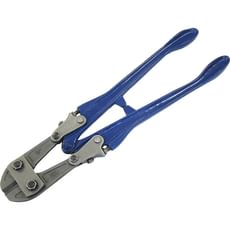
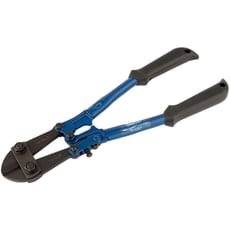
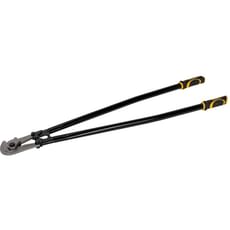
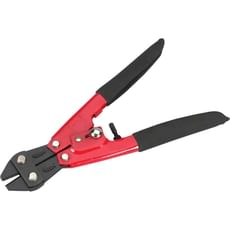
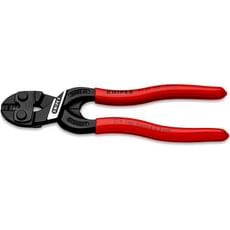
 Loading...
End of content
Error - No more pages to load
About Bolt Cutters
Bolt cutters are indispensable heavy-duty cutting tools that use compound leverage action to shear through tough materials including metal bolts, chains, padlocks, wire mesh, reinforcement bar, and threaded rod. By multiplying the force applied at the handles through a sophisticated lever mechanism, these powerful tools deliver exceptional cutting force at the jaws—typically 15-20 times greater than manual pressure alone. This mechanical advantage makes it possible to cut through materials that would be impossible to sever with standard hand tools, making bolt cutters essential equipment for construction sites, maintenance work, metalworking shops, and emergency access situations.
The comprehensive selection at Tooled-Up.com features bolt cutters from leading manufacturers including Knipex, Bahco, Facom, Draper, Milwaukee, Stanley, and Ridgid, with models ranging from compact 200mm mini cutters to professional-grade 1050mm versions capable of cutting through 13mm hardened steel. Available jaw configurations include centre cut designs for maximum versatility with bolts and chains, clipper cut models with curved jaws optimised for wire and fencing work, and specialist offset bevel cutters for flush cutting against surfaces. Professional options such as Facom's forged axial cut bolt cutters deliver exceptional durability for the most demanding applications.
Whether you're a facilities manager removing old security hardware, a construction professional cutting rebar on-site, a metalworker trimming bar stock, or a fencing contractor working with chain-link mesh, the right bolt cutter transforms difficult cutting tasks into straightforward operations. Handle lengths from 200mm to 1050mm offer cutting capacities to match every requirement, whilst features like tubular arm construction, adjustable jaw tension, and replaceable cutting edges ensure long-term performance and value in professional environments.
Jargon Buster
- Centre Cut Jaws
- The most versatile jaw configuration where material is positioned centrally between flat cutting edges, providing maximum leverage and cutting force for bolts, chain links, padlocks, and general-purpose metalwork applications.
- Clipper Cut (Angle Cut)
- Jaws designed with curved or angled cutting edges specifically optimised for gripping and cutting round materials like wire, cables, and chain-link fencing where the curved profile provides superior holding power.
- Compound Leverage Action
- The mechanical advantage system using pivot points and lever arms to multiply applied force, typically providing cutting forces 15-20 times greater than manual pressure, enabling these tools to shear through hardened materials.
- Cutting Capacity
- The maximum diameter of material (measured in millimetres) that the bolt cutter can effectively shear through, usually specified separately for mild steel, medium steel, and hardened steel to reflect different material resistances.
- Offset Bevel/Flush Cut
- A specialised jaw design where cutting edges are angled at 30° or positioned to allow cutting flush against surfaces, essential for removing protruding bolts or cutting items close to walls, floors, and other obstructions.
- Tubular Arm Design
- Handles constructed from tubular steel rather than solid bar, offering a lighter tool whilst maintaining strength and rigidity, significantly reducing user fatigue during extended use without compromising cutting performance.
Who Uses Bolt Cutters?
- Construction Workers – cutting reinforcement bar (rebar), wire mesh, temporary fencing, and metal fixings on building sites
- Facilities Managers – removing old padlocks, cutting damaged chains, replacing security hardware, and general maintenance work
- Metalworkers and Fabricators – cutting metal rod, bar stock, threaded rod, and various metal profiles in workshops and fabrication shops
- Fencing Contractors – cutting chain-link fencing, wire mesh, metal fence posts, and fence components during installation and repairs
- Electricians – cutting cable trays, metal conduit, cable armour, and electrical enclosure fixings during installation work
- Security Professionals – emergency access situations, lock removal, security installation work, and barrier maintenance
- Agricultural Workers – repairs to gates, fencing, livestock pens, and farm equipment maintenance
- Emergency Services – fire and rescue operations requiring rapid cutting access through chains, padlocks, and metal barriers
- Locksmiths – removing damaged or seized locks, cutting security hardware, and emergency access work
- Demolition Workers – stripping metal fixtures, fittings, and hardware during site clearance and building strip-out
- Plumbers – cutting pipes, metal brackets, and fixings in confined spaces during installation and renovation work
- DIY Enthusiasts – home security projects, garden maintenance, garage workshops, and general property maintenance tasks
How to Choose the Right Bolt Cutters
Handle Length and Cutting Capacity
Bolt cutters range from 200mm mini models to 1050mm professional versions, with handle length directly affecting cutting force and capacity. A 450mm model might cut 6mm mild steel whilst a 900mm version can tackle 13mm hardened steel. Match tool size to your typical materials—construction professionals working with rebar daily need 750-900mm models, whilst electricians cutting cable tray may find 450-600mm versions more practical. Remember that larger models become significantly heavier and require more storage space, so consider your typical applications rather than simply buying the biggest available.
Jaw Type for Your Application
Centre cut jaws offer the most versatility for general bolts, chains, padlocks, and bar stock, making them ideal for maintenance work and general trade use. Clipper cut designs with curved jaws excel at wire, cable, and fencing work where the curved profile grips round materials more effectively. If you're cutting items flush against surfaces—removing protruding bolts or cutting close to walls—choose offset bevel or flush cut models. For the most demanding professional applications involving hardened materials, forged axial cut bolt cutters from brands like Facom offer exceptional durability and cutting performance.
Material Quality and Construction
Professional-grade models from Knipex, Bahco, and Facom feature drop-forged steel jaws with precisely hardened cutting edges, typically around 64 HRC hardness rating at the cutting surfaces. This superior metallurgy significantly outlasts budget alternatives when cutting hardened materials regularly. Handle construction varies—tubular steel designs reduce weight and user fatigue whilst solid handles provide maximum rigidity. Consider your usage pattern: daily professional use justifies premium models from established manufacturers, whilst occasional DIY applications may suit mid-range options from Draper or Stanley.
Jaw Adjustment and Maintenance Features
Better quality bolt cutters feature adjustable jaw tension, allowing you to compensate for wear and maintain optimal cutting performance throughout the tool's working life. Check whether replacement parts are readily available—models with replaceable cutting edges from brands stocked at Tooled-Up offer excellent long-term value for professional users. Bahco's patented jaw adjustment system, for example, provides quick, tool-free adjustment to maintain cutting efficiency as the tool ages.
Ergonomics and Weight Considerations
If you'll be using bolt cutters frequently or in overhead positions, weight becomes crucial for reducing fatigue and maintaining productivity. Tubular arm designs like Facom's 990B series significantly reduce weight whilst maintaining strength. Cushioned grips improve comfort during extended use, and anti-slip coatings are essential for site work in wet conditions. For trade professionals making multiple cuts daily, investing in a lighter, better-balanced model pays dividends in reduced fatigue and improved cutting control.
Popular Accessories
- Replacement Jaws and Cutting Edges – extend tool life and restore cutting performance when edges become worn or damaged
- Bolt Cutter Holsters and Sheaths – protect cutting edges during transportation and storage whilst preventing accidental cuts
- Cutting Oil and Lubricants – reduce friction and heat build-up when cutting metal, prolonging blade life and improving cutting efficiency
- Safety Goggles and Face Protection – essential PPE meeting BS EN 166 standards when cutting metal that may produce flying fragments
- Work Gloves – quality hand protection from DeWalt, Portwest, and Scruffs for improved grip and safety during cutting operations
- Angle Grinders – complementary cutting tools from Milwaukee, Makita, DeWalt, and Bosch for materials beyond bolt cutter capacity
- Hacksaws and Metal Cutting Saws – alternative cutting methods from Bahco and Stanley for precision work requiring controlled cuts
- Tool Storage Solutions – Milwaukee PACKOUT, DeWalt TSTAK, and Makita MakPac systems for organised transportation of cutting tools
Safety Information
Always wear appropriate eye protection when using bolt cutters, as cut metal can produce sharp fragments that may fly towards the user or bystanders at considerable velocity. Safety goggles or face shields meeting BS EN 166 standards are essential personal protective equipment. Inspect cutting edges before each use—damaged or nicked jaws may cause the tool to slip unexpectedly or the material to shatter rather than cut cleanly, creating additional hazards and potential projectiles.
Never exceed the manufacturer's stated cutting capacity, as this can damage the tool's cutting edges and pivot mechanism, potentially causing sudden failure during use. When cutting materials under tension such as springs, chains, or cables, ensure both ends are secured and position yourself clear of potential whip-back. Be particularly cautious with hardened materials like padlock shackles and case-hardened chain, which may shatter rather than cut cleanly, producing sharp fragments.
Wear suitable hand protection and ensure a firm, two-handed grip on both handles throughout the cutting motion. Position yourself with stable footing and never cut above head height where falling material or tool slippage could cause injury. Store bolt cutters safely with protective guards over the jaws to prevent accidental cuts and maintain edge quality. The HSE recommends regular inspection and maintenance of hand tools used in professional environments to ensure continued safe operation and to identify wear or damage before it becomes hazardous.
Frequently Asked Questions
What size bolt cutters do I need for cutting padlocks?
For standard brass or laminated padlocks, 450-600mm bolt cutters with centre cut jaws provide sufficient cutting force. Heavy-duty security padlocks with hardened steel shackles typically require 750-900mm bolt cutters to generate adequate leverage. Always check the cutting capacity specification matches your padlock's shackle diameter—typically 8-10mm for heavy-duty security padlocks. Professional-grade models from Knipex or Facom offer superior performance when cutting hardened shackles regularly.
Can bolt cutters cut through hardened steel chain?
Quality bolt cutters can cut hardened steel, but you'll need a larger model with greater leverage and properly hardened cutting edges. A 900mm professional bolt cutter from established manufacturers can typically cut through 10-13mm hardened steel chain. Budget models may struggle with hardened materials even at larger sizes, as jaw metallurgy and heat treatment are equally important as handle length. For regular work with hardened materials, invest in professional-grade models with cutting edges hardened to approximately 64 HRC.
What's the difference between centre cut and clipper cut bolt cutters?
Centre cut jaws position material centrally between flat cutting edges, providing maximum force concentration for bolts, rods, chain links, and general-purpose metalwork. Clipper cut (or angle cut) jaws feature curved cutting edges that excel at gripping and cutting round materials like wire, cables, and chain-link fencing where the curved profile prevents slippage. Centre cut models are more versatile for general trade use, whilst clipper cut designs are specialists for wire and fencing contractors.
How do I maintain bolt cutters and keep them cutting effectively?
Keep the pivot point clean and lightly oiled with general-purpose tool oil to maintain smooth operation. Never use bolt cutters as a hammer or pry bar, as this damages the jaw alignment and pivot mechanism. If jaws have adjustable tension (like Bahco's patented system), tighten them periodically as wear occurs to maintain optimal cutting performance. Store in a dry location to prevent rust, and consider applying cutting oil to the blades when cutting metal regularly. Replace jaws when cutting performance deteriorates significantly—many professional models offer replacement parts.
Are compact mini bolt cutters worth buying for professional use?
Mini bolt cutters (200-350mm) are excellent for confined spaces, electrical installation work, cable tray cutting, and lighter-duty applications where a full-size tool would be impractical. Models from Draper and other reputable brands can cut wire, small chains, cable ties, and light fixings effectively in tight locations. However, they lack the leverage for serious metal cutting work—construction professionals and metalworkers should maintain a larger model (750-900mm) for demanding applications whilst keeping a mini cutter for accessibility in restricted spaces.