

Bolts

Pay in 3 interest-free payments on purchases from £20-£3000 with  . Learn more.

 Loading...
End of content
Error - No more pages to load
About Bolts
Bolts are fundamental threaded fasteners that form the backbone of construction, engineering, and fabrication work across the UK. Unlike screws that cut their own thread, bolts pass through pre-drilled clearance holes and secure components together using a matching nut on the opposite side. This creates a strong, reversible clamping force ideal for load-bearing applications where materials need to be held together securely yet remain accessible for future disassembly. From structural steelwork in commercial buildings to timber decking installations and precision machinery assembly, bolts provide reliable, predictable fastening performance.
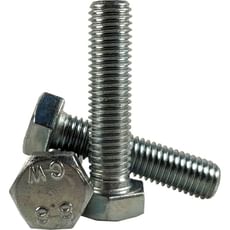
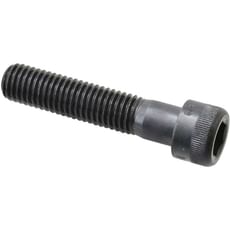
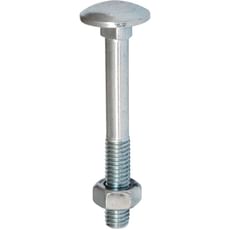
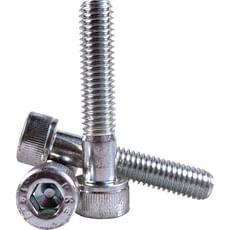
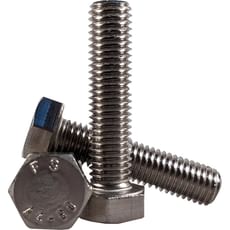
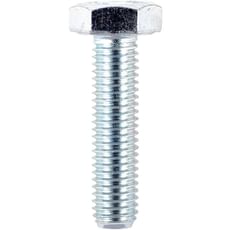
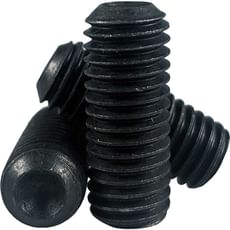
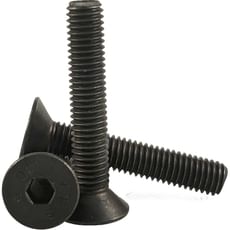
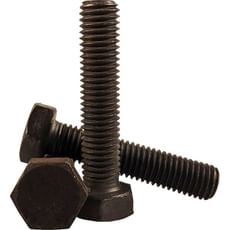
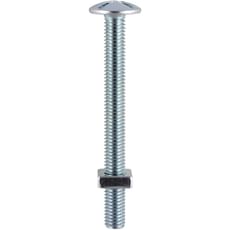
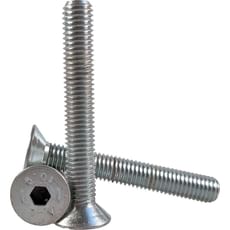
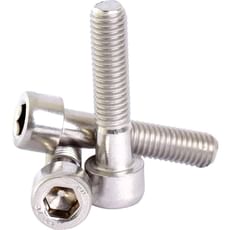
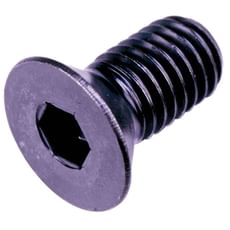
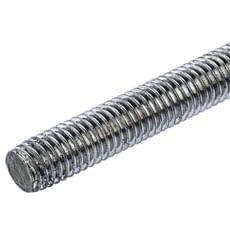
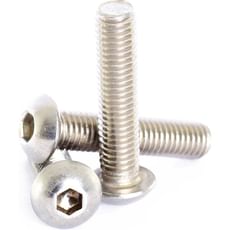
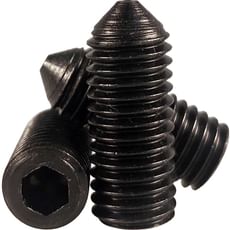
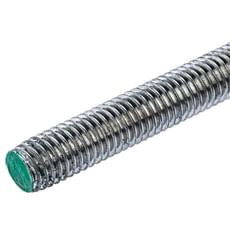
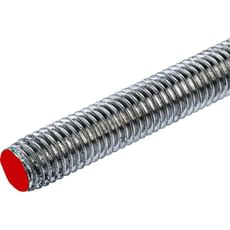
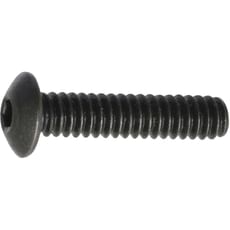
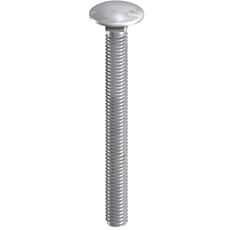
The range available at Tooled-Up.com encompasses everything from standard hexagon bolts for general structural applications to specialised socket cap screws for engineering work requiring low-profile fixings. Coach bolts feature distinctive domed heads and square necks that prevent rotation in timber, whilst roofing bolts come with captive washers and neoprene seals specifically designed for metal cladding installations. Set screws offer fully threaded shanks for maximum adjustment range, and threaded rod provides versatile fastening solutions where custom-length bolts are required. Each bolt type serves specific purposes, with variations in head style, thread configuration, material grade, and surface finish to suit different environments and load requirements.
Material selection and protective finishes distinguish bolts for different applications. Standard zinc-plated steel bolts suit most indoor work and general construction, whilst hot-dip galvanised options provide enhanced corrosion resistance for outdoor installations. Stainless steel bolts, available in both A2 and A4 marine grades, offer superior performance in coastal, chemical, or hygiene-sensitive environments. Leading brands including Fischer and Timco ensure consistent quality and compliance with British and European standards. Whether you're a structural engineer specifying fixings for steelwork, a carpenter securing heavy timbers, or a DIY enthusiast tackling home improvements, selecting the correct bolt specification—considering diameter, length, grade, and finish—ensures safe, durable connections.
Jargon Buster
- Property Class (Grade): Numbers stamped on bolt heads such as 4.6, 8.8, 10.9, or 12.9 indicating tensile strength and yield strength. Grade 8.8 is standard for most structural and engineering work, whilst 10.9 and 12.9 provide high-strength performance for critical applications. The first number indicates tensile strength and the second represents the yield point ratio.
- Thread Pitch: The distance between adjacent threads, measured in millimetres for metric fasteners (e.g., M10 x 1.5). Coarse pitch is standard for most applications, offering easier assembly and better performance in softer materials. Fine pitch threads provide greater strength and more precise adjustment in engineering applications.
- Shank: The unthreaded cylindrical portion of a bolt between the head and threaded section. Partially threaded bolts feature a smooth shank that provides better shear resistance and cleaner clamping in structural applications, whilst fully threaded bolts offer maximum adjustment and are typically used in lighter-duty applications.
- UNC/UNF: Unified National Coarse and Unified National Fine—imperial thread standards measured in threads per inch (TPI). Though metric threads dominate modern UK applications, imperial sizes remain necessary for maintaining older machinery, classic vehicles, and some imported equipment.
- Hot-Dip Galvanised: A corrosion protection process where bolts are immersed in molten zinc, creating a thick protective coating ideal for long-term outdoor exposure. Provides superior protection compared to electroplated zinc finishes, particularly in aggressive environments or where maintenance access is limited.
- Nyloc Nut: A hexagon nut with a nylon insert in the top section that grips the bolt threads, providing vibration resistance and preventing the nut from loosening during service. Essential for automotive, machinery, and applications subject to dynamic loads or continuous vibration.
Who Uses Bolts?
Bolts serve as essential fasteners across virtually every trade and industry:
- Structural Engineers and Steelworkers: Assembling steel frameworks, connecting RSJs and beams, securing structural components with high-tensile hexagon bolts to meet building regulations
- Joiners and Carpenters: Installing heavy timber connections, constructing decking, securing pergolas, and building fencing using coach bolts that won't rotate in timber
- Roofing Contractors: Fixing metal roofing sheets, wall cladding, and gutter brackets with specialist roofing bolts featuring integral washers and weather seals
- Mechanical Engineers and Fitters: Assembling machinery, mounting motors and gearboxes, installing precision equipment using socket cap screws and graded fasteners
- Maintenance Engineers: Equipment servicing, repair work, and component replacement across industrial, commercial, and institutional facilities
- Agricultural and Plant Mechanics: Repairing farm machinery, tractors, and heavy equipment in demanding outdoor environments requiring corrosion-resistant fixings
- Automotive and Vehicle Technicians: Chassis work, suspension repairs, modifications, and restorations requiring specific grades and imperial sizes
- Shopfitters and Installers: Securing racking systems, shelving, retail fixtures, and commercial installations requiring reliable load-bearing connections
- DIY Enthusiasts and Homeowners: General repairs, furniture assembly, garden projects, and maintenance tasks around the home and workshop
How to Choose the Right Bolts
Determine the Correct Diameter: Bolt diameter must suit the structural loads involved. Light-duty applications may only require M6 or M8, whilst most general construction work uses M10 or M12. Heavy structural steelwork often demands M16, M20, or larger. Consider the shear and tensile forces the fastener will experience, and always include appropriate safety factors for critical applications.
Calculate Required Length: Measure the total thickness of materials being joined, add the nut thickness, and ensure at least two to three threads protrude beyond the nut face when properly tightened. This provides visual confirmation of correct assembly and maintains full thread engagement. Remember that bolt length is measured from under the head to the tip for most head styles.
Select Appropriate Thread Length: Partially threaded bolts feature an unthreaded shank that provides better shear resistance and cleaner load distribution—ideal for structural connections. Fully threaded bolts (set screws) offer maximum adjustment range and work well in lighter applications where materials of varying thickness need to be accommodated.
Specify the Correct Grade: Property class markings indicate strength. Grade 4.6 suits non-structural, light-duty work. Grade 8.8 is the standard workhorse for most professional construction, engineering, and structural applications. Grades 10.9 and 12.9 provide high-tensile performance for critical applications including lifting equipment, suspension components, and safety-critical machinery. Never substitute lower grades in applications specifying higher-strength fasteners.
Choose Material and Finish: Standard zinc-plated mild steel bolts suit most indoor applications and offer good value. Hot-dip galvanised bolts provide enhanced corrosion resistance for outdoor construction, agricultural, and infrastructure work. Stainless steel (A2 grade) excels in damp environments and where appearance matters, whilst A4 marine-grade stainless steel resists the harshest coastal and chemical environments. Consider the service life required and environmental exposure throughout the fastener's working life.
Match Head Style to Application: Hexagon head bolts are versatile general-purpose fasteners requiring spanner or socket access from above. Coach bolts feature domed heads with square necks that bite into timber, preventing rotation during tightening. Socket cap screws offer compact, low-profile heads ideal for machinery and confined spaces. Roofing bolts include captive washers and sealing washers specifically designed for metal cladding installations.
Consider Quantity Requirements: Tooled-Up stocks assorted bolt packs that provide excellent value and variety for ongoing projects, van stock, or workshop inventory. For specific large-scale installations or production work, purchasing individual sizes in bulk quantities proves more economical and ensures you have sufficient identical fasteners for the entire project.
Popular Accessories
- Nuts: Hexagon nuts, nyloc nuts with vibration-resistant nylon inserts, flanged nuts with integral washers, and dome nuts for decorative finishes
- Washers: Flat washers for load distribution, spring washers for lock resistance, penny washers for soft materials like timber, and rubber washers for sealing applications
- Thread Locking Compounds: Anaerobic adhesives like Loctite to prevent vibration loosening whilst maintaining removability for future maintenance
- Spanners and Socket Sets: Quality hand tools from Bahco, Wera, and Knipex including combination spanners, ratcheting spanners, and deep sockets for proper installation
- Torque Wrenches: Essential for achieving specified tightening torques in structural steelwork, machinery assembly, and safety-critical applications
- Drill Bits and Hole Cutters: HSS and TCT drill bits from Bosch and DeWalt for preparing accurate clearance holes in metal, timber, and composite materials
- Threading Tools: Taps and dies for cutting threads, thread chasers for cleaning damaged threads, and thread repair kits for stripped holes
- Storage Solutions: Compartment organisers and storage cases from Stanley, DeWalt, and Milwaukee to keep fasteners sorted, accessible, and protected from corrosion
- Impact Drivers and Wrenches: Cordless impact tools from Makita, Milwaukee, and DeWalt for rapid installation in production and construction environments
Frequently Asked Questions
What's the difference between a bolt and a screw?
Bolts pass through clearance holes in components and secure with a nut on the opposite side, creating a clamping force between the materials. Screws typically thread directly into the material itself or into a tapped hole. Bolts generally provide stronger, more predictable connections for load-bearing applications and allow easy disassembly without damaging threads. The distinction isn't always clear-cut—set screws, for example, are technically bolts but are often referred to as screws in common usage.
How do I interpret bolt grade markings?
Property class markings like 8.8 or 10.9 stamped on bolt heads indicate strength characteristics. The first number multiplied by 100 gives the tensile strength in N/mm² (MPa), so an 8.8 bolt has 800 MPa tensile strength. The second number multiplied by 10 represents the yield point as a percentage of tensile strength. Grade 8.8 is standard for most professional structural work, whilst 10.9 and 12.9 suit high-stress applications. Never substitute lower grades in applications specifying higher-strength fasteners, as this compromises safety.
Can I reuse bolts that have been previously tightened?
This depends on the application and bolt grade. Standard structural bolts in non-critical applications can typically be reused if they're in good condition with undamaged threads. However, high-tensile bolts (Grade 10.9 and above) used in critical structural steelwork often undergo plastic deformation when tightened to specification and shouldn't be reused. Bolts exposed to heat, corrosion, or thread damage should always be replaced. When safety is involved, replacement is always the prudent choice.
What does M10 x 1.5 x 60 mean?
This standard metric specification format indicates: M10 is a 10mm diameter thread, 1.5 refers to the thread pitch (1.5mm distance between threads), and 60 is the length in millimetres measured from under the head to the bolt tip. The pitch is sometimes omitted when referring to standard coarse pitch threads, so "M10 x 60" implies the standard 1.5mm pitch for that diameter.
Should I use stainless steel or galvanised bolts for outdoor applications?
Both offer corrosion protection but with different characteristics. Hot-dip galvanised bolts provide excellent protection at lower cost and are ideal for most outdoor construction, agricultural, and infrastructure work. Stainless steel costs more but offers superior corrosion resistance, maintains appearance without the grey patina of galvanising, and performs better in marine or chemical environments. A2 stainless steel suits most outdoor applications, whilst A4 marine grade is necessary for coastal installations. Consider service life requirements, budget, and aesthetic factors when choosing.