

Box Cutters

Pay in 3 interest-free payments on purchases from £20-£3000 with  . Learn more.
 Loading...
End of content
Error - No more pages to load
About Box Cutters
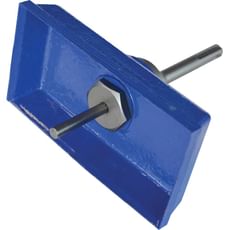
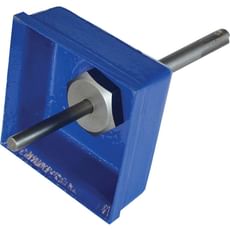
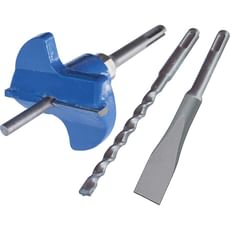
Box cutters, also known as electrical back box cutters or dry lining cutters, are specialised SDS Plus drill bits designed to cut clean, precise holes in walls for installing electrical back boxes. These hollow-design cutting tools create perfectly sized recesses for single and double electrical sockets, switches, and other flush-mounted fittings in plasterboard, drywall, and soft masonry materials. The hollow core design removes material efficiently whilst maintaining accuracy, making them indispensable for modern electrical installation work.
Professional-grade box cutters work exclusively with rotary hammer drills fitted with SDS Plus chucks, combining rotational force with percussive action to cut through materials quickly and cleanly. This eliminates time-consuming manual methods involving multiple tools, reducing installation time whilst ensuring consistent, professional results. The selection at Tooled-Up.com includes various configurations to accommodate different electrical fitting sizes, from single square and double square back boxes to round pattress boxes commonly used for ceiling fittings.
All box cutters feature carbide-tipped cutting edges for exceptional durability when cutting through plasterboard, blockwork, soft brick, and concrete backing materials. Trusted brands like Faithfull manufacture these robust tools to meet the demanding requirements of professional electricians and builders working on domestic and commercial projects throughout the UK, where modern dry lining construction methods are standard practice.
Jargon Buster
- SDS Plus: A standardised drill bit shank system developed for rotary hammer drills, featuring grooves that lock securely into the chuck for rapid bit changes and enhanced power transfer. The "Plus" designation refers to the 10mm shank diameter commonly used in light to medium-duty applications.
- Back Box: A metal or plastic enclosure recessed into a wall that houses electrical components such as sockets, switches, or junction boxes. Standard UK back boxes come in various depths, typically 25mm or 35mm for flush mounting applications.
- Dry Lining: A construction method using plasterboard fixed to timber or metal studwork to create internal walls and ceilings, as opposed to traditional wet plastering techniques. This method is standard in most modern UK building projects.
- Round Back Box: A circular electrical back box, typically used for ceiling roses, light fittings, or pattress-mounted accessories. Also referred to as a ceiling box or pattress box.
- Carbide Tip: The hardened cutting edge on box cutters, made from tungsten carbide for exceptional durability and the ability to cut through tough materials including brickwork, blockwork, and concrete backing.
- Rotation Stop Function: A feature on rotary hammer drills that prevents the bit from rotating whilst maintaining the percussive hammering action, useful for specific applications though not typically required for box cutters.
Who Uses Box Cutters?
Box cutters are essential tools for various trades and professionals involved in electrical installation and building work:
- Electricians and Electrical Contractors: The primary users who require these tools daily for installing sockets, switches, and electrical accessories in both new builds and renovation projects
- Dry Liners and Plasterers: Tradespeople who prepare walls for electrical fittings as part of their finishing work
- General Builders and Contractors: For first-fix electrical preparation and multi-trade projects requiring socket installation
- Shopfitters and Commercial Installers: Professionals working on retail and office fit-outs where multiple electrical points are required
- Property Developers and Renovation Specialists: Those undertaking modernisation projects requiring new electrical installations
- Maintenance and Facilities Teams: For adding or relocating electrical outlets in existing buildings
- Serious DIY Enthusiasts: Homeowners tackling electrical work (with appropriate Part P compliance where required) during home improvements
How to Choose the Right Box Cutters
Box Size and Configuration: Ensure the cutter matches the back box you're installing. Single square boxes (typically 25mm or 35mm deep), double square boxes, and round pattress boxes each require specifically sized cutters. Measure your back boxes before purchasing, as standard UK dimensions vary between manufacturers.
Wall Material: Consider the materials you'll be cutting through. Whilst box cutters excel in plasterboard and dry lining, some are designed with reinforced carbide tips for cutting through harder substrates like brick, blockwork, or backing boards that may sit behind plasterboard.
Drill Compatibility: All box cutters feature SDS Plus fitments, requiring a compatible rotary hammer drill such as those from Makita, DeWalt, Milwaukee, or Bosch. Standard chuck drills are not suitable for these tools and attempting to use adapters creates safety hazards.
Cutting Depth: Check the maximum cutting depth of the box cutter to ensure it accommodates both the plasterboard thickness and the back box depth. Most professional cutters offer sufficient depth for standard UK building practices, but deeper boxes or multiple layers may require longer variants.
Build Quality: Professional-grade box cutters from established brands like Faithfull feature robust construction with hardened cutting edges that maintain sharpness through repeated use, whilst budget alternatives may dull quickly or develop wobble that affects cut quality.
Set Options: Consider purchasing a set containing multiple sizes if you regularly work with various back box configurations. Three-piece sets typically cover the most common requirements and offer better value than buying individual cutters.
Popular Accessories
- SDS Plus Rotary Hammer Drills: Essential power tool for operating box cutters, available from manufacturers including Makita, DeWalt, Milwaukee, and Bosch
- Electrical Back Boxes: Metal and plastic back boxes in single, double, square, and round configurations from brands like MK Electric and Schneider
- Spirit Levels and Laser Levels: For accurately marking box positions before cutting, available from Stanley and Stabila
- Stud Detectors and Cable Finders: Essential safety equipment for locating hidden services before cutting into walls
- Dust Extraction Systems: Vacuum systems that attach to compatible drills to capture cutting debris and comply with COSHH regulations
- Safety Goggles and Dust Masks: Personal protective equipment from brands like Portwest and DeWalt
- Hole Saws and Core Drill Bits: Complementary cutting tools for different applications
- Electrician's Tool Bags and Storage: Organisation solutions from Stanley FatMax, DeWalt TSTAK, and Milwaukee PACKOUT systems
Safety Information
Personal Protective Equipment: Always wear appropriate safety goggles or face protection to guard against flying debris and dust particles. Hearing protection is recommended when operating rotary hammers for extended periods, and dust masks or respirators should be worn in poorly ventilated areas, particularly when cutting masonry materials that produce harmful silica dust. Ensure compliance with HSE guidance on respiratory protective equipment (RPE).
Check for Hidden Services: Before cutting into any wall, use a cable and pipe detector to locate hidden electrical cables, water pipes, and gas lines. Cutting through live cables can cause fatal electric shock, whilst damaging pipes can lead to flooding or gas leaks. This is particularly critical in existing buildings where service routes may not follow modern standards.
Secure the Workpiece: Ensure you have stable footing and the wall surface is suitable for cutting. Be aware that plasterboard on studwork can vibrate significantly, so brace the work area where possible to prevent damage to surrounding surfaces.
Tool Inspection: Check box cutters for damage before use, particularly the cutting teeth and shank. Damaged or worn cutters can bind, causing kickback or producing poor-quality cuts that require additional finishing work. Ensure the SDS fitting clicks securely into the drill chuck.
Electrical Safety: When working on electrical installations, always isolate circuits at the consumer unit and verify the supply is dead using a voltage tester. All electrical work in dwellings must comply with BS 7671 (IET Wiring Regulations) and Building Regulations Part P where applicable.
Frequently Asked Questions
Can I use box cutters with a standard drill?
No, box cutters feature SDS Plus shanks and are designed exclusively for use with SDS Plus rotary hammer drills. Standard chuck drills lack the necessary percussive action and power to operate these cutters effectively or safely. Attempting to use adapters is not recommended as this creates safety hazards.
Will box cutters work on solid brick or block walls?
Whilst box cutters are primarily designed for plasterboard and dry lining applications, quality carbide-tipped versions can cut through soft to medium-density blockwork and brickwork. However, for solid masonry installations, dedicated core drill bits or chase-cutting systems often provide better results, particularly in harder materials.
How do I achieve a clean cut without damaging the surrounding plasterboard?
Mark the box position accurately using a spirit level, then start the drill slowly to establish the cutting circle before increasing to full speed. Apply steady, even pressure without forcing the tool, and support the back of the plasterboard if accessible to prevent breakout. Keep the drill perpendicular to the wall surface throughout the cut.
What's the difference between single and double square box cutters?
Single square box cutters create openings for individual socket or switch back boxes (typically around 70mm square), whilst double square cutters produce larger openings for twin socket back boxes (approximately 140mm wide). Round box cutters are sized differently for circular pattress boxes used with ceiling fittings.
How long do box cutters typically last?
Lifespan depends on usage intensity and the materials being cut. Professional electricians cutting primarily plasterboard can expect dozens of cuts from quality box cutters before sharpness degrades noticeably. Cutting harder materials reduces lifespan considerably. Signs that replacement is needed include slow cutting, burning smells, excessive vibration, or ragged cut edges.