

Braces

Pay in 3 interest-free payments on purchases from £20-£3000 with  . Learn more.
 Loading...
End of content
Error - No more pages to load
About Braces
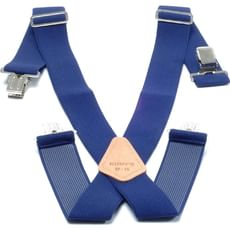
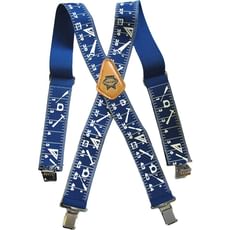
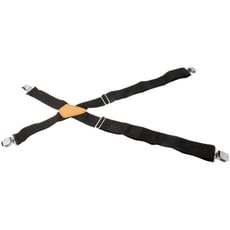
Work braces, also known as suspenders or work trouser braces, are essential comfort and safety accessories for tradespeople who wear heavy tool belts or need reliable support for their work trousers throughout long days on site. Unlike conventional dress braces, professional work braces are engineered to withstand the rigours of construction sites, workshops, and outdoor environments. They're designed with heavy-duty materials, reinforced stitching, and ergonomic features that distribute weight evenly across the shoulders, reducing strain on the lower back and hips whilst keeping trousers securely in position during physically demanding work.
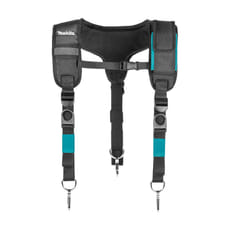
Modern work braces have evolved far beyond simple trouser support. Today's professional-grade braces often incorporate integrated back support systems, padded shoulder straps, quick-release buckles, and even dedicated pouches for mobile phones and small tools. Leading brands like Makita, Milwaukee, Kunys, and Portwest have developed specialised suspension systems that work seamlessly with tool belts and work trousers, creating a complete support solution for carpenters, electricians, plumbers, and general builders who carry significant tool weight throughout their working day. The range at Tooled-Up includes everything from basic heavy-duty trouser braces to comprehensive padded suspension rigs designed specifically for loaded tool belts.
Whether you're looking for basic heavy-duty trouser braces to keep your work trousers up, or a comprehensive padded suspension rig designed to support loaded tool belts, the right braces can make a substantial difference to comfort, posture, and productivity on the job. Many professional tradespeople consider quality work braces as essential as their safety boots, particularly when working in demanding roles that require carrying tools and equipment for extended periods. For those working in high-visibility environments, hi-vis braces with reflective strips provide both support and compliance with HSE safety requirements.
Jargon Buster
- Suspenders: Another term for braces, more commonly used in American English but sometimes applied to work braces in the UK. Refers to straps that go over the shoulders to support trousers or tool belts.
- Padded Shoulder Straps: Wide, cushioned sections that sit on the shoulders to distribute weight more evenly and prevent discomfort from heavy tool belts or loaded work trousers, essential for all-day comfort.
- Quick-Release Buckles: Clips or fasteners that allow rapid attachment and detachment of braces without having to completely remove them, useful for comfort breaks throughout the workday without disrupting your tool setup.
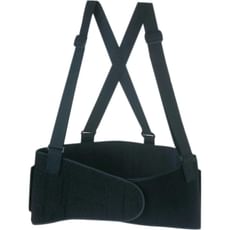
- Back Support System: Integrated lumbar support built into braces that provides additional stability to the lower back, helping to prevent strain when carrying heavy tools or bending repeatedly during site work.
- Suspension Rig: A comprehensive system that combines braces with additional support structures designed to redistribute the weight of tool belts and pouches away from the waist and across the shoulders and torso.
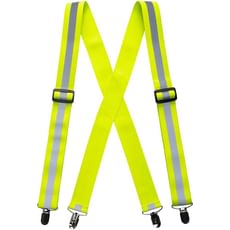
- Hi-Vis Braces: Work braces manufactured with high-visibility fluorescent materials and reflective strips, ensuring the wearer remains visible on site, particularly important for roadside or low-light environments where PPE compliance is essential.
Who Uses Braces?
Professional work braces are widely used across numerous trades and industries where comfort, support, and practicality are essential:
- Carpenters and Joiners: Support heavy tool belts loaded with hammers, nails, measuring tools, and hand tools throughout extended periods of cutting, fitting, and installation work
- Electricians: Distribute weight from tool pouches containing cable cutters, testers, screwdrivers, and hand tools whilst working in confined spaces or on ladders
- Plumbers and Heating Engineers: Carry pipe cutters, wrenches, and other essential tools whilst maintaining comfort throughout the day when crawling under sinks or working in awkward positions
- General Builders: Support versatile tool setups required for varied construction tasks from groundwork to finishing
- Roofers: Keep trousers secure and tool belts supported when working at height where safety and comfort are paramount
- Landscapers and Groundworkers: Maintain comfort during physical outdoor work with tool-laden belts in all weather conditions
- Maintenance Technicians: Support portable tool kits whilst moving between jobs throughout facilities, factories, or commercial premises
- DIY Enthusiasts: Anyone undertaking significant home renovation or construction projects who needs proper support for extended work periods
How to Choose the Right Braces
Selecting appropriate work braces depends on several important factors that will affect comfort, durability, and functionality:
Weight Capacity and Support: Consider the total weight of your tool belt when loaded. Basic trouser braces suit lighter applications, whilst padded suspension rigs from brands like Milwaukee and Makita are engineered for heavy-duty tool belts that can weigh several kilograms. If you regularly experience lower back discomfort, look for braces with integrated back support systems that provide lumbar stabilisation throughout the working day.
Padding and Comfort: Shoulder padding is crucial if you wear your braces for full working days. Wider, well-padded straps distribute weight more effectively and prevent shoulder soreness. Breathable materials help manage perspiration during physical work, particularly important during summer months or indoor work environments. Tooled-Up stocks braces from Kunys and Makita featuring advanced padding systems designed specifically for tradesperson comfort.
Adjustment and Fit: Quality work braces should offer substantial adjustment range to accommodate different body types and clothing layers. Look for easily accessible adjustment points that you can fine-tune throughout the day. Quick-release buckles are invaluable for convenience without compromising security, allowing you to remove your braces quickly during breaks whilst maintaining your tool belt setup.
Compatibility: Ensure your chosen braces will attach properly to your existing work trousers or tool belt system. Some braces feature standard clips suitable for most trouser designs, whilst others are specifically designed to integrate with particular tool belt brands or professional workwear ranges from manufacturers like Snickers or DeWalt. Check attachment methods before purchasing to ensure compatibility with your current workwear.
Durability and Construction: Examine the quality of stitching, buckles, and materials. Professional-grade braces from established brands like Kunys, Faithfull, Draper, and Portwest typically feature reinforced stress points, heavy-duty elastic or webbing, and corrosion-resistant metal components designed to withstand daily site conditions including exposure to dust, moisture, and rough handling.
Safety Features: For work on roads, highways, or in low-light conditions, hi-vis braces with reflective strips are essential for meeting HSE visibility requirements. Some models also incorporate built-in phone holders or small tool pouches for added convenience, keeping essential items accessible without adding bulk to your tool belt.
Popular Accessories
Enhance your comfort and efficiency with these complementary products available from Tooled-Up.com:
- Tool Belts and Pouches: Professional tool storage systems from Kunys, Makita, and Milwaukee designed to work with suspension braces for optimal weight distribution
- Work Trousers: Specialist tradesman trousers with reinforced loops and attachment points compatible with braces from brands like Snickers, Scruffs, and DeWalt
- Lumbar Support Belts: Additional back support accessories that can be worn alongside or integrated with braces for enhanced lower back protection
- Knee Pads: Complete your comfort setup for trades requiring frequent kneeling such as flooring, tiling, or plumbing work
- Hi-Vis Vests and Jackets: Complement hi-vis braces for comprehensive site visibility meeting full PPE requirements
- Tool Belt Accessories: Hammer holders, tape measure clips, drill holsters, and additional pouches to optimise your carrying system
- Work Belts: Quality leather or synthetic belts that provide the foundation for attaching tool pouches and braces securely
Safety Information
Whilst work braces themselves are comfort and support accessories, proper use contributes significantly to workplace safety and health:
Back Health: According to HSE guidance, manual handling injuries, including back strain from carrying heavy tools, account for significant workplace absences. Quality braces that properly distribute weight across the shoulders can help reduce strain on the lumbar region and promote better posture throughout the working day. This is particularly important for tradespeople carrying tool belts weighing several kilograms during extended shifts.
Load Management: Even with excellent braces, be mindful of total tool weight carried. Regularly review your tool belt contents and remove unnecessary items. Braces are a support aid, not a solution for carrying excessive weight that exceeds safe manual handling limits. HSE guidelines recommend minimising carried weight wherever practical and using mechanical assistance for heavier loads.
Visibility on Site: When working on roads, highways, or construction sites, hi-vis braces help ensure you meet visibility requirements. However, braces alone don't typically satisfy full PPE requirements – they should complement, not replace, proper hi-vis vests or jackets as required by site regulations and risk assessments. Always check specific site requirements before commencing work.
Regular Inspection: Check your braces regularly for signs of wear, particularly at stress points, buckles, and attachment clips. Damaged or worn braces may fail unexpectedly, potentially causing tool belts to drop or creating trip hazards. Replace braces showing significant wear, fraying, or stretched elastic before failure occurs to maintain both comfort and safety standards.
Frequently Asked Questions
Do I really need work braces if I have a good tool belt?
If your tool belt weighs more than a couple of kilograms when loaded, braces significantly improve comfort and reduce strain on your lower back and hips. Many professional tradespeople find that braces transform their comfort levels during long working days, preventing the fatigue and discomfort associated with weight concentrated at the waist. Suspension rigs from Milwaukee or Makita can redistribute 5-10kg of tool weight from your waist to your shoulders, dramatically reducing lower back stress.
What's the difference between basic trouser braces and a padded suspension rig?
Basic trouser braces simply hold your work trousers up, whilst padded suspension rigs are engineered systems designed to support heavy tool belts by distributing weight across your shoulders and upper body. Suspension rigs typically feature wider padded straps, integrated back support, and specific attachment points for tool belt systems. Choose basic braces for lighter work or trouser support, and invest in suspension rigs if you regularly carry loaded tool belts weighing more than 3-4kg.
Can I wear work braces with any work trousers?
Most work braces feature adjustable clips or buttons that attach to standard trouser loops or waistbands. However, for optimal performance, particularly with heavy-duty suspension systems, look for work trousers specifically designed with reinforced attachment points. Brands like Snickers and Scruffs offer workwear ranges designed to integrate seamlessly with professional braces, providing secure attachment points that won't tear or distort under load.
How should work braces fit properly?
Braces should hold your trousers comfortably at your natural waist without pulling upward excessively. Straps should sit flat on your shoulders without digging in, and you should be able to move, bend, and reach freely. Most quality braces offer substantial adjustment – take time to fine-tune the fit at the start of your day, as proper adjustment is crucial for comfort during extended wear. If straps dig into your shoulders or slip off, readjust the length until weight distribution feels balanced.
Are expensive branded braces worth the investment?
Professional-grade braces from established brands like Milwaukee, Makita, and Kunys typically feature superior materials, reinforced construction, better padding, and more thoughtful ergonomic design than budget alternatives. For tradespeople wearing braces daily, the investment in quality products pays dividends in durability, comfort, and reduced physical strain over years of use. Premium braces often last several years of daily site work, making the cost per wear very economical compared to cheaper options requiring frequent replacement.