

Brads & Nails
Pay in 3 interest-free payments on purchases from £30-2000 with  . Learn more.
 Loading...
End of content
Error - No more pages to load
About Brads & Nails
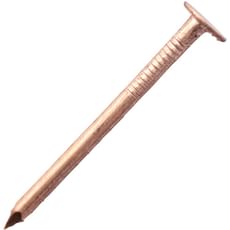
Brads and nails represent the cornerstone of mechanical fastening in construction, carpentry, and finishing trades across the UK. From heavy-duty round wire nails driving structural timber frames together to delicate brad nails securing architrave without a trace, this comprehensive category covers every nailing application a tradesperson or DIY enthusiast might encounter. Whether you're fixing roof battens with clout nails, installing skirting boards with panel pins, or securing decking with galvanised fixings, selecting the correct nail type, gauge, and coating ensures lasting strength and professional results that stand the test of time.
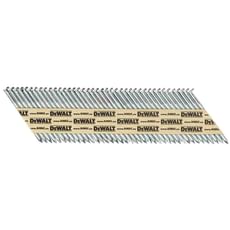
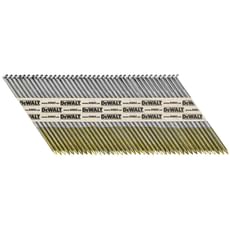
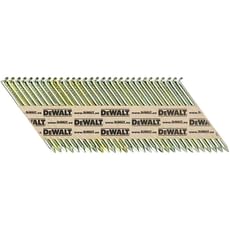
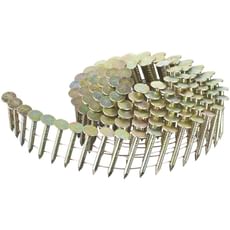
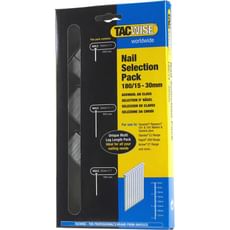
The range at Tooled-Up.com encompasses both traditional loose nails for hammer fixing and collated nails designed for pneumatic and cordless nail guns from leading manufacturers including Makita, DeWalt, and Milwaukee. Specialist options include hardened masonry nails for fixing into brick and concrete substrates, press point staples for upholstery and insulation work, and assorted nail packs that provide variety without committing to bulk quantities. Understanding the distinctions between nail types, shank designs, head profiles, and protective coatings allows tradespeople to match fasteners precisely to materials, environments, and structural requirements.
Professional carpenters, joiners, roofers, and shop fitters rely on consistent nail performance for productivity and quality assurance, whilst DIY enthusiasts benefit from the same professional-grade fixings when tackling home improvement projects. With options ranging from bright steel panel pins for interior cabinetry to hot-dip galvanised clout nails for external roofing applications, this category delivers the mechanical fastening solutions required across every sector of the building and woodworking trades.
Jargon Buster
- Gauge
- The diameter or thickness of a nail, typically expressed in standard wire gauge (SWG) or millimetres. Lower gauge numbers indicate thicker, stronger nails with greater holding power but increased risk of splitting timber, particularly near edges or in hardwoods.
- Collated Nails
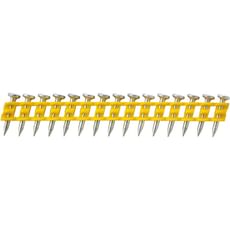
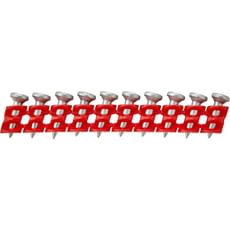
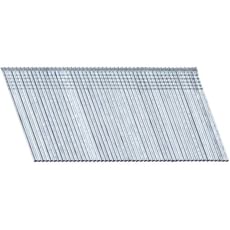
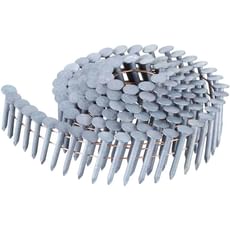
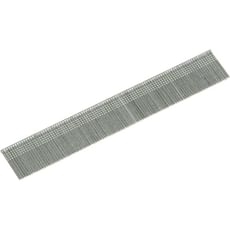
- Nails joined together in strips or coils using paper, plastic, or wire collation, designed specifically for pneumatic or cordless nail guns. The collation angle (commonly 20°, 21°, 28°, or 34°) must match your nailer's magazine specification for safe, reliable operation.
- Brad Nails
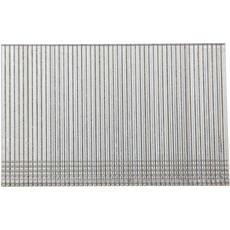
- Slender 18-gauge finishing nails featuring small heads that punch below the timber surface for concealment. Ideal for fixing delicate mouldings, architrave, beading, and trim work where visible fixings would compromise the finished appearance.
- Galvanised Coating
- A protective zinc coating applied to prevent rust and corrosion. Hot-dip galvanising provides superior long-term protection for external applications and treated timber, whilst electro-galvanised (EG) finishes suit interior environments and lighter-duty applications.
- Lost Head
- Nails with minimal head diameter that can be driven below the timber surface using a nail punch, then filled over to create invisible fixing points essential for high-quality finishing work in joinery and cabinetry.
- Shank Profile
- The design of the nail shaft between head and point. Smooth shanks allow easy driving, ring-shank nails feature circular grooves for increased pull-out resistance, whilst helically-threaded (twisted) shanks provide maximum grip in softer materials like chipboard and MDF.
Who Uses Brads & Nails?
Brads and nails serve as essential fasteners across numerous trades and applications:
- Carpenters and Joiners – structural framing, first and second fix work, staircase installation, and fitted furniture assembly
- Roofers – securing roofing felt, battens, sarking boards, and timber roof structures with clout nails and specialised roofing fixings
- Shop Fitters – installing retail display units, cladding panels, decorative trim, and point-of-sale fixtures
- Floor Layers – fixing solid wood floorboards, tongue-and-groove flooring, underlay, and hardwood floor systems
- Furniture Makers – assembling cabinets, drawers, boxes, and fine joinery using panel pins and brad nails for discreet fixings
- Landscapers – constructing fencing, decking, pergolas, and garden structures requiring galvanised or stainless steel fixings
- General Builders – site work requiring fast, reliable mechanical fixings for formwork, temporary structures, and general carpentry
- Upholsterers – fixing fabric, hessian, and padding materials with tacks and press point staples
- Maintenance Teams – repairs, refurbishment work, and property maintenance requiring versatile fastening solutions
- DIY Enthusiasts – home improvement projects, woodworking hobbies, garden construction, and general household repairs
How to Choose the Right Brads & Nails
Material and Application: Match nail type to substrate and structural requirements. Round wire nails suit general carpentry and framing, brad nails excel at trim work and mouldings, clout nails provide large heads for roofing felt and sheet materials, whilst hardened masonry nails penetrate brick, block, and concrete substrates. Panel pins offer discreet fixings for cabinetry and delicate joinery.
Length and Penetration Depth: As a general rule, nails should penetrate at least two-thirds of their length into the base material for adequate holding power. When fixing 12mm architrave to timber door linings, 40-50mm brad nails provide sufficient penetration without risk of breakthrough. For structural applications, longer nails ensure load-bearing capacity meets building regulations.
Gauge and Head Design: Thicker gauge nails deliver superior holding strength but increase splitting risk, particularly in hardwoods or near timber edges. Slender brad nails and panel pins minimise splitting in decorative mouldings, whilst large flat clout heads distribute load effectively across roofing felt and similar sheet materials. Lost head nails punch below surfaces for invisible fixings after filling.
Coating and Environmental Protection: Interior applications typically require bright (uncoated) or electro-galvanised nails, whilst external or damp environments demand hot-dip galvanised or stainless steel fixings to prevent corrosion. Pressure-treated timber requires compatible coatings to avoid chemical reactions that accelerate corrosion. Check timber treatment certificates for fastener recommendations.
Fixing Method Compatibility: Consider whether you're hand-nailing with a hammer or using pneumatic nailers from brands like Makita, DeWalt, or Milwaukee. Collated nails must match your tool's magazine angle (typically 20°, 21°, 28°, or 34°) and collation type. Tooled-Up stocks compatible collated fasteners for all major nail gun manufacturers, ensuring reliable feeding and consistent performance.
Quantity and Pack Options: Professional tradespeople working on large projects benefit from bulk packs of frequently used sizes, reducing unit costs and minimising restocking interruptions. DIY users and maintenance teams may prefer assorted nail packs containing various types and lengths, providing flexibility across different tasks without investing in large quantities of individual specifications.
Popular Accessories
- Nail Guns and Nailers – pneumatic and cordless models from Makita, DeWalt, Milwaukee, and Bosch for rapid, consistent fixing with reduced user fatigue
- Air Compressors – portable and site compressors providing compressed air for pneumatic nail guns and other air tools
- Hammers – claw hammers, pin hammers, framing hammers, and cross-pein hammers from Stanley and Bahco for traditional hand-nailing
- Nail Punches – various diameters for countersinking lost head nails below timber surfaces prior to filling
- Adhesives and Construction Glues – PVA wood glue and grab adhesives complementing mechanical fixings for enhanced joint strength
- Wood Filler – for concealing nail heads and creating invisible finish work in painted or stained timber
- Safety Glasses and Gloves – essential PPE meeting EN166 standards when hand-nailing or operating nail guns
- Tool Bags and Storage – Stanley FatMax, DeWalt TSTAK, and Milwaukee PACKOUT systems for organised fastener storage on site
- Magnetic Wristbands – keeping nails readily accessible during overhead work or awkward fixing positions
- Cable and Pipe Detectors – essential safety equipment for locating hidden services before nailing into walls, floors, and ceilings
Safety Information
Working safely with nails and nailing equipment prevents serious injury. Always wear eye protection meeting EN166 standards when hammering or operating nail guns, as nails can ricochet or fragment upon contact with hard materials or concealed metal fixings. Safety glasses provide essential protection against flying debris and nail fragments.
When using pneumatic or cordless nail guns, never disable safety mechanisms or point the tool towards yourself or others. Ensure you receive proper training in nailer operation and follow manufacturer guidelines regarding operating pressures, compatible fasteners, and maintenance schedules. According to HSE guidance, nail gun injuries are preventable through proper training, maintained equipment, and adherence to safe working practices. Keep fingers clear of the nailing point and maintain firm contact with the work surface.
Wear appropriate gloves when handling nails in bulk to prevent cuts and splinters from sharp points and edges. When nailing overhead or in awkward positions, ensure secure footing using platforms or step-ups rather than overreaching, which compromises balance and accuracy. Keep work areas clear of trip hazards and ensure adequate lighting for precision work.
Always check for hidden cables and pipes before driving nails into walls, floors, or ceilings using a cable and pipe detector. Striking buried services presents serious electrocution and flooding risks. When working with pressure-treated timber or using galvanised fixings, ensure adequate ventilation as some coatings release fumes when heated through friction during driving. Dispose of damaged or bent nails safely to prevent puncture injuries.
Frequently Asked Questions
What's the difference between brad nails and panel pins?
Brad nails are typically 18-gauge (1.25mm diameter) fasteners designed for pneumatic brad nailers, commonly used in trim work and fine carpentry applications. Panel pins are similar slender nails but usually hand-driven and available in smaller sizes down to 12mm length for delicate work. Both create minimal visible fixing points ideal for decorative mouldings, beading, and finishing work where concealment is essential.
Can I use galvanised nails with pressure-treated timber?
Standard electro-galvanised nails may react with preservative chemicals in pressure-treated timber, causing accelerated corrosion and staining. For treated timber applications, use hot-dip galvanised or stainless steel fixings specifically approved for use with preservative-treated wood. Always check timber treatment certificates for fastener compatibility recommendations and coating requirements.
What size nail should I use for fixing skirting boards?
For standard 18-20mm skirting boards fixed to timber grounds or battens, use 50-65mm lost head nails or oval brads. When fixing directly to masonry walls, masonry nails or proprietary skirting fixings provide superior holding power. Brad nailers loaded with 50mm 18-gauge brad nails offer the fastest, neatest fixing method with minimal surface damage requiring filling.
Are collated nails compatible across different nail gun brands?
Collated nails must precisely match your specific nail gun's collation angle, shank diameter, head style, and length capacity. A Makita 34° framing nailer requires different collated nails than a DeWalt 21° model, and mixing incompatible fasteners causes jamming, misfiring, and safety hazards. Always verify your tool's specification plate and purchase compatible collated fasteners from the manufacturer or approved suppliers.
How do I prevent timber splitting when nailing near edges?
Reduce splitting risk by pre-drilling pilot holes approximately 75% of the nail diameter, particularly in hardwoods, MDF, or when nailing within 25mm of board edges or ends. Use smaller gauge nails where structural requirements allow, or reposition fixings further from edges. Blunting the nail point slightly with a hammer tap causes the nail to crush timber fibres rather than wedging them apart, significantly reducing splitting in vulnerable grain patterns.