

Brake Service Tools
Pay in 3 interest-free payments on purchases from £30-2000 with  . Learn more.









 Loading...
End of content
Error - No more pages to load
About Brake Service Tools
Brake service tools represent an essential category of specialist automotive equipment designed for the maintenance, repair, and servicing of vehicle braking systems. From independent garages handling multiple brake jobs daily to home mechanics tackling their own vehicle maintenance, having the correct brake-specific tools ensures safety-critical work is completed to professional standards. This comprehensive category encompasses everything from brake caliper wind back tools and bleeding kits to brake pipe flaring equipment and digital fluid testers—specialist tools that general automotive tool sets simply don't include.
The selection at Tooled-Up.com features leading automotive tool brands including Draper, Sealey, and Facom, with both pneumatic and manual options to suit different workshop environments. Modern vehicles increasingly feature complex braking systems with ABS, electronic stability control, and electric parking brakes, all requiring specific tools for proper servicing. Brake caliper wind back kits have become essential equipment rather than optional extras, as many contemporary vehicles feature pistons that must be rotated clockwise or anticlockwise whilst being compressed during pad replacement. Similarly, digital brake fluid testers have become invaluable for quickly assessing brake fluid condition, helping prevent system failures and ensuring vehicle safety standards are maintained.
From basic brake bleeding kits suitable for straightforward maintenance tasks through to comprehensive 39-piece brake piston wind back kits covering virtually every vehicle application, this category provides the specialist equipment professional technicians and serious DIY enthusiasts require. Whether servicing disc brakes, drum brakes, or the latest electronic parking brake systems, having proper brake service tools ensures jobs are completed efficiently whilst maintaining the critical safety requirements that brake work demands.
Jargon Buster
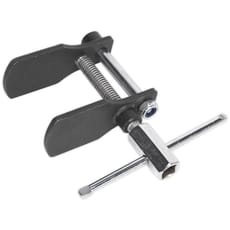
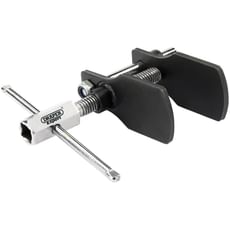
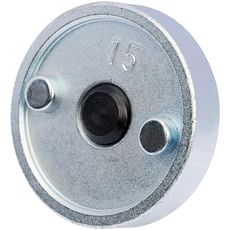
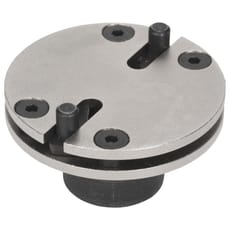
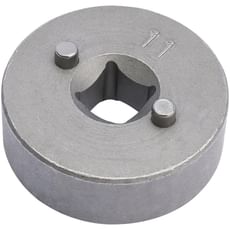
- Brake Caliper Wind Back Tool: A specialist tool designed to retract brake pistons back into their caliper housings, essential when fitting new brake pads. Many modern vehicles require pistons to be simultaneously pushed and rotated in a specific direction, making these tools indispensable for proper brake servicing rather than attempting to force pistons back with incorrect methods.
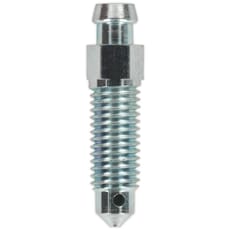
- Brake Bleeding: The process of removing air bubbles from hydraulic brake lines to restore proper pedal feel and braking efficiency. Air in the brake system is compressible, leading to a spongy brake pedal and significantly reduced braking performance. Proper bleeding ensures hydraulic fluid fills the entire system without air pockets.
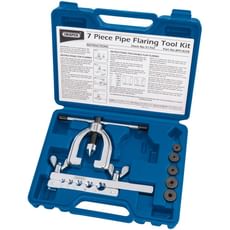
- Brake Pipe Flaring: The technique of shaping the end of a brake pipe to create a secure, leak-proof connection with brake components. Double flaring is the UK standard for brake lines, creating a rolled edge that ensures safe and reliable brake fluid containment under the high pressures generated during braking.
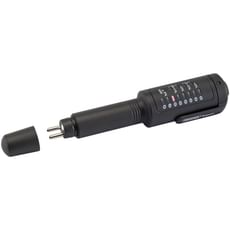
- Hygroscopic Properties: Brake fluid's tendency to absorb moisture from the atmosphere over time, which progressively lowers its boiling point and can lead to brake fade or internal system corrosion. Regular testing and replacement prevents these safety issues and maintains braking performance.
- Pneumatic Brake Tools: Air-powered brake service tools that connect to workshop air compressor systems, offering greater power and faster operation than manual equivalents—ideal for professional workshops handling multiple vehicles daily where speed and reduced physical effort improve productivity.
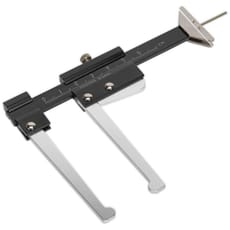
- Brake Pad Thickness Gauge: A precision measuring instrument used to determine remaining brake pad material thickness, helping assess whether pads require replacement and ensuring compliance with MOT testing requirements for minimum pad thickness specifications.
Who Uses Brake Service Tools?
- Independent Garages and Workshops: Professional mechanics servicing all vehicle makes and models require comprehensive brake tool collections to handle diverse manufacturer requirements efficiently and safely.
- Mobile Mechanics: Tradespeople visiting customer locations need portable, reliable brake service equipment that functions effectively without mains power or fixed workshop facilities where necessary.
- MOT Testing Stations: Facilities conducting statutory vehicle inspections use brake fluid testers and measuring equipment to assess brake system condition and compliance with safety standards.
- Fleet Maintenance Departments: Companies maintaining their own commercial vehicle fleets require professional-grade brake tools for routine servicing schedules and emergency repairs to minimise vehicle downtime.
- Classic and Performance Car Enthusiasts: Home mechanics working on their own vehicles need proper brake service tools to maintain safety-critical braking systems correctly, particularly on older vehicles requiring more frequent maintenance.
- Agricultural and Plant Engineers: Technicians servicing commercial vehicles, tractors, and heavy machinery require robust brake service equipment designed for larger, more demanding braking systems.
- Motorsport Technicians: Racing teams and competition vehicle preparers need precision brake tools for performance brake system setup, maintenance, and trackside repairs where reliability is paramount.
- Vehicle Restoration Specialists: Professionals restoring classic and vintage vehicles often need brake pipe flaring tools and traditional brake service equipment for fabricating and repairing older braking systems.
How to Choose the Right Brake Service Tools
Consider Your Workshop Setup: Pneumatic brake tools offer superior power and faster operation for busy professional workshops with existing compressor systems, whilst manual tools provide portability and independence from air supply for mobile mechanics or home workshops. Evaluate your typical workload and available facilities before investing in equipment.
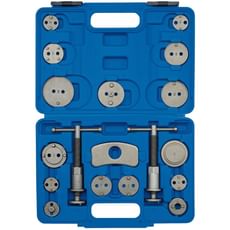
Vehicle Coverage Requirements: Comprehensive brake caliper wind back kits with multiple adaptors ensure compatibility across different vehicle manufacturers and models. Professional workshops servicing diverse vehicles should opt for extensive kits covering 16 pieces or more, whilst DIY enthusiasts working on specific family vehicles may manage with smaller, targeted sets. Verify that wind back tools include both push-and-turn mechanisms and simple push-back options to cover different caliper designs.
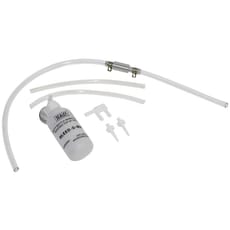
Brake Bleeding Method: Traditional one-person bleeding kits with one-way valves offer cost-effective solutions for occasional use, whilst pressure bleeding systems provide faster, more thorough results for professional environments. Consider whether you'll typically be working alone or with assistance, as this affects the type of bleeding equipment most suitable for your requirements and workflow.
Diagnostic Capabilities: Digital brake fluid testers available from Tooled-Up provide instant, accurate readings of fluid condition—essential for professional workshops offering comprehensive service packages and MOT preparation work. Basic testers suit home mechanics performing routine maintenance, whilst advanced models with printer functions create documented records for customer files and workshop compliance purposes.
Quality and Durability Considerations: Brake work involves safety-critical systems where tool failure simply isn't acceptable and can have serious consequences. Invest in reputable brands like Draper, Sealey, and Facom that offer proper warranties and proven reliability in professional environments. Cheaper alternatives may appear economical initially but can fail during use, potentially causing expensive vehicle damage or necessitating repeat purchases.
Storage and Organisation: Look for tools supplied in organised cases that protect equipment and keep multiple small components together. Brake service tool kits include numerous adaptors, pins, and fittings that are easily misplaced; proper storage systems maintain workshop efficiency and prevent frustrating searches mid-job when components go missing.
Popular Accessories
- Brake Cleaner Spray: Essential aerosol cleaners for removing brake dust, oil contamination, and debris before servicing work begins, ensuring clean working conditions.
- Copper Grease: High-temperature lubricant preventing brake component seizure and facilitating future maintenance by protecting sliding surfaces and threads.
- Brake Fluid (DOT 3, DOT 4, DOT 5.1): Replacement hydraulic fluid meeting various vehicle manufacturer specifications for different braking system requirements.
- Brake Bleeding Bottles and Tubes: Replacement components for brake bleeding kits ensuring clean, efficient fluid changes and proper system maintenance over time.
- Torque Wrenches: Precision tools ensuring brake caliper mounting bolts and wheel fixings meet exact manufacturer torque specifications for safety-critical fasteners.
- Inspection Mirrors and Work Lights: Lighting and viewing equipment for examining brake components, pad thickness, and pipe condition in confined wheel arch spaces.
- Nitrile Gloves: Chemical-resistant protective gloves essential when handling corrosive brake fluid that damages skin and paintwork on contact.
- Workshop Rags and Absorbent Pads: Cleaning materials for managing brake fluid spills and maintaining clean, safe working areas during brake servicing procedures.
- Brake Pad Spreaders: Additional tools for safely separating brake pads and creating clearance when removing wheels and accessing brake components.
Safety Information
Brake Fluid Handling: Always wear appropriate nitrile gloves and eye protection when working with brake fluid, as it's highly corrosive to skin, eyes, and vehicle paint finishes. Work in well-ventilated areas and follow COSHH regulations for handling and disposal of used brake fluid. Never reuse old brake fluid regardless of appearance, and ensure proper disposal through authorised waste facilities rather than pouring down drains.
Vehicle Support: Brake work requires wheels to be removed, making proper vehicle support absolutely critical for personal safety. Always use rated axle stands appropriate for the vehicle weight—never rely solely on hydraulic jacks which can fail. Ensure the vehicle is positioned on level, solid ground and that the handbrake is applied (when not working on rear brakes) with wheels chocked to prevent movement.
System Pressure Awareness: Brake systems operate under significant hydraulic pressure that can cause injury. Before disconnecting any brake lines or components, ensure pressure is released and follow proper bleeding procedures to prevent brake fluid spray injuries. Be particularly cautious with ABS-equipped systems, which may retain pressure even when the engine is switched off.
Tool Condition Inspection: Inspect brake service tools before each use, checking for worn threads, damaged adaptors, compromised seals on bleeding equipment, or cracks in components. Faulty tools can damage expensive brake components or, more seriously, result in improperly serviced brakes that fail during vehicle operation. Replace any questionable equipment immediately rather than risking failure.
Post-Service Testing Procedures: After any brake servicing work, always test the brake pedal feel before moving the vehicle, pumping several times to ensure proper pressure builds up. Conduct controlled low-speed stopping tests in a safe area before returning vehicles to customers or normal road use. This critical final check can prevent accidents resulting from air remaining in the system or incorrectly fitted components.
Frequently Asked Questions
Do I need different brake caliper wind back tools for different vehicles?
Yes, different vehicle manufacturers use various caliper piston designs requiring specific adaptors and techniques. Some pistons push straight back into the caliper housing, whilst others must be rotated clockwise or anticlockwise whilst simultaneously being pushed. Comprehensive kits with 16 or more pieces cover most common vehicles, but always verify your specific vehicle requirements before starting work. Many modern vehicles, particularly German and Japanese models, require the wind-back rotation method rather than simple compression, making universal kits essential for professional workshops.
How often should brake fluid be tested and replaced?
Most vehicle manufacturers recommend brake fluid replacement every two years regardless of mileage, as brake fluid's hygroscopic nature means it absorbs atmospheric moisture over time, reducing its boiling point and effectiveness. Digital brake fluid testers provide instant condition assessment, measuring moisture content or boiling point degradation. Regular testing is especially important for vehicles used in demanding conditions, those approaching MOT testing dates, or vehicles that have been standing unused, as contaminated fluid affects braking performance and can cause MOT failure on safety grounds.
Can I bleed brakes without specialist tools?
Whilst traditional two-person bleeding using the brake pedal is technically possible, specialist bleeding kits make the job significantly easier, faster, and more thorough with better results. One-person bleeding kits with one-way valves prevent air re-entering the system during the process, whilst pressure bleeding systems provide the most professional results with minimal risk of introducing additional air. For modern vehicles equipped with ABS and electronic brake distribution systems, proper bleeding equipment often becomes essential rather than optional to achieve correct results and proper system function.
What's the difference between pneumatic and manual brake caliper wind back tools?
Pneumatic tools connect to workshop air compressor systems, offering significantly faster operation and requiring less physical effort—ideal for professional workshops handling multiple brake jobs daily where speed and efficiency matter. Manual tools require hand operation using ratchet or turning mechanisms but offer excellent portability, lower initial cost, and complete independence from compressed air supplies. Both types achieve the same end results when used correctly; your choice depends primarily on workshop setup, available budget, and typical workload volume.
Are brake pipe flaring tools difficult to use for beginners?
Modern brake pipe flaring kits include comprehensive instructions and are designed for reliable, repeatable results with practice and careful attention to detail. Creating proper double flares meeting UK standards requires correct pipe preparation, accurate measurement, and following the step-by-step process, but the tools themselves guide the flaring operation. Practice on spare pipe sections before attempting repairs on actual vehicles to develop confidence and technique. Professional-quality flaring tools from established brands like Draper and Sealey provide consistent results and include everything needed for brake pipe fabrication and repair work, making them worthwhile investments for regular brake servicing.