

Einhell Sanding Belts
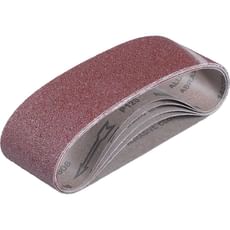
 Loading...
End of content
Error - No more pages to load
Einhell Sanding Belts at Tooled-Up.com
Einhell has established itself as a trusted name in power tool accessories, and their sanding belts exemplify the brand's commitment to delivering professional-grade performance at accessible prices. Designed to complement Einhell's renowned range of belt sanders, these abrasive accessories are engineered for durability, consistent material removal, and exceptional surface finishing across wood, metal, and composite materials. Whether you're smoothing rough timber, preparing surfaces for painting, or removing old finishes, Einhell sanding belts deliver the reliability that both professional tradespeople and dedicated DIY enthusiasts demand.
The Einhell sanding belt range at Tooled-Up.com features multiple grit options to suit every stage of surface preparation. From coarse-grit belts for aggressive stock removal and initial shaping work, through to fine-grit variants for achieving smooth, paint-ready finishes, Einhell provides comprehensive solutions for diverse sanding applications. Each belt is manufactured using high-quality abrasive materials bonded to robust backing cloth, ensuring consistent performance throughout the belt's working life and minimising the frustration of premature wear or tearing during demanding tasks.
Available in standard belt sizes compatible with Einhell's popular belt sander models, these sanding belts are precision-manufactured to run true without vibration or tracking issues. This attention to dimensional accuracy ensures optimal power transfer from your sander to the workpiece, reducing operator fatigue whilst maximising productivity on joinery projects, furniture restoration, and general workshop tasks.
Why Choose Einhell Sanding Belts?
Einhell's reputation for value engineering extends to their consumable accessories, with sanding belts that punch well above their weight in terms of performance and longevity. The brand's German heritage brings a methodical approach to quality control, ensuring that each batch meets strict tolerances for dimensional consistency and abrasive particle distribution. This translates to predictable cutting performance and extended belt life, reducing the frequency of changes and keeping your projects moving efficiently.
The backing material used in Einhell sanding belts is selected for its perfect balance between flexibility and tear resistance. This allows the belts to conform to slightly contoured surfaces whilst withstanding the stresses of aggressive sanding without delamination or splitting. The quality of the adhesive bond between abrasive and backing is particularly noteworthy, maintaining integrity even when exposed to the heat generated during extended sanding sessions on hardwoods or metalwork.
Cost-effectiveness is another hallmark of the Einhell brand, and their sanding belts deliver exceptional value without compromising on essential performance characteristics. For workshop owners, small contractors, and serious DIYers who need reliable consumables without the premium price tag of specialist brands, Einhell represents an intelligent choice that doesn't sacrifice results for affordability.
Who Uses Einhell Sanding Belts?
- Carpenters and joiners preparing timber for assembly, removing mill marks, and achieving smooth finishes on visible surfaces
- Cabinet makers smoothing carcass components, face frames, and solid wood edging before finishing
- Furniture restorers stripping old finishes and preparing pieces for refinishing work
- Decorators preparing woodwork, skirting boards, and doors before painting or staining
- Metalworkers deburring edges, removing rust, and preparing steel surfaces for welding or coating
- DIY enthusiasts tackling home improvement projects, furniture building, and general workshop tasks
- Maintenance teams in facilities requiring regular surface preparation and refurbishment work
- Educational workshops and training facilities seeking reliable, cost-effective consumables for student use
Key Features of Einhell Sanding Belts
Einhell sanding belts incorporate several design features that enhance their practicality and performance. The abrasive grain is bonded using advanced adhesive systems that resist clogging when sanding resinous softwoods or materials that generate fine dust. This anti-clogging characteristic maintains cutting efficiency throughout the belt's life, reducing the need for frequent cleaning or premature replacement.
The cloth backing material is selected for optimal flexibility, allowing the belt to track smoothly on the sander's rollers whilst maintaining sufficient stiffness to prevent wrinkles or folds during operation. This flexibility also enables effective sanding on slightly curved or irregular surfaces without the belt riding up or losing contact with the workpiece.
Precision manufacturing ensures consistent belt dimensions, with accurately spliced joints that create a smooth, continuous abrasive surface without bumps or ridges. This eliminates the marking that can occur with poorly manufactured belts and ensures even wear across the entire belt width. The colour-coded backing cloth makes grit identification straightforward, even in busy workshop environments where multiple belt grades might be in use simultaneously.
Popular Einhell Sanding Belts
The Einhell sanding belt range covers the most commonly used dimensions to fit the brand's popular belt sander models. Coarse grit options (40-60 grit) are favoured for rapid stock removal when dimensioning timber, removing old paint or varnish, or tackling heavily weathered surfaces. These aggressive belts make short work of initial surface preparation, though they leave a relatively rough finish requiring further refinement.
Medium grit belts (80-120 grit) represent the workhorse grades for general sanding applications, effectively removing material whilst leaving a surface that requires minimal additional work. These versatile options are ideal for smoothing sawn timber, levelling glued joints, and preparing surfaces for sealing or painting.
Fine grit variants (150-240 grit) deliver the smooth, refined finish required before applying clear finishes, stains, or primer. These belts remove the scratches left by coarser grades whilst creating the uniform surface texture that ensures even finish application and professional-looking results.
Safety and Compliance
When using Einhell sanding belts, always wear appropriate personal protective equipment including safety glasses or goggles to protect against flying debris, and a dust mask or respirator rated for fine particulate matter. The HSE recommends dust extraction or collection systems for all powered sanding operations to minimise airborne dust exposure, which can pose respiratory hazards particularly when sanding hardwoods, MDF, or previously painted surfaces.
Ensure your belt sander is disconnected from the 240V mains supply before changing belts, and always verify correct belt tracking before commencing work. Inspect belts before installation for any tears, splits, or damaged sections that could fail during operation. Never force a belt onto a sander—if resistance is encountered, check you have the correct size for your particular model.
Store unused sanding belts in a dry environment away from excessive heat or moisture, which can affect the adhesive bond and backing material. Einhell sanding belts comply with relevant UK and European safety standards for abrasive products, providing assurance of consistent quality and safe operation when used correctly.
Frequently Asked Questions
What grit sanding belt should I start with for my project?
For bare wood that's relatively smooth, start with 80-grit. For rough-sawn timber or removing old finishes, begin with 60-grit or coarser. Always progress through the grits sequentially (60, 80, 120, 180) rather than jumping from very coarse to very fine, as this removes the scratches from the previous grit efficiently.
How do I know when to replace an Einhell sanding belt?
Replace the belt when you notice significantly reduced cutting efficiency, visible wear patches where the abrasive has worn through to the backing cloth, or if the belt tears or develops splits. Clogged belts can sometimes be cleaned with a belt cleaning stick to extend their useful life.
Are Einhell sanding belts compatible with other brands of belt sanders?
Sanding belts are sized by their length and width in millimetres. Provided the dimensions match your sander's specifications exactly, Einhell belts will work with any compatible belt sander regardless of brand. Always verify the exact size required for your particular sander model.
Can I use Einhell sanding belts for metalwork as well as wood?
Yes, Einhell sanding belts are suitable for both wood and metal applications. For metal, you may find belts wear more quickly, and coarser grits are generally more effective for stock removal and rust removal. Ensure adequate dust extraction as metal particles can be sharp and pose respiratory risks.
How should I store unused sanding belts to maintain their quality?
Store Einhell sanding belts flat or hanging in a cool, dry location away from direct sunlight and heat sources. Avoid areas with high humidity as moisture can affect the backing cloth and adhesive bond. Keeping belts in their original packaging until needed helps protect them from dust and environmental factors.