

Festool Dust Bags
 Loading...
End of content
Error - No more pages to load
Festool Dust Bags at Tooled-Up.com
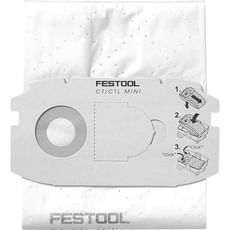
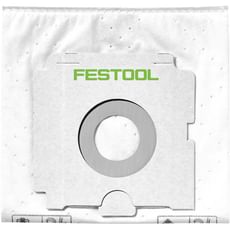
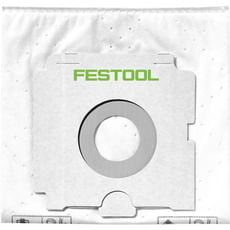
Festool's dust extraction systems have long been recognised as the gold standard in professional power tool dust management, and their range of replacement dust bags continues this tradition of excellence. Designed to work seamlessly with Festool's CTL, CTM, and CT series extractors, these genuine dust bags deliver exceptional filtration performance whilst maintaining optimal suction power throughout their lifespan. Each bag is engineered with multiple filtration layers that capture fine dust particles down to sub-micron levels, protecting both the health of tradespeople and the longevity of extraction equipment.
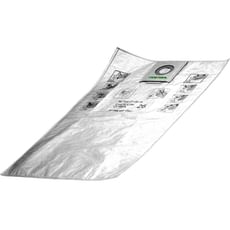
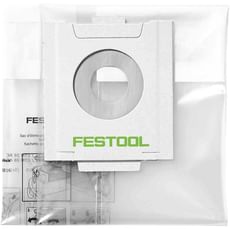
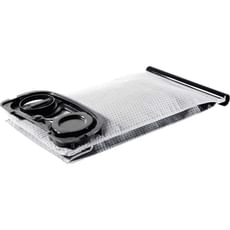
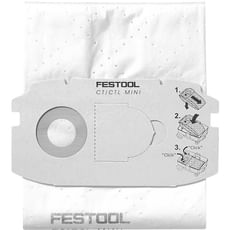
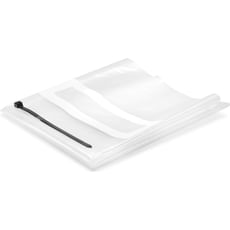
The Festool dust bag range available from Tooled-Up.com includes self-cleaning filter bags, long-life fleece bags, and disposal bags designed for specific applications and materials. Whether you're dealing with fine MDF dust, plaster residue, or general workshop debris, Festool has developed specialist bag solutions that maintain consistent extraction performance whilst simplifying the disposal process. These bags feature quick-release fitment systems and clever dust sealing mechanisms that prevent exposure to harmful dust during bag changes.
Understanding that dust extraction is critical to both worksite cleanliness and respiratory health, Festool has invested heavily in developing dust bags that complement their market-leading extraction technology. The result is a comprehensive range of replacement bags that professionals trust for demanding site work and workshop applications where dust control isn't just desirable—it's essential for compliance with HSE regulations and COSHH requirements.
Why Choose Festool Dust Bags?
Festool dust bags represent a significant advancement over generic alternatives, incorporating patented filtration technology that captures 99.9% of particles larger than 0.3 microns. The multi-ply fleece construction ensures that fine dust doesn't clog the bag surface prematurely, maintaining consistent airflow and suction power throughout the bag's capacity. This translates to fewer bag changes, reduced running costs, and uninterrupted workflow on busy job sites.
The German manufacturer's commitment to the professional trades sector means every dust bag undergoes rigorous testing to ensure it can withstand the demands of daily site use. Self-sealing mechanisms prevent dust spillage during disposal, whilst transparent viewing windows on certain models allow users to monitor fill levels without disrupting work. Festool's reputation for engineering excellence extends beyond their power tools—their dust bags are designed with the same attention to detail and quality standards that professionals have come to expect from the brand.
Compatibility across Festool's extraction range means users can maintain a standardised dust management system throughout their tool kit, with bags specifically matched to extractor models for optimal performance. This system approach to dust extraction has made Festool the preferred choice for tradespeople who understand that effective dust control is fundamental to professional results and long-term health.
Who Uses Festool Dust Bags?
The demanding filtration performance and reliability of Festool dust bags make them the preferred choice for:
- Joiners and Carpenters working with hardwoods, MDF, and engineered timber products that generate hazardous fine dust
- Shopfitters requiring clean working environments in occupied retail and commercial premises
- Cabinet Makers who demand dust-free finishing conditions for high-quality furniture production
- Decorators and Plasterers managing fine dust from sanding operations and surface preparation
- Flooring Specialists working with hardwood sanding and cutting applications
- Building Contractors required to maintain HSE-compliant dust control measures on site
- Renovation Specialists dealing with potentially hazardous materials requiring high-efficiency filtration
- Workshop and Studio Users maintaining clean air quality in enclosed working environments
Key Features of Festool Dust Bags
Festool dust bags incorporate several distinctive features that set them apart from generic alternatives. The self-cleaning filter mechanism employs a special coating that allows captured particles to drop into the bag rather than clog the surface, maintaining consistent extraction performance. Multi-layer fleece construction provides superior strength and tear resistance, preventing bag failure even when extracting sharp debris or abrasive materials.
The self-sealing closure system represents a significant health and safety advancement—when the bag is removed from the extractor, an automatic sealing mechanism closes the opening, containing captured dust and preventing exposure during disposal. This feature is particularly important when dealing with hazardous dusts that fall under COSHH regulations, such as hardwood dust or silica-containing materials.
Colour-coded identification systems help users quickly select the correct bag for their specific extractor model, whilst transparent sections on certain bags allow visual monitoring of fill levels. The precision-engineered fitment collar ensures an airtight seal with the extractor, preventing dust bypass and maintaining maximum filtration efficiency. Festool's commitment to environmental responsibility is evident in the recyclable materials used throughout their dust bag construction.
Popular Festool Dust Bags
Tooled-Up stocks the complete range of Festool replacement dust bags to suit all professional extraction requirements. The self-cleaning long-life filter bags represent the premium choice for users seeking maximum capacity and extended service intervals, incorporating advanced filtration media that maintains performance across prolonged use. These bags are particularly popular with workshop-based professionals who run their extractors continuously throughout the working day.
Disposal bags offer an economical solution for applications involving large volumes of less hazardous waste material, providing robust construction at a lower cost per bag. The fleece disposal bags combine affordability with Festool's characteristic quality, making them ideal for general workshop dust collection and site cleanup operations.
For specialist applications, Festool offers bags designed specifically for fine dust extraction with enhanced filtration layers, and high-capacity bags for users who generate large volumes of waste. The range also includes bags compatible with wet extraction, featuring water-resistant construction for liquid spillage recovery and damp dust collection.
Safety and Compliance
Festool dust bags are designed to support compliance with UK Health and Safety Executive (HSE) workplace exposure limits and COSHH regulations concerning hazardous dust exposure. The high-efficiency filtration performance helps maintain airborne dust concentrations below prescribed exposure limits, protecting respiratory health in accordance with Control of Substances Hazardous to Health regulations.
When used with appropriate Festool extractors, these dust bags contribute to M-class and L-class dust extraction standards as defined by BS EN 60335-2-69, making them suitable for controlled extraction of medium-hazard dusts including hardwoods and certain construction materials. The self-sealing disposal system minimises dust exposure during bag changes, supporting safer working practices and reducing the risk of secondary contamination.
Regular replacement of dust bags is essential for maintaining extraction performance and ensuring continued compliance with dust control requirements. Users should monitor fill levels and replace bags before capacity is reached to prevent loss of suction and potential dust breakthrough. Always consult the specific COSHH assessment for your workplace and materials to ensure appropriate dust control measures are in place.
Frequently Asked Questions
How often should I change my Festool dust bag?
Replace dust bags when they reach approximately 80% capacity or when you notice a significant reduction in suction power. For continuous professional use, this typically means changing bags every few days to weekly, depending on the dust volume generated. Never allow bags to become completely full as this reduces extraction efficiency and may damage the extractor motor.
Can I use generic dust bags in my Festool extractor?
Whilst generic bags may physically fit, they typically don't provide the same filtration efficiency, capacity, or self-sealing features as genuine Festool bags. Generic bags may also void your extractor warranty and fail to meet the filtration standards required for COSHH compliance when working with hazardous dusts. Genuine Festool bags are engineered specifically for optimal performance with Festool extractors.
What's the difference between self-cleaning and standard dust bags?
Self-cleaning Festool dust bags feature a special coating that prevents fine dust from blocking the filter surface, allowing particles to drop into the bag and maintaining consistent airflow throughout the bag's lifespan. This extends the effective capacity and reduces the frequency of bag changes compared to standard bags, making them more economical for regular professional use despite the higher initial cost.
Are Festool dust bags suitable for wet extraction?
Standard fleece dust bags are designed for dry dust extraction only. For wet applications or damp dust extraction, Festool offers specific wet extraction bags with water-resistant construction. Using standard bags for wet extraction will damage the bag and potentially the extractor. Always check your extractor model's specifications and use the appropriate bag type for your application.
How do I dispose of used Festool dust bags safely?
The self-sealing closure on Festool bags automatically seals the opening when removed from the extractor, containing the dust safely for disposal. For general workshop dust, sealed bags can typically be disposed of with normal waste. However, when bags contain hazardous materials such as hardwood dust, asbestos, or silica, they must be disposed of according to COSHH regulations and local authority guidelines for hazardous waste. Always wear appropriate PPE when changing bags containing hazardous dusts.