

Festool Sanding Blocks
 Loading...
End of content
Error - No more pages to load
Festool Sanding Blocks at Tooled-Up.com
Festool's approach to hand sanding represents the same meticulous attention to detail and precision engineering that defines their entire tool range. While sanding blocks may seem like simple tools, Festool has elevated this essential workshop accessory into a system of ergonomic, dust-extracted solutions that integrate seamlessly with their renowned abrasive and extraction systems. The Festool sanding block range exemplifies German engineering at its finest, combining traditional hand-sanding techniques with modern innovations in dust control and material compatibility.
Each Festool sanding block is designed to work in harmony with their Granat, Brilliant, and other premium abrasive ranges, ensuring optimal material removal rates and surface finishes. Whether working with solid timber, painted surfaces, composite materials, or fine finishing applications, Festool sanding blocks deliver consistent pressure distribution and superior control. The brand's commitment to dust-free working environments extends even to manual sanding operations, with many blocks featuring integrated dust extraction capabilities that connect directly to Festool CTL and CTM series extractors.
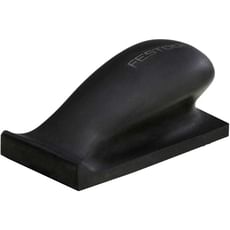
Available from Tooled-Up.com, the Festool sanding block collection includes ergonomic hand sanders with cork and rubber bases, interface pads for contoured surfaces, and specialised blocks for specific applications. These aren't mass-produced commodity items—each block is manufactured to exacting standards with careful consideration given to grip comfort during extended use, material compatibility, and the ability to achieve professional-grade surface finishes that meet the demands of discerning tradespeople and finishing specialists.
Why Choose Festool Sanding Blocks?
Festool's reputation for creating professional-grade tools that last decades extends to their hand sanding solutions. Unlike disposable alternatives, Festool sanding blocks are investment tools designed for thousands of hours of use. The ergonomic designs reduce hand fatigue during extended sanding sessions, whilst the precision-machined bases ensure perfectly flat surfaces without rounding edges or creating uneven finishes. This level of quality control simply isn't found in standard hardware store offerings.
The integration with Festool's systemic approach to workshop efficiency sets these sanding blocks apart. The Stickfix hook-and-loop system allows for rapid abrasive changes without adhesive mess or time-consuming clamping arrangements. This compatibility across the entire Festool abrasive range means tradespeople can maintain consistent grit progressions and achieve predictable results regardless of whether they're using power sanders or hand blocks. For professionals charging hourly rates, this efficiency translates directly to profitability.
Dust extraction capability in manual sanding operations represents another significant advantage. Festool sanding blocks with integrated extraction ports connect to their mobile dust extractors, maintaining the clean working environment that has become synonymous with Festool jobsites. This isn't just about cleanliness—it's about health compliance with HSE regulations regarding wood dust exposure, protecting respiratory health, and maintaining visibility of the work surface for quality control.
Who Uses Festool Sanding Blocks?
- Cabinet Makers and Joiners – achieving flawless finishes on bespoke furniture and fitted joinery before final finishing
- Painters and Decorators – preparing surfaces between coats and achieving perfect key for topcoats
- Furniture Restorers – delicate work on valuable pieces requiring precise control and gentle material removal
- Boat Builders – working curved surfaces and achieving smooth finishes on marine-grade materials
- Automotive Refinishers – flatting paintwork and preparing surfaces for lacquer application
- Shopfitters – on-site finishing work where power tool access may be restricted
- Musical Instrument Makers – precision sanding on tonewoods and delicate components
- Professional Woodworkers – final surface preparation before oil, wax, or lacquer application
- Maintenance Engineers – surface preparation and finishing in industrial settings
Key Features of Festool Sanding Blocks
Ergonomic Design: Festool sanding blocks feature carefully contoured grips that fit naturally in the hand, reducing fatigue during extended sanding sessions. The balanced weight distribution ensures even pressure across the abrasive surface without requiring excessive grip force, preventing hand strain and improving finish quality.
Stickfix Compatibility: The hook-and-loop Stickfix system provides secure abrasive attachment with rapid change capability. This eliminates the frustration of adhesive-backed papers that leave residue or clamp systems that waste time, allowing professionals to switch grits in seconds and maintain momentum.
Precision-Flat Bases: Unlike foam-backed alternatives that compress unevenly, Festool sanding blocks maintain perfectly flat contact surfaces. This prevents rounding of edges and ensures crisp lines where surfaces meet—essential for professional cabinetmaking and joinery where tolerances matter.
Dust Extraction Integration: Selected Festool sanding blocks incorporate extraction ports that connect directly to Festool mobile extractors via standard hose connections. This captures dust at source during manual sanding operations, maintaining workspace cleanliness and protecting respiratory health in compliance with COSHH regulations.
Material-Specific Bases: Different base materials—including cork, rubber, and synthetic compounds—are optimised for specific applications. Cork bases provide slight give for contoured work, whilst harder bases maintain rigidity for perfectly flat surfaces. This material selection demonstrates Festool's understanding of real-world sanding requirements.
System Integration: Compatibility with the complete Festool abrasive range—including Granat, Brilliant, and Vlies products—ensures consistent results across power and manual sanding operations. This systemic approach allows tradespeople to maintain standardised grit progressions and achieve predictable surface preparation outcomes.
Popular Festool Sanding Blocks
Hand Sanding Blocks with Cork Bases: These traditional-style blocks combine time-tested cork technology with modern ergonomics. The cork provides subtle cushioning that conforms slightly to surface irregularities whilst maintaining overall flatness. Ideal for final finishing on solid timber, these blocks are workshop staples for furniture makers and joiners who demand both control and comfort.
Hard Base Sanding Blocks: Featuring rigid bases for applications requiring absolute flatness, these blocks excel at levelling surfaces, flatting painted finishes, and achieving crisp edges on cabinetry. The uncompromising flat surface prevents the edge-rounding that softer blocks can cause, making them essential for precision joinery work.
Contour Sanding Blocks: Designed for curved and shaped surfaces, these specialised blocks feature flexible bases or profiled shapes that follow component contours. Essential for boat builders, instrument makers, and furniture restorers working with non-flat surfaces, they deliver consistent results where standard flat blocks cannot reach.
Interface Pads: Though technically not traditional blocks, Festool's interface pads bridge the gap between rigid sanding blocks and flexible hand sanding. These foam-backed pads attach to Stickfix abrasives and provide controlled cushioning for slightly contoured work or applications requiring gentler material removal.
Safety and Compliance
Whilst sanding blocks are inherently safer than powered alternatives, Festool's integration of dust extraction addresses the significant health hazard of airborne particulate matter. Wood dust is classified as a hazardous substance under COSHH regulations, with hardwood dust recognised as a carcinogen. The extraction-ready Festool sanding blocks available at Tooled-Up help tradespeople maintain compliance with HSE workplace exposure limits, which specify maximum exposure levels for both hardwood and softwood dust.
When using Festool sanding blocks, always work in well-ventilated areas and connect extraction-capable models to appropriate dust extractors meeting Class M or H filtration standards. Wear appropriate respiratory protection when extraction isn't feasible, and follow HSE guidance on wood dust exposure. Regular cleaning of sanding blocks prevents dust accumulation that could compromise performance or create secondary dust sources.
For wet sanding applications, ensure abrasives are rated for liquid use and take appropriate precautions against slippery work surfaces. Store sanding blocks in clean, dry conditions to prevent base material degradation and maintain optimal performance throughout their service life.
Frequently Asked Questions
Are Festool sanding blocks compatible with non-Festool abrasives?
Festool sanding blocks using the Stickfix system will accept any hook-and-loop backed abrasive of the appropriate size. However, Tooled-Up stocks the complete range of Festool abrasives which are specifically engineered to complement their sanding blocks, offering optimised performance, consistent quality, and reliable stock levels. The investment in Festool abrasives ensures you achieve the surface finishes that justify choosing Festool tools in the first place.
How do Festool sanding blocks connect to dust extractors?
Selected Festool hand sanding blocks feature integrated extraction ports that accept standard Festool extraction hoses. These connect directly to CTL or CTM series mobile dust extractors, creating negative pressure that draws dust through perforated abrasives and away from the work surface. This system requires the use of Festool multi-hole abrasives designed for extraction applications. Not all Festool sanding blocks feature extraction capability—check specific product specifications for extraction-ready models.
What's the difference between cork and hard base sanding blocks?
Cork-based Festool sanding blocks provide slight cushioning that helps the abrasive conform to minor surface irregularities, making them ideal for final finishing on solid timber where some flexibility is beneficial. Hard base blocks maintain absolute rigidity, ensuring perfectly flat surfaces without any compression—essential for levelling work, paint preparation, and applications where crisp edges matter. Professional finishers often keep both types for different stages of their sanding progression.
How long do Festool sanding blocks typically last?
With proper care, Festool sanding blocks provide decades of service. The bases are manufactured from durable materials resistant to wear, compression, and chemical exposure from finishing products. Regular cleaning to remove dust accumulation and proper storage away from extreme temperatures will maximise service life. Unlike disposable alternatives that degrade quickly, Festool blocks represent genuine investment tools that can serve an entire career—the initial cost is amortised over thousands of hours of use.
Can Festool sanding blocks be used for automotive refinishing work?
Absolutely. Festool sanding blocks excel in automotive applications including paint flatting, primer preparation, and bodywork finishing. The precision-flat bases and compatibility with fine-grit Festool abrasives make them ideal for achieving the flawless surfaces required before lacquer application. Many professional automotive refinishers choose Festool specifically for the consistent results and dust extraction capabilities that maintain clean working environments—essential when working with sensitive paint systems where contamination can ruin hours of preparation work.