

Flexipad Sanding Blocks
 Loading...
End of content
Error - No more pages to load
Flexipad Sanding Blocks at Tooled-Up.com
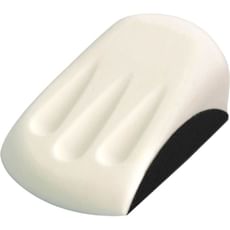
Flexipad has earned a distinguished reputation in the surface preparation industry for manufacturing premium sanding blocks that combine innovative design with exceptional durability. As a brand synonymous with quality and precision, Flexipad sanding blocks are engineered to deliver superior results across automotive refinishing, woodworking, composite fabrication, and general surface preparation applications. The range available from Tooled-Up.com encompasses flexible sanding blocks, contour blocks, and specialist hand sanding tools designed to tackle everything from flat panel work to intricate curved surfaces.
What sets Flexipad apart is their commitment to creating sanding blocks that genuinely enhance the user experience. Each product is designed with ergonomics and efficiency in mind, featuring flexible backing pads that conform to surface contours whilst maintaining consistent pressure distribution. Whether you're working on automotive bodywork, preparing timber for finishing, or smoothing composite materials, Flexipad sanding blocks provide the control and precision that professionals demand.
The Flexipad philosophy centres on innovation and practical design. Their sanding blocks incorporate features such as dual-density foam construction, integrated dust extraction channels, and universal abrasive attachment systems that work with hook-and-loop or adhesive-backed papers. This attention to detail ensures that tradespeople can work more efficiently, achieving consistently smooth finishes whilst reducing hand fatigue during extended sanding sessions.
Why Choose Flexipad Sanding Blocks?
Flexipad has built its reputation on manufacturing sanding blocks that genuinely improve productivity and finish quality. Unlike generic alternatives, Flexipad products feature precisely engineered flexibility that allows the sanding surface to follow contours without creating flat spots or uneven areas. This controlled flexibility is particularly crucial in automotive refinishing where maintaining body lines and curves is essential.
The brand's commitment to quality materials ensures exceptional longevity. Flexipad sanding blocks resist tearing, crushing, and degradation from solvents and water-based products commonly encountered in professional environments. The foam backing pads maintain their density and flexibility through countless uses, providing consistent performance that justifies the investment for professional tradespeople.
Flexipad also leads the industry in ergonomic design. Their sanding blocks feature comfortable grip profiles that reduce hand strain and improve control, allowing users to apply consistent pressure for extended periods without discomfort. This focus on user comfort translates directly into better results, as fatigue-free operators maintain steadier control and more even sanding patterns.
Who Uses Flexipad Sanding Blocks?
- Automotive Body Repair Technicians: Panel beaters and refinishers preparing surfaces for primer and paint applications
- Vehicle Detailers: Professionals performing paint correction and scratch removal
- Cabinet Makers and Joiners: Woodworkers requiring precision sanding on both flat and curved timber components
- Boat Builders and Marine Engineers: Specialists working with GRP, gelcoat, and composite materials
- Furniture Restorers: Craftspeople preparing antique and contemporary furniture for refinishing
- General Builders and Decorators: Tradespeople smoothing filler, plaster, and preparation for decorative finishes
- Model Makers and Fabricators: Precision workers requiring controlled sanding on small components
- DIY Enthusiasts: Home improvers seeking professional-quality results on renovation projects
Key Features of Flexipad Sanding Blocks
Graduated Flexibility: Flexipad sanding blocks are available in various densities, from soft flexible grades for following pronounced curves to firmer options for flatter surfaces. This allows users to select the perfect tool for their specific application, ensuring optimal surface contact without creating unwanted depressions.
Universal Abrasive Compatibility: Most Flexipad blocks accommodate both hook-and-loop (Velcro-backed) and PSA (pressure-sensitive adhesive) abrasive sheets, providing flexibility in consumable choice and cost management. This versatility means tradespeople can use their preferred abrasive brands without compatibility concerns.
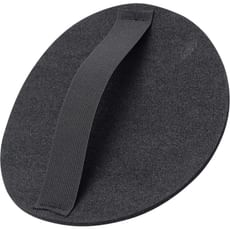
Integrated Grip Systems: Many Flexipad sanding blocks feature ergonomically designed grip zones or handles that promote natural hand positioning and reduce fatigue. The grip surfaces are often textured or contoured to prevent slippage during use, even when working with wet-sanding applications.
Durable Construction: Manufactured from high-quality closed-cell and open-cell foams, Flexipad blocks resist water absorption, solvent damage, and physical degradation. The materials retain their properties through repeated cleaning and extended use, making them genuinely economical over their working life.
Precision Edge Control: Flexipad designs often incorporate chamfered or bevelled edges that prevent dig-in and allow controlled feathering at panel edges and transitions—a critical feature for automotive refinishing and fine woodworking.
Popular Flexipad Sanding Blocks
The Flexipad Standard Sanding Block range represents the core offering, featuring rectangular blocks in various sizes and densities suitable for general-purpose hand sanding. These versatile tools excel at flatting primers, sanding timber components, and preparing filled areas for finishing.
Contour Sanding Blocks from Flexipad provide curved profiles specifically designed for following body lines, rounded edges, and cylindrical surfaces. These specialist blocks are invaluable for automotive work and furniture restoration where maintaining original contours is paramount.
Long Board Sanding Blocks offer extended sanding surfaces ideal for levelling larger panels and achieving perfectly flat finishes. Tooled-Up stocks various lengths within the Flexipad range, allowing selection based on panel size and working preference.
Interface Pads and Cushioning Blocks provide additional flexibility when used between power sanders and abrasive discs, preventing breakthrough on edges whilst improving surface conformity on curved work.
Safety and Compliance
When using Flexipad sanding blocks, appropriate personal protective equipment should be worn including dust masks or respirators compliant with HSE guidelines, particularly when sanding materials that generate hazardous dust such as composite resins, old paint finishes containing lead, or exotic hardwoods. Safety glasses protect eyes from airborne particles, whilst proper ventilation reduces dust concentration in working areas.
Ensure abrasive papers are securely attached to prevent detachment during use, which could cause loss of control or injury. Replace worn abrasives promptly as excessive pressure applied to exhausted papers increases fatigue and reduces finish quality. When wet sanding, maintain awareness of slippery working conditions and ensure electrical equipment remains safely isolated from moisture.
Dispose of sanding residues responsibly, particularly when working with treated timbers, automotive paints, or composite materials. COSHH regulations may apply to certain sanding operations, requiring risk assessment and appropriate control measures.
Frequently Asked Questions
What's the difference between soft and firm Flexipad sanding blocks?
Soft Flexipad blocks feature lower-density foam that conforms more readily to curved surfaces and contours, making them ideal for automotive bodywork and shaped components. Firm blocks provide more rigidity for flatting operations where maintaining a level surface is crucial, such as preparing primer coats or sanding flat panels. The choice depends on your specific application—curves require flexibility, whilst flat work benefits from firmness.
Can Flexipad sanding blocks be used for wet sanding?
Yes, Flexipad sanding blocks are designed to withstand wet sanding applications. The closed-cell foam construction resists water absorption, maintaining performance characteristics even when saturated. After wet sanding, rinse the block thoroughly to remove residue and allow it to dry completely before storage to maximise longevity.
How do I attach sandpaper to Flexipad blocks?
Flexipad blocks typically accommodate hook-and-loop (Velcro) backed abrasive sheets which simply press onto the block surface. Some models also accept PSA (sticky-backed) papers. For best results, ensure the block surface is clean and dry before application, and press the abrasive firmly across the entire surface to achieve secure adhesion. Cut papers to size if necessary, ensuring complete coverage without excessive overhang.
How long do Flexipad sanding blocks last?
With proper care, Flexipad sanding blocks provide years of professional service. The foam construction resists degradation from solvents, water, and physical wear far better than traditional cork or wooden blocks. Longevity depends on usage intensity, but even in demanding professional environments, Flexipad blocks typically outlast multiple sets of traditional alternatives. Clean blocks regularly and store away from direct sunlight to maximise lifespan.
Are Flexipad sanding blocks suitable for power sanding applications?
Whilst Flexipad sanding blocks are primarily designed for hand sanding, the brand also manufactures interface pads specifically engineered for use between power sanders and abrasive discs. These interface pads provide cushioning that improves surface conformity and prevents breakthrough on edges. For hand sanding applications, the standard sanding blocks offer superior control and are the recommended choice.