

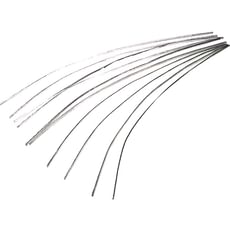
Frys Metals Soldering Wire
 Loading...
Frys Metals Soldering Wire at Tooled-Up.com
Frys Metals stands as one of the UK's most respected manufacturers of soldering products, with a heritage spanning over a century in metal joining technology. The Frys Metals Soldering Wire range available from Tooled-Up.com represents the pinnacle of British engineering excellence, offering professional-grade soldering solutions for electronics, electrical work, plumbing, and precision engineering applications. Known for their exceptional consistency, purity, and reliability, Frys Metals soldering wires are manufactured to exacting standards that meet the demanding requirements of both professional tradespeople and serious DIY enthusiasts.
What sets Frys Metals apart is their commitment to producing soldering wire using only the highest quality metals and flux formulations. Each spool is manufactured under strict quality control protocols at their UK facility, ensuring consistent diameter tolerances, optimal flux distribution, and reliable melting characteristics. Whether you're working on delicate PCB repairs, general electrical connections, copper pipe joints, or precision instrumentation work, the Frys Metals range provides the technical performance and dependability that professionals demand for critical soldering applications.
Tooled-Up stocks a comprehensive selection of Frys Metals soldering wire in various alloy compositions, diameters, and flux types to suit different applications. From lead-free options complying with RoHS regulations to traditional tin-lead alloys for specific applications, and from ultra-fine diameters for intricate electronics work to heavier gauges for plumbing joints, the range caters to every soldering requirement across multiple trades and industries.
Why Choose Frys Metals Soldering Wire?
Frys Metals has earned its reputation through decades of consistent quality and technical innovation in the soldering industry. Their soldering wire is renowned for exceptional flow characteristics, producing clean, reliable joints with minimal splatter and residue. The flux cores are carefully formulated to provide optimal activity at the appropriate temperature ranges, ensuring strong metallurgical bonds without excessive corrosion or contamination.
Professional users choose Frys Metals for the confidence that comes with predictable, repeatable results. The wire feeds smoothly through soldering guns and irons without tangling or kinking, whilst the precisely controlled alloy compositions ensure consistent melting points and wetting properties across every metre of wire. This reliability translates directly into reduced rework, fewer failed joints, and improved productivity on site or in the workshop.
The brand's commitment to environmental responsibility is evident in their comprehensive range of lead-free soldering wires that meet REACH and RoHS compliance requirements without compromising on performance. Frys Metals has invested heavily in developing lead-free formulations that offer working characteristics comparable to traditional tin-lead alloys, making the transition to compliant materials seamless for professionals.
Who Uses Frys Metals Soldering Wire?
- Electronics Engineers and Technicians: PCB assembly, component replacement, and circuit board repairs
- Electrical Contractors: Wire terminations, connector soldering, and electrical joint fabrication
- Plumbers and Heating Engineers: Copper pipe joints, central heating installations, and water system repairs
- Instrument Technicians: Precision measurement equipment repairs and calibration work
- Automotive Electricians: Wiring harness repairs, sensor replacements, and electrical system diagnostics
- Model Makers and Hobbyists: Radio-controlled models, electronics projects, and precision assembly work
- Maintenance Engineers: Equipment repairs, control panel work, and general electrical maintenance
- Aerospace and Defence Contractors: Critical applications requiring high-reliability solder joints
- White Goods Repair Technicians: Appliance repairs and component replacement work
Key Features of Frys Metals Soldering Wire
Frys Metals soldering wire incorporates several distinctive features that enhance performance and user experience. The precisely calibrated flux cores provide optimal activity levels, reducing the need for additional flux application whilst minimising post-soldering cleaning requirements. The flux formulations are designed to remain active across the appropriate temperature range, giving users adequate working time to achieve proper joint formation.
The wire diameter tolerances are maintained to within microns, ensuring consistent feed through automated soldering equipment and providing predictable melting characteristics when using handheld irons. This precision manufacturing eliminates the frustration of diameter variations that can cause feed problems or inconsistent joint quality.
Frys Metals offers various alloy compositions tailored to specific applications, including tin-copper, tin-silver-copper (SAC alloys), and traditional tin-lead formulations where regulations permit. Each alloy is optimised for particular melting points, mechanical strength requirements, and thermal cycling performance, allowing professionals to select the ideal specification for their specific application.
The packaging is designed with professional users in mind, featuring clearly marked specifications, batch traceability information, and practical dispensing formats that prevent tangling and contamination. Spools are available in various weights to suit different usage patterns, from small reels for occasional work to larger industrial sizes for high-volume applications.
Popular Frys Metals Soldering Wire
The Frys Metals range encompasses various product types designed for specific applications. Their lead-free soldering wires, formulated to comply with current UK and EU environmental regulations, are particularly popular among electronics professionals working on consumer products and commercial equipment. These typically feature SAC alloy compositions that provide excellent joint strength and thermal cycling resistance.
For plumbing applications, Frys Metals offers soldering wire specifically formulated for copper pipe joints, with flux cores designed to work effectively on oxidised surfaces common in heating and water systems. These products are available in larger diameters appropriate for plumbing work, with flux activity levels suitable for the higher thermal masses involved in pipe joining.
Fine-gauge soldering wires in diameters from 0.5mm to 1mm remain consistently popular among electronics technicians and hobbyists for precision work on printed circuit boards and delicate components. These finer wires provide excellent control over solder deposition, reducing the risk of bridging between closely-spaced pins and pads.
Safety and Compliance
All Frys Metals soldering wire products meet relevant UK and European safety standards, including BS EN 29454 for fluxes and ISO 9453 for solder alloys. The company maintains comprehensive technical data sheets and safety information for each product, ensuring users can work in compliance with HSE and COSHH regulations.
When using any soldering wire, adequate ventilation is essential to prevent inhalation of flux fumes and metal vapours. Users should work in well-ventilated areas or employ fume extraction equipment, particularly when conducting extended soldering operations. Eye protection and heat-resistant gloves are recommended when working with molten solder to prevent burns from splashes or accidental contact.
Lead-containing soldering wire, where still used for specific applications, requires appropriate handling procedures including thorough hand washing after use and proper disposal of waste materials in accordance with environmental regulations. The Tooled-Up Frys Metals range includes comprehensive product information to help users select appropriate materials and work safely with soldering products.
Frequently Asked Questions
What's the difference between lead-free and leaded Frys Metals soldering wire?
Lead-free soldering wire typically uses tin-copper or tin-silver-copper alloys, melting at higher temperatures (around 217-220°C) compared to traditional tin-lead solder (183-190°C). Lead-free formulations comply with RoHS and REACH regulations for commercial electronics but may require slight adjustments to soldering iron temperature and technique. Frys Metals lead-free wires are formulated to provide working characteristics as close as possible to traditional solders whilst meeting environmental compliance requirements.
Which diameter of Frys Metals soldering wire should I choose?
Wire diameter selection depends on your application: 0.5-0.7mm is ideal for fine electronics work and surface-mount components; 0.7-1mm suits general PCB work and through-hole components; 1-2mm works well for electrical connections and heavier components; whilst 3mm and above is appropriate for plumbing joints and large thermal mass applications. Finer wires provide better control for precision work, whilst heavier gauges deliver solder more quickly for larger joints.
Can Frys Metals soldering wire be used for plumbing copper pipes?
Yes, Frys Metals produces soldering wire specifically formulated for plumbing applications, with appropriate flux cores for copper pipe joints. These products differ from electronics soldering wire in both alloy composition and flux activity, being designed to work effectively on the oxidised surfaces and higher thermal masses typical of plumbing work. Always ensure you're using plumbing-grade solder rather than electronics wire for water system applications.
How should I store Frys Metals soldering wire?
Store soldering wire in a cool, dry environment away from moisture and contaminants. Keep spools in their original packaging or sealed containers to prevent flux degradation and surface oxidation. Avoid storing in areas with high humidity or temperature fluctuations. Properly stored soldering wire typically remains usable for several years, though checking flow characteristics before critical work is advisable if wire has been stored for extended periods.
What soldering iron temperature should I use with Frys Metals lead-free soldering wire?
Lead-free soldering wire typically requires iron temperatures between 350-380°C, compared to 300-350°C for traditional tin-lead solder. The exact temperature depends on your specific application, iron tip size, and thermal mass of the joint being soldered. Start at the lower end of the range and increase if flow characteristics are poor. Temperature-controlled soldering stations provide the best results, allowing precise adjustment for optimal joint formation with Frys Metals products.