

Gilbow Tinsnips
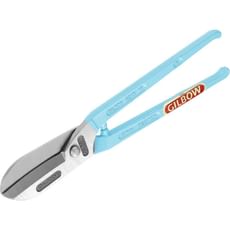
 Loading...
End of content
Error - No more pages to load
Gilbow Tinsnips at Tooled-Up.com
Gilbow has earned a formidable reputation among sheet metal workers and roofers across the UK for producing tinsnips that combine exceptional cutting performance with lasting durability. The Gilbow tinsnips range available from Tooled-Up.com represents decades of manufacturing expertise, delivering precision-engineered cutting tools designed to withstand the rigours of daily professional use. From straight-cutting aviation snips to compound-action models, Gilbow tinsnips are manufactured to exacting standards that appeal to tradespeople who refuse to compromise on quality.
What distinguishes Gilbow tinsnips from standard sheet metal cutters is their commitment to British manufacturing heritage combined with modern metallurgy. Each pair of snips features hardened steel blades that maintain their sharp cutting edge through thousands of cuts, whilst ergonomically designed handles reduce hand fatigue during extended cutting sessions. Whether you're working with mild steel, aluminium, or copper sheet, Gilbow tinsnips deliver clean, accurate cuts without distorting the material.
The range stocked by Tooled-Up encompasses everything from compact offset snips for tight access work to heavy-duty straight shears for cutting heavier gauge materials. Gilbow's attention to detail extends to the pivot mechanisms, spring-loading systems, and blade alignment—all critical factors that separate professional-grade tinsnips from inferior alternatives that quickly become loose or misaligned with regular use.
Why Choose Gilbow Tinsnips?
Gilbow tinsnips are renowned for their exceptional build quality and longevity. Where economy tinsnips might last a few months on a busy site, Gilbow tools are engineered to provide years of reliable service. The blades are manufactured from high-carbon steel that's been carefully heat-treated to achieve the optimal balance between hardness for edge retention and toughness to resist chipping or fracturing when cutting through tough materials.
Professional sheet metal workers and roofers consistently choose Gilbow because these tools maintain their cutting performance throughout their working life. The precision-ground blades meet along their entire length, ensuring clean cuts without the ragged edges that result from poorly manufactured snips. Spring-return mechanisms are robust and calibrated to provide just the right amount of assistance without being overpowering, reducing operator fatigue significantly during repetitive cutting tasks.
Another compelling reason to select Gilbow is their understanding of real-world working conditions. These aren't tools designed in isolation from actual trade requirements—they're built by people who understand that tinsnips need to perform reliably whether you're working in a comfortable workshop or on a windswept roof in February. The handles are shaped to provide secure grip even when wearing gloves, and the overall balance of each tool has been carefully considered to reduce wrist strain.
Who Uses Gilbow Tinsnips?
- Roofers and Cladding Specialists – For cutting flashing, guttering, and metal roofing materials
- Sheet Metal Workers – Fabricating ductwork, enclosures, and custom metalwork
- HVAC Engineers – Cutting and shaping ventilation ductwork and metal fittings
- Automotive Body Repair Technicians – Trimming and shaping metal panels and patches
- Plumbers – Cutting copper sheet, flashing, and metal brackets
- Maintenance Engineers – General metalwork and repair tasks across facilities
- Shopfitters and Fabricators – Precision cutting of decorative and structural metalwork
- Serious DIY Enthusiasts – Home improvement projects involving sheet metal
Key Features of Gilbow Tinsnips
Gilbow tinsnips incorporate several distinctive features that enhance their performance and usability. The hardened steel blades are precision-ground to maintain sharp cutting edges that slice cleanly through materials up to 1.2mm thick (gauge depending on model). The cutting edges are carefully aligned at the factory to ensure they meet consistently along their full length, eliminating the frustrating partial cuts that plague inferior tools.
Handle ergonomics receive particular attention in Gilbow's design philosophy. The grips are contoured to fit naturally in the hand, with sufficient length to provide good leverage without being unwieldy in confined spaces. Many models feature cushioned grip sections that absorb pressure points and improve comfort during extended use, particularly important for professionals who might make hundreds of cuts in a single day.
The pivot mechanisms on Gilbow tinsnips are engineered for longevity, with robust pins and precisely machined housings that resist the loosening and play that develops in lesser tools. Spring-return systems, where fitted, are calibrated to provide consistent assistance throughout the tool's working life. Compound leverage designs on aviation-style snips multiply cutting force, allowing operators to cut through thicker materials with less hand pressure.
Blade geometry varies across the range to suit different applications—straight-cutting models for long, linear cuts; left-cutting and right-cutting versions for curved work; and offset designs that keep your hands clear of the material surface, preventing scraped knuckles when cutting flat sheets.
Popular Gilbow Tinsnips
The Gilbow tinsnips collection at Tooled-Up includes several distinct patterns to suit different cutting requirements. Straight-cutting tinsnips are the workhorses of the range, ideal for cutting straight lines and gentle curves in sheet metal, flashing, and ductwork. These feature long, straight blades that provide excellent visibility of the cutting line and produce clean, straight edges.
Aviation-style snips with compound leverage are particularly popular among professionals who regularly cut heavier gauge materials. Available in straight, left-cutting, and right-cutting configurations, these snips use a lever-action mechanism to multiply cutting force, making it significantly easier to work through tough materials. The colour-coded handles (typically yellow for straight, red for left, green for right) allow quick identification in a busy toolbox.
Offset tinsnips, with their blades positioned below the handle plane, are essential for cutting flat sheets where hand clearance is limited. These prevent your hands from contacting the material surface whilst cutting, improving both safety and cutting accuracy. Gilbow's offset models maintain excellent cutting control despite the angled blade arrangement.
Safety and Compliance
Whilst tinsnips don't fall under electrical safety regulations, proper use is essential to prevent injuries. The blades on Gilbow tinsnips are extremely sharp and capable of causing serious cuts if handled carelessly. Always wear appropriate gloves when handling sheet metal, as the cut edges can be razor-sharp. Safety glasses are recommended to protect against metal shards, particularly when cutting materials that may splinter or produce small fragments.
Store tinsnips with blade guards or in a dedicated tool roll to protect both the cutting edges and anyone reaching into a toolbox. Keep blades clean and lightly oiled to prevent rust, which can compromise cutting performance and potentially cause the blades to bind or slip unexpectedly during use. Inspect tinsnips regularly for loose pivot bolts or damaged handles, addressing any issues before they compromise safety or cutting quality.
The HSE recommends that hand tools be maintained in good condition and appropriate for their intended task. Using damaged or unsuitable tinsnips can lead to hand strain, poor cutting results, and increased accident risk. Gilbow tinsnips, when properly maintained, comply with general hand tool safety expectations and provide reliable, safe operation throughout their service life.
Frequently Asked Questions
What thickness of material can Gilbow tinsnips cut?
Most Gilbow tinsnips are designed to cut mild steel up to approximately 1.2mm (18 gauge), though capacity varies by model and material type. Softer materials like aluminium and copper can typically be cut at slightly greater thicknesses. Compound-action aviation snips generally handle thicker materials more easily than standard straight-cutting patterns. Always check the specific capacity rating for your model and avoid forcing the tool beyond its designed capacity, as this can damage the blades or pivot mechanism.
How do I maintain Gilbow tinsnips to ensure longevity?
Keep the blades clean and free from adhesive residue or metal particles that can interfere with cutting action. Apply a light coat of oil to the blades and pivot point regularly, particularly if the snips are exposed to moisture. Periodically check and tighten the pivot bolt if any play develops, but avoid overtightening which can make the action stiff. Never use tinsnips as prying tools or to cut materials harder than their rated capacity. Store them in a dry environment, preferably with blade protection to prevent damage.
What's the difference between straight, left, and right-cutting tinsnips?
Straight-cutting tinsnips have aligned blades for cutting straight lines and gentle curves. Left-cutting snips have their blades offset to curve left, allowing you to follow tight left-hand curves whilst keeping the waste material away from the cutting line. Right-cutting snips mirror this for right-hand curves. The colour-coded handles help you quickly identify which pattern you need—this convention is particularly useful when you own multiple pairs for different cutting directions.
Can Gilbow tinsnips cut stainless steel?
Gilbow tinsnips can cut thin stainless steel sheet, but stainless is significantly harder than mild steel, so expect reduced capacity—typically around 0.7-0.9mm depending on the grade. Stainless steel also work-hardens as you cut, making it progressively more difficult. Use compound-action aviation snips for best results, keep the blades sharp, and don't force the cut. For regular stainless steel cutting, consider dedicated stainless-rated snips or powered cutting solutions.
Are Gilbow tinsnips suitable for cutting curves in metal?
Yes, though the type of curve determines which pattern you need. Gentle curves can be cut with straight-cutting tinsnips. For tighter curves, use dedicated left- or right-cutting aviation snips, which are specifically designed to follow curved cutting lines whilst keeping the waste material clear of the cutting path. The offset blade design on these models prevents the waste from interfering with the cut, allowing you to follow your marked line accurately without the material binding between the blades.