

Halls Countersinks
 Loading...
End of content
Error - No more pages to load
Halls Countersinks at Tooled-Up.com
Halls has established itself as a trusted name in precision cutting tools, with their countersinks representing decades of British engineering excellence. The Halls Countersinks range available from Tooled-Up.com encompasses a comprehensive selection of high-quality countersinking solutions designed for professional tradespeople and discerning DIY enthusiasts alike. These precision-engineered tools deliver clean, accurate chamfers and recesses for screws, bolts, and rivets across a wide variety of materials including wood, metal, and plastics.
What distinguishes Halls countersinks from competitors is their commitment to manufacturing standards that meet the exacting demands of British industry. Each countersink is crafted to deliver consistent performance, featuring carefully controlled cutting angles and edge geometries that ensure clean, burr-free holes every time. Whether you're working on joinery projects, metalwork fabrication, or general construction tasks, Halls countersinks provide the reliability and precision that professional applications demand.
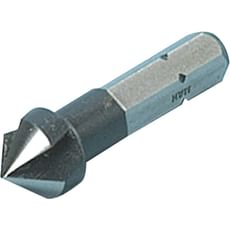
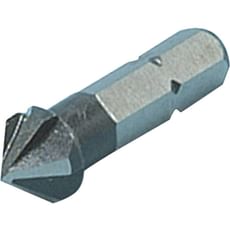
Tooled-Up stocks Halls countersinks in various configurations, including cross-hole countersinks, rose countersinks, and machine countersinks, each designed for specific applications and materials. The range covers standard sizes from small pilot holes through to larger diameter applications, ensuring that tradespeople have access to the right tool for every countersinking requirement.
Why Choose Halls Countersinks?
Halls countersinks have earned their reputation through consistent quality and durability that stands up to demanding professional use. The brand's commitment to precision manufacturing means that each cutting edge is ground to exacting tolerances, delivering cleaner cuts with less tool wear over extended periods. This translates directly into better value for money, as Halls countersinks maintain their cutting performance through thousands of operations before requiring replacement.
The superior steel grades used in Halls countersinks provide excellent edge retention whilst maintaining the necessary toughness to resist chipping when encountering harder materials or unexpected inclusions. This balance between hardness and resilience makes them particularly suitable for site work where conditions aren't always ideal and tools need to perform reliably despite variable material quality.
Professional users appreciate Halls' attention to practical details such as shank design, which ensures secure chuck retention and minimal runout during operation. The company's long-standing presence in the UK market means their products are designed with British trade standards and working practices in mind, rather than being generic imports that may not quite meet UK expectations.
Who Uses Halls Countersinks?
Halls countersinks are the tool of choice for a diverse range of professionals and trades, including:
- Carpenters and joiners – for creating flush screw fixings in timber work, cabinet making, and joinery projects
- Metal fabricators and engineers – for preparing holes in steel, aluminium, and other metals for flush-mounted fasteners
- Maintenance engineers – for repair work across industrial and commercial facilities
- Shop fitters and shopfitters – for precise countersinking in display and fixture installation
- Aerospace and precision engineering – where exact countersink angles and dimensions are critical
- Construction professionals – for general metalwork and fixing applications on site
- Automotive technicians – for body panel work and mechanical repairs
- DIY enthusiasts – undertaking home improvement projects requiring professional-quality results
Key Features of Halls Countersinks
Halls countersinks incorporate several distinctive features that enhance their performance and longevity. The precision-ground cutting edges are manufactured to exact angular specifications, typically including standard 90-degree angles for general purpose work alongside 60-degree and 120-degree options for specialised applications. This angular accuracy ensures that countersunk fasteners sit perfectly flush with the work surface.
The flute design on Halls countersinks is engineered to provide efficient chip clearance, preventing material build-up that can cause binding or poor surface finish. This is particularly important when working with softer materials like aluminium or plastic, where swarf removal is critical to achieving clean results.
Many Halls countersinks feature enhanced coating options that reduce friction and heat build-up during operation, extending tool life and improving cut quality. The shanks are manufactured to precise tolerances ensuring concentricity and minimal vibration during use, which contributes to both better surface finish and reduced operator fatigue during extended work sessions.
Popular Halls Countersinks
The Halls range includes several popular configurations that address specific trade requirements. Their cross-hole countersinks are particularly valued in engineering applications where deburring and chamfering cross-drilled holes is essential. These specialised tools allow access to intersecting holes that standard countersinks cannot reach effectively.
Rose countersinks from Halls offer excellent performance in hand-held applications, featuring multiple cutting teeth that provide smooth operation and reduced chatter. These are especially popular among carpenters and joiners who require clean countersinks in timber without tearout or splitting.
Machine countersinks in the Halls range are designed for use in pillar drills, milling machines, and CNC equipment, offering the rigidity and precision required for production environments. Available with morse taper shanks and straight shanks, these tools deliver repeatable accuracy across high-volume operations.
Safety and Compliance
When using Halls countersinks, adherence to HSE guidelines for drilling and cutting operations is essential. Always ensure workpieces are securely clamped before commencing countersinking operations, and verify that rotating tools are correctly installed in the chuck with adequate tightening. Eye protection should be worn at all times to guard against flying chips and swarf.
For powered countersinking operations, ensure that drill speeds are appropriate for the material being worked and the countersink diameter being used. Excessive speeds can cause overheating and premature tool failure, whilst insufficient speed may result in poor surface finish and increased tool wear. Always allow rotating tools to reach full operating speed before engaging the workpiece.
Halls countersinks should be inspected regularly for signs of wear, damage, or dulling of cutting edges. Continued use of worn or damaged countersinks can result in poor quality work and increased risk of tool breakage. Store countersinks in protective cases or holders to prevent edge damage when not in use.
Frequently Asked Questions
What angle countersinks does Halls manufacture?
Halls produces countersinks in several standard angles including 90 degrees (the most common for general woodworking and metalworking), 60 degrees (for specific engineering applications), and 120 degrees (for certain fastener types). The 90-degree configuration accommodates most standard countersunk screws used in UK trade applications.
Can Halls countersinks be used with both hand drills and pillar drills?
Yes, Halls manufactures countersinks suitable for both applications. Portable electric drills typically use countersinks with standard cylindrical shanks, whilst machine applications may utilise morse taper or straight shank variants designed for higher rigidity and precision. Always match the countersink type to your specific equipment and application requirements.
How do I prevent chattering when using Halls countersinks?
Chatter is typically caused by incorrect speed, insufficient workpiece support, or worn tools. Ensure your drill speed is appropriate for the material and countersink diameter, secure the workpiece firmly, and maintain steady, consistent feed pressure. If chatter persists, inspect the countersink for wear or damage and verify that it's properly secured in the chuck.
What materials can Halls countersinks work with?
Halls countersinks are designed to handle a wide range of materials including softwoods, hardwoods, MDF, chipboard, mild steel, stainless steel, aluminium, brass, copper, and various plastics. Material-specific variants may be available for demanding applications, and appropriate cutting speeds should be selected based on material hardness and thermal properties.
How can I extend the life of my Halls countersinks?
Maximise tool life by using appropriate cutting speeds, avoiding excessive feed pressure, and ensuring adequate lubrication when working with metals. Keep countersinks clean and free from built-up material, store them properly to protect cutting edges, and avoid dropping or impact damage. Regular inspection and timely replacement when worn will maintain quality results and prevent damage to workpieces.