

Halls Deburring Tools
 Loading...
End of content
Error - No more pages to load
Halls Deburring Tools at Tooled-Up.com
Halls has established itself as a trusted name in precision metalworking tools, and their deburring tools exemplify the brand's commitment to quality and practicality. For professionals and enthusiasts working with metal components, removing sharp edges, burrs, and unwanted material is essential for both safety and functionality. The Halls range at Tooled-Up specialises in manual deburring solutions that deliver consistent results across various materials including steel, aluminium, copper, and plastics.
Designed with the working tradesperson in mind, Halls deburring tools combine robust construction with ergonomic handling to reduce operator fatigue during repetitive tasks. Whether smoothing edges after machining operations, preparing components for welding, or finishing fabricated parts, these tools provide the control and precision required for professional metalworking applications. Tooled-Up.com stocks Halls deburring solutions that cater to engineering workshops, manufacturing facilities, and on-site fabrication work across the UK.
The brand's focus on durability means these tools withstand the demanding conditions of industrial environments whilst maintaining their cutting performance over extended periods. Halls deburring tools represent an investment in quality that pays dividends through reduced rework, improved component quality, and enhanced workplace safety.
Why Choose Halls Deburring Tools?
Halls has built its reputation on producing reliable hand tools that perform consistently in real-world conditions. Their deburring tools feature hardened steel cutting edges that maintain sharpness through thousands of operations, reducing the need for frequent replacements. The precision-ground blades ensure clean, controlled material removal without damaging the workpiece or creating additional burrs that require further attention.
One of the key advantages of choosing Halls is their understanding of British manufacturing traditions and the specific requirements of UK tradespeople. These tools are designed to handle the materials commonly found in British engineering and fabrication shops, from mild steel sheet to non-ferrous metals. The ergonomic design philosophy reduces hand strain during extended use, which is particularly important for machinists and fabricators who may spend significant portions of their day deburring components.
Halls tools also offer excellent value for money, providing professional-grade performance without the premium pricing associated with some specialist brands. For workshops managing tool budgets whilst maintaining quality standards, Halls deburring tools strike an ideal balance between cost-effectiveness and reliability.
Who Uses Halls Deburring Tools?
- Engineering Machinists: Removing burrs from turned, milled, and drilled components in precision workshops
- Sheet Metal Fabricators: Smoothing cut edges on fabricated panels and enclosures
- Welders: Preparing edges before welding and cleaning weld seams afterwards
- Pipefitters and Plumbers: Deburring cut pipe ends for proper fitting assembly
- Automotive Technicians: Finishing modifications and repairs on vehicle components
- Maintenance Engineers: General workshop tasks requiring edge finishing and burr removal
- Model Makers and Prototypers: Precision finishing work on small-scale metal parts
- DIY Enthusiasts: Home workshop projects involving metalworking and fabrication
Key Features of Halls Deburring Tools
Halls deburring tools incorporate several distinctive features that enhance their usability and performance. The hardened tool steel construction ensures longevity even when working with tough materials, whilst the precisely angled cutting edges allow for controlled material removal at various edge profiles. Many Halls tools feature reversible or replaceable blades, extending the tool's working life and reducing long-term costs.
The ergonomic handle designs provide secure grip even when working with oily or wet hands, a common scenario in machine shops and fabrication environments. The balanced weight distribution reduces wrist fatigue during repetitive deburring operations, allowing operators to maintain consistent quality throughout their shift. Halls tools are also compact enough to access tight spaces and internal corners where burrs commonly form but are difficult to reach.
The versatility of Halls deburring tools allows them to work effectively on both internal and external edges, holes, and curved surfaces. This multi-purpose capability means tradespeople can accomplish various deburring tasks with a single tool, streamlining their workflow and reducing the need for multiple specialised implements.
Popular Halls Deburring Tools
The Halls deburring range encompasses various tool configurations to suit different applications. Hand-held scrapers with angled blades remain popular for general-purpose deburring across flat and curved surfaces. Swivel-head deburring tools offer increased flexibility when working with complex geometries or hard-to-reach areas, allowing the cutting edge to follow irregular contours.
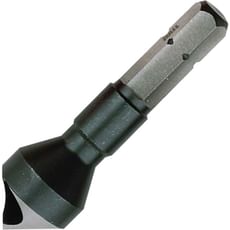
For hole deburring, Halls produces specialised tools that quickly remove internal burrs left by drilling operations without enlarging the hole diameter. These are particularly valued in precision engineering where tolerances must be maintained. Rotary deburring tools from Halls provide faster material removal for larger jobs whilst still offering the control required for quality finishing work.
Pocket-sized deburring tools are also available for tradespeople who need portable solutions for site work or field repairs. These compact versions deliver the same quality performance as their full-sized counterparts whilst fitting comfortably in tool pouches or pockets.
Safety and Compliance
When using Halls deburring tools, proper safety practices are essential to prevent injury. Always wear appropriate personal protective equipment including safety glasses to protect against flying metal particles, and cut-resistant gloves when handling sharp-edged components. Ensure workpieces are securely clamped or held before deburring to prevent slippage that could cause injury.
Halls deburring tools should be inspected regularly for blade damage or wear. Dull or chipped blades require more pressure to cut effectively, increasing the risk of the tool slipping and causing injury. Replace worn blades promptly to maintain both safety and performance standards. Store deburring tools in protective holders or sheaths when not in use to prevent accidental contact with sharp edges.
In accordance with HSE guidance for workshop operations, ensure adequate lighting and a clean work area when performing deburring tasks. Remove swarf and metal filings regularly to maintain a safe working environment and prevent contamination of finished components.
Frequently Asked Questions
What materials can Halls deburring tools work with?
Halls deburring tools are designed to work effectively with a wide range of materials including mild steel, stainless steel, aluminium, brass, copper, and most plastics. The hardened cutting edges maintain their sharpness across different material hardnesses, though blade life will vary depending on the material being worked.
How do I know when to replace the blade on my Halls deburring tool?
Replace the blade when you notice increased cutting effort, inconsistent burr removal, or visible damage to the cutting edge. If the tool begins leaving rough edges or creating new burrs rather than removing them cleanly, it's time for a blade change. Regular inspection will help identify wear before it affects work quality.
Are Halls deburring tools suitable for production environments?
Yes, Halls deburring tools are built to withstand the demands of production work. Their robust construction and replaceable blade systems make them cost-effective for high-volume operations. The ergonomic designs help reduce operator fatigue during repetitive tasks, maintaining productivity throughout shifts.
Can Halls deburring tools be used on both internal and external edges?
Most Halls deburring tools are designed for versatility and can effectively remove burrs from both internal and external edges. The blade geometry allows the tool to work in various orientations, though some specialised tools are optimised for specific applications such as hole deburring.
Do Halls deburring tools require any special maintenance?
Halls deburring tools require minimal maintenance. Keep the cutting edges clean and free from built-up swarf, and apply a light machine oil to prevent corrosion when storing tools in damp environments. Periodically check that handles are secure and blades are properly seated. Proper storage in a dry location will extend tool life significantly.