

India Bench Stones
 Loading...
End of content
Error - No more pages to load
India Bench Stones at Tooled-Up.com
India bench stones have earned a distinguished reputation among woodworkers, metalworkers, and craftspeople who demand precision sharpening results. Manufactured in the USA since 1958, India stones utilise aluminium oxide abrasive in a vitrified ceramic bond, creating a durable and fast-cutting sharpening surface that delivers consistent performance across decades of use. The India range represents an excellent balance between cutting speed and finish quality, making these bench stones suitable for both initial edge establishment and routine maintenance sharpening tasks.
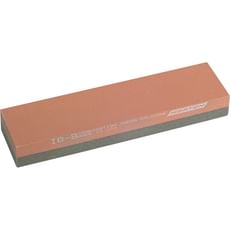
Tooled-Up.com supplies the comprehensive India bench stones collection, featuring various grit combinations and formats to suit different sharpening requirements. Available in combination stones with both coarse and fine grits on opposite faces, as well as single-grit options, India stones cater to everything from tool restoration work to precision edge maintenance. The distinctive orange-brown colour of India stones has become synonymous with quality sharpening, trusted by professional tradespeople and discerning DIY enthusiasts who refuse to compromise on their edge tool performance.
The India product line includes rectangular bench stones in multiple sizes, ideal for chisels, plane irons, and other edge tools requiring a flat sharpening surface. These stones work effectively with standard honing oil, which helps float away metal particles and prevents loading, ensuring the abrasive surface remains effective throughout extended sharpening sessions. The combination of affordability, longevity, and proven performance makes India bench stones a cornerstone of any well-equipped workshop.
Why Choose India Bench Stones?
India bench stones offer exceptional value through their unique aluminium oxide composition, which cuts faster than natural stones whilst maintaining consistent grit characteristics throughout the stone's life. Unlike natural Arkansas stones that can vary in density and cutting speed, India stones deliver predictable, uniform performance that allows craftspeople to develop reliable sharpening techniques and achieve repeatable results. The vitrified bond structure creates a hard-wearing surface that resists dishing and maintains flatness far longer than softer alternatives.
The manufacturing heritage behind India stones spans over six decades of refinement and quality control. Each stone undergoes rigorous testing to ensure proper abrasive distribution and bond integrity, resulting in products that can withstand years of workshop use without degradation. The medium-grit India stones are particularly valued for their ability to remove material quickly without creating deep scratches that require excessive fine-stone work to remove, streamlining the sharpening process and saving valuable workshop time.
Cost-effectiveness represents another compelling reason to choose India bench stones. Whilst delivering professional-grade performance, these stones are priced accessibly for both established tradespeople building comprehensive sharpening stations and newcomers investing in their first quality sharpening equipment. The longevity of India stones means the initial investment delivers value across many years, with proper maintenance ensuring the sharpening surface remains effective indefinitely.
Who Uses India Bench Stones?
- Carpenters and joiners maintaining chisels, plane irons, and marking knives for precision woodworking
- Cabinetmakers requiring razor-sharp edges for fine furniture construction and finishing work
- Wood turners sharpening bowl gouges, spindle gouges, and scraping tools between projects
- Tool and die makers honing precision metalworking tools and measuring instruments
- Engineers and machinists maintaining cutting tools, scrapers, and deburring implements
- Professional sharpening services relying on consistent performance for customer tool maintenance
- Woodworking educators teaching proper sharpening techniques in colleges and training centres
- Serious DIY enthusiasts committed to maintaining their hand tools in optimal condition
- Antique tool restorers bringing vintage edge tools back to working condition
- Craftspeople working with chisels, drawknives, and spokeshaves across various traditional trades
Key Features of India Bench Stones
Aluminium Oxide Abrasive: The synthetic aluminium oxide crystals used in India stones provide superior cutting speed compared to natural stones, removing metal efficiently whilst creating a refined edge suitable for most workshop applications. The consistent particle size distribution ensures uniform sharpening across the entire stone surface.
Vitrified Ceramic Bond: The high-temperature vitrification process creates an incredibly durable bond that holds abrasive particles securely whilst allowing fresh cutting edges to be exposed as the stone wears. This bond structure resists crumbling and maintains integrity even under heavy workshop use.
Combination Grit Options: Many India bench stones feature different grits on opposite faces, typically pairing coarse (100-150 grit) with medium (280-320 grit) or medium with fine (400-600 grit). This dual-grit configuration reduces the number of separate stones required, saving bench space and investment whilst covering comprehensive sharpening needs.
Oil Stone Design: India stones are designed for use with honing oil, which lubricates the sharpening action, carries away metal particles, and prevents the stone surface from loading with debris. This oil-based system is cleaner than water stones and doesn't require soaking or constant moisture management.
Dimensional Stability: The vitrified construction means India stones maintain their shape and flatness throughout their working life, requiring minimal maintenance beyond occasional cleaning. The stones won't swell, crack, or deteriorate when stored properly between uses.
Popular India Bench Stones
The India Combination Bench Stone remains the most popular choice, available from Tooled-Up in various sizes to suit different workshop configurations. These double-sided stones typically combine medium and fine grits, allowing users to progress from initial sharpening through to final honing without changing stones. The larger 200mm x 50mm format provides ample surface area for plane irons and wide chisels, whilst smaller pocket-sized versions suit site work and tool bag carry.
Single-Grit India Stones cater to specialists who prefer dedicated stones for specific sharpening stages. The coarse-grit India stones excel at quick material removal when reshaping damaged edges or establishing new bevels, whilst fine-grit versions deliver polished edges for finish work. Medium-grit single stones represent the workhorse option for routine maintenance sharpening of everyday workshop tools.
India Bench Stone Sets provide complete sharpening solutions, typically including multiple grits along with mounting hardware or storage boxes. These sets offer excellent value for workshops being equipped from scratch and ensure compatible stone dimensions across different grits, simplifying the progression from coarse through to fine sharpening stages.
Safety and Complianc
Whilst bench stones themselves present minimal safety hazards, proper usage practices ensure safe and effective sharpening results. Always secure India bench stones in appropriate holders or on non-slip surfaces before use to prevent movement during sharpening strokes. Loose stones can shift unexpectedly, potentially causing blade contact with hands or creating inconsistent sharpening angles.
Use adequate honing oil to lubricate the sharpening process and prevent excessive heat build-up, which can affect tool temper. Apply light to moderate pressure during sharpening strokes rather than forcing tools against the stone, which can damage both the edge being sharpened and potentially cause the tool to slip. Maintain awareness of finger positioning relative to blade edges, keeping hands behind the cutting edge throughout the sharpening process.
Store India bench stones in clean, dry conditions away from potential contaminants that might embed in the stone surface. Clean stones regularly with honing oil or paraffin to remove accumulated metal particles, maintaining cutting efficiency and preventing surface loading. When stones eventually require flattening, use appropriate lapping plates or coarse abrasive sheets on flat surfaces, wearing suitable eye protection to guard against abrasive particles.
Frequently Asked Questions
What oil should I use with India bench stones?
India stones work best with dedicated honing oil or light mineral oil. Avoid vegetable-based oils which can become sticky and gummy over time, potentially clogging the stone surface. Purpose-formulated honing oils contain rust inhibitors and maintain proper viscosity for effective metal particle suspension. Paraffin (kerosene) also works well for cleaning and general use, though it's thinner than honing oil and may require more frequent application.
How do India stones compare to Arkansas stones?
India stones cut significantly faster than Arkansas stones due to their aluminium oxide abrasive composition, making them more efficient for routine sharpening and edge establishment. Arkansas stones, being natural novaculite, produce finer polished edges but work more slowly. India stones offer consistent performance and lower cost, whilst Arkansas stones provide traditional character and ultimate edge refinement. Many workshops maintain both types for comprehensive sharpening capabilities.
Can India bench stones be used dry or with water?
India stones are specifically designed as oil stones and should not be used dry, as this causes rapid loading and potential heat damage to tool edges. Water is not recommended as it can cause rust staining within the stone's porous structure and doesn't provide adequate lubrication for the aluminium oxide abrasive. Always use appropriate honing oil or mineral oil for optimal performance and stone longevity.
How long do India bench stones last?
With proper care and maintenance, India bench stones can provide decades of reliable service. The vitrified bond construction ensures durability, whilst the uniform abrasive distribution means cutting performance remains consistent as the stone wears. Regular cleaning prevents surface loading, and occasional flattening maintains optimal geometry. Many craftspeople report using the same India stones throughout their entire careers, making these stones an excellent long-term investment.
Do I need different grit India stones for different tools?
A medium-grit India stone (approximately 280-320 grit) handles most routine sharpening tasks for chisels, plane irons, and general workshop tools. Add a coarse stone (100-150 grit) for damaged edge repair or significant material removal, and a fine stone (400-600 grit) for final polishing when working with hardwoods or requiring exceptionally refined edges. Combination stones efficiently cover multiple grits, whilst dedicated woodworkers often maintain the complete range for specific applications.