

Kew Gardens Soil Rakes
 Loading...
End of content
Error - No more pages to load
Kew Gardens Soil Rakes at Tooled-Up.com
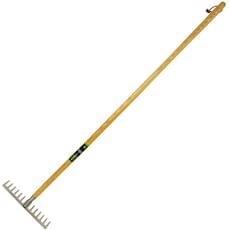
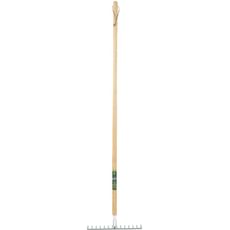
The Kew Gardens brand brings the expertise of one of the world's most prestigious botanical institutions to the hands of British gardeners and landscapers. Developed in partnership with the Royal Botanic Gardens, Kew, these soil rakes combine horticultural knowledge accumulated over centuries with modern manufacturing standards. Designed specifically for preparing seedbeds, levelling soil, and breaking up clumps, Kew Gardens soil rakes reflect the exacting standards required for professional botanical work whilst remaining accessible to dedicated home gardeners.
Each Kew Gardens soil rake available from Tooled-Up features construction quality that reflects the brand's association with one of Britain's most respected gardening authorities. The range encompasses traditional designs refined through extensive field testing in Kew's own gardens, where soil preparation techniques have been perfected over generations. Whether working with heavy clay soils or lighter sandy compositions, these rakes deliver the precision and durability demanded by professional horticulturalists and landscape contractors.
Why Choose Kew Gardens Soil Rakes?
Kew Gardens soil rakes benefit from design input informed by the Royal Botanic Gardens' unparalleled horticultural experience. Unlike generic garden tools, these rakes incorporate features specifically developed for optimal soil preparation across different garden environments and soil types. The brand's commitment to quality ensures each rake meets standards suitable for professional botanical work whilst remaining practical for domestic gardening projects.
The construction of Kew Gardens soil rakes emphasises longevity and performance. Head designs feature carefully calculated tine spacing and angles that effectively break up soil clumps without excessive effort, whilst sturdy shaft connections prevent the frustrating loosening that plagues inferior tools. The brand's reputation stands on delivering reliable implements that perform season after season, making them a sound investment for anyone serious about soil cultivation and garden preparation.
Heritage and innovation combine in the Kew Gardens approach to tool design. Traditional rake patterns proven effective over decades are manufactured using modern materials and quality control processes, ensuring consistency and reliability. This blend of time-tested design principles with contemporary manufacturing standards distinguishes Kew Gardens products in a market often dominated by either outdated patterns or inadequately tested innovations.
Who Uses Kew Gardens Soil Rakes?
- Professional Landscapers: Contractors requiring reliable tools for site preparation and finished grading work
- Groundskeepers: Parks, estates, and facility managers maintaining extensive planted areas
- Market Gardeners: Commercial growers preparing seedbeds and vegetable plots
- Allotment Holders: Dedicated gardeners cultivating productive plots requiring regular soil preparation
- Garden Designers: Professionals creating ornamental plantings requiring precise soil levelling
- Estate Gardeners: Those maintaining formal gardens, borders, and planted areas to high standards
- Horticultural Students: Trainees learning proper soil preparation techniques using quality implements
- Keen Amateur Gardeners: Enthusiasts who appreciate professional-quality tools for home gardens
Key Features of Kew Gardens Soil Rakes
Kew Gardens soil rakes incorporate tine designs optimised for British soil conditions, with spacing and angles calculated to effectively work both heavy clay and lighter soils. The tine strength provides sufficient rigidity to break up compacted soil whilst retaining enough flex to prevent snapping when encountering stones or roots. This balance reflects practical experience gained from working diverse soil types across Kew's extensive grounds.
Handle and shaft construction receives particular attention in Kew Gardens designs. Connection points between head and shaft utilise secure fixing methods that withstand the leverage forces generated during heavy soil work. Shaft lengths suit average user heights whilst maintaining proper working angles, reducing fatigue during extended use. Handle grips, where fitted, provide comfortable purchase without excessive bulk that might interfere with gloved hands.
Material selection prioritises durability appropriate to regular garden use. Carbon steel tines offer the strength needed for working established beds, whilst protective finishes resist the corrosion that rapidly degrades poorly specified tools. The overall construction quality reflects the brand's botanical heritage—these are implements designed for serious gardening work rather than occasional light use.
Popular Kew Gardens Soil Rakes
The Kew Gardens soil rake range at Tooled-Up encompasses designs suited to different garden scales and soil preparation tasks. Traditional patterns feature twelve to sixteen tines spanning head widths from 300mm to 450mm, providing options for working between established plants or covering larger open areas. Each pattern reflects design principles developed through extensive horticultural practice.
Specific variants within the collection address particular soil cultivation needs. Standard soil rakes suit general bed preparation and levelling work, whilst designs with reinforced tines handle breaking down heavier clay soils. Lighter patterns prove ideal for seedbed finishing and working amongst established plantings where careful cultivation avoids root damage.
Safety and Compliance
Whilst soil rakes present minimal safety concerns compared to powered equipment, proper usage prevents injury and tool damage. Store rakes with tines facing downward or against walls to prevent tripping hazards—upturned rakes create dangerous stepping risks in sheds and gardens. Wear appropriate footwear when using soil rakes, as downward tine strikes can penetrate soft shoe materials.
Handle Kew Gardens soil rakes appropriately for their weight and leverage. Use proper lifting techniques when working compacted soils to avoid back strain, and avoid excessive force that might damage tine connections. Regular inspection of shaft-to-head connections identifies loosening before failure occurs during use. Clean soil rakes after use to remove corrosive soil particles and store in dry conditions to maximise lifespan.
Frequently Asked Questions
What distinguishes Kew Gardens soil rakes from standard garden rakes?
Kew Gardens soil rakes feature design input from the Royal Botanic Gardens, incorporating horticultural expertise into tine spacing, angles, and overall construction. They're built to professional standards suitable for serious gardening work rather than occasional domestic use.
Which tine count works best for typical garden soil preparation?
Fourteen to sixteen tine designs provide excellent versatility for most British gardens, offering sufficient coverage for efficient work whilst allowing manoeuvrability around plants. Wider patterns suit open vegetable plots, whilst narrower designs work better in established borders.
How should I maintain my Kew Gardens soil rake?
Clean soil deposits from tines after each use, particularly when working clay soils. Store in dry conditions and periodically check shaft-to-head connections for tightness. A light oil application to metal components before winter storage prevents corrosion during periods of infrequent use.
Are Kew Gardens soil rakes suitable for breaking up compacted ground?
Kew Gardens soil rakes work effectively on moderately compacted soils but aren't designed for severely compacted or uncultivated ground. For heavily compacted areas, use a mattock or rotavator first, then employ the soil rake for finishing and levelling work.
What shaft length proves most practical for soil preparation work?
Standard shaft lengths of 1500mm to 1600mm suit most users, providing comfortable working angles without excessive bending. The correct length allows the rake head to work flat against soil surfaces when the user maintains upright posture, reducing back strain during extended use.