

Marples Marking Gauges
 Loading...
End of content
Error - No more pages to load
Marples Marking Gauges at Tooled-Up.com
Marples has been synonymous with precision woodworking tools since 1828, and their marking gauges represent nearly two centuries of craftsmanship excellence. As one of the most trusted names in British woodworking heritage, Marples marking gauges are renowned for their accuracy, durability, and traditional design principles that have stood the test of time. The Marples collection at Tooled-Up.com features these classic precision tools, favoured by woodworkers who demand reliable, accurate marking for joinery, furniture making, and fine carpentry work.
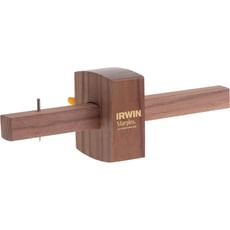
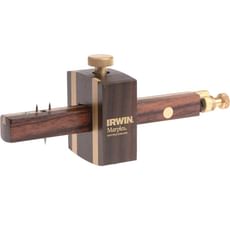
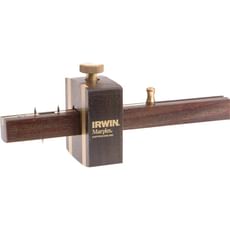
Marples marking gauges combine traditional hardwood construction with precision-engineered brass components and hardened steel marking pins. Each gauge is designed to deliver consistent, fine line marking for measuring parallel lines from edges, setting out mortises and tenons, and scribing depth lines. The Sheffield-born brand's commitment to quality ensures that every marking gauge maintains the tight tolerances and smooth operation required for professional woodworking applications.
Whether you're a professional cabinet maker, furniture restorer, or dedicated hobbyist woodworker, Marples marking gauges provide the tactile feedback and precision control that digital measuring tools simply cannot replicate. Their ergonomic wooden stocks and brass fittings offer both functional excellence and the aesthetic appeal of traditional hand tools.
Why Choose Marples Marking Gauges?
Marples has built its reputation on manufacturing tools that combine British engineering heritage with practical functionality. Their marking gauges feature precision brass thumbscrews that provide secure, positive locking without slippage—essential when marking critical dimensions for joinery work. The hardwood stocks, typically made from beech or rosewood, are carefully selected for stability and durability, ensuring the gauges won't warp or distort over years of workshop use.
The brand's marking pins are manufactured from hardened and tempered steel, maintaining their sharpness through thousands of marking operations whilst being easily resharpened when needed. Marples gauges are designed with user comfort in mind, featuring smoothly finished stocks that glide along timber edges without snagging, whilst the brass facing plates protect against wear and provide a smooth bearing surface. This attention to detail reflects Marples' understanding that precision woodworking demands tools that perform consistently day after day.
Choosing Marples means investing in tools that often outlast their owners. Many woodworkers inherit vintage Marples marking gauges that remain perfectly functional after decades of use—a testament to the brand's manufacturing quality and timeless design philosophy. Tooled-Up stocks Marples marking gauges that continue this proud tradition of British toolmaking excellence.
Who Uses Marples Marking Gauges?
- Cabinet Makers: Professionals who require precision marking for dovetails, mortise and tenon joints, and drawer construction
- Joiners and Carpenters: Tradespeople working on bespoke joinery, staircases, and architectural woodwork
- Furniture Makers: Craftspeople creating fine furniture where accurate marking is essential for professional results
- Furniture Restorers: Specialists who need to replicate traditional joinery techniques when repairing antique pieces
- Boat Builders: Marine carpenters working with timber in yacht fitting and traditional boat construction
- Wood Turners: Turners who use marking gauges for setting centres and marking critical dimensions
- Pattern Makers: Professionals creating wooden patterns for foundry and manufacturing applications
- Hobbyist Woodworkers: Enthusiasts who appreciate quality hand tools and traditional woodworking methods
- Woodworking Instructors: Teachers demonstrating fundamental marking and measuring techniques
Key Features of Marples Marking Gauges
Hardwood Construction: Marples uses selected hardwoods such as beech and rosewood for their stocks, chosen for dimensional stability and resistance to wear. The timber is properly seasoned to prevent warping and twisted, ensuring long-term accuracy.
Precision Brass Components: All metal fittings are manufactured from brass, providing corrosion resistance whilst being soft enough not to damage the hardwood stock. The brass thumbscrews feature deep knurling for secure tightening, even with dusty or oily hands.
Hardened Steel Marking Pins: The marking pins are made from hardened and tempered steel, providing excellent edge retention whilst remaining serviceable for resharpening. The pins can be adjusted for depth and angle to suit different marking requirements.
Smooth Bearing Surfaces: Brass facing plates are fitted where the stock contacts the workpiece, providing a smooth, low-friction surface that won't mark the timber whilst ensuring consistent accuracy along the full length of the gauge stroke.
Clear Scale Graduations: Marples marking gauges feature clearly marked measurement scales, typically in both imperial and metric units, allowing quick setting without constant reference to separate measuring tools.
Ergonomic Design: The stocks are shaped and finished to provide comfortable hand grip and control, with radiused edges that won't cause hand fatigue during extended marking sessions.
Popular Marples Marking Gauges
Marples Mortise Gauge: The quintessential dual-pin gauge for marking mortise and tenon joints, featuring independently adjustable pins for setting mortise width whilst maintaining accurate distance from the workpiece edge. Essential for traditional joinery work.
Marples Cutting Gauge: Fitted with a blade rather than a pin, the cutting gauge is used for cross-grain marking and fine cutting applications. Particularly useful when marking across the grain where a pin might tear the timber fibres.
Marples Panel Gauge: Featuring an extended stock for marking wider panels and boards, ideal for setting out drawer fronts, door panels, and furniture components where standard length gauges prove restrictive.
Traditional Single Pin Marking Gauge: The classic woodworker's marking gauge, perfect for marking lines parallel to an edge for rebates, tenon shoulders, and general dimensioning work. Simple, reliable, and indispensable in any serious woodworking toolkit.
Safety and Compliance
Whilst marking gauges are hand-powered tools without electrical safety considerations, proper usage remains essential for safe woodworking practice. Always ensure the marking pin or blade is sharp—a dull cutting edge requires excessive pressure and increases the risk of slipping. When not in use, retract the pin into the stock or store the gauge in a protective case to prevent injury and pin damage.
Maintain a secure grip on both the gauge and workpiece when marking, ensuring the work is properly supported and clamped where necessary. Keep fingers clear of the marking path, particularly when using cutting gauges with blade-type cutters. Regular inspection of the brass thumbscrew threads and wooden stock for splits or damage helps ensure continued safe operation.
When sharpening marking pins or blades, use appropriate sharpening equipment and techniques to maintain the correct cutting angle. Store marking gauges in a dry environment to prevent rust on steel components and moisture damage to wooden stocks. Following these straightforward guidelines ensures that Marples marking gauges remain safe, accurate tools throughout their working life.
Frequently Asked Questions
How do I maintain my Marples marking gauge?
Keep the brass components clean and free from workshop dust using a soft cloth. Occasionally apply a thin coat of camellia oil or similar to the wooden stock to prevent drying and cracking. Keep the marking pin sharp with a fine oilstone, honing at the same angle as the original grind. Check the thumbscrew threads periodically and clean if they become clogged with dust or debris.
Can Marples marking gauges be used on hardwoods?
Yes, Marples marking gauges are specifically designed for use on both softwoods and hardwoods. The hardened steel pins maintain their sharpness even when marking dense tropical hardwoods. For very hard timbers, ensure the pin is particularly sharp and use firm, consistent pressure rather than excessive force.
What's the difference between a marking gauge and a cutting gauge?
A marking gauge uses a pointed pin that scores along the wood grain, whilst a cutting gauge has a small blade or knife that cuts the fibres. Cutting gauges are superior for cross-grain marking where a pin might tear the wood fibres, whilst marking gauges excel at with-the-grain applications. Many woodworkers keep both types for different applications.
How accurate are Marples marking gauges?
When properly maintained and used correctly, Marples marking gauges provide accuracy within 0.5mm—more than sufficient for traditional joinery work. The key to accuracy is ensuring the fence (stock) remains square to the beam, the pin is sharp, and consistent pressure is maintained throughout the marking stroke.
Are vintage Marples marking gauges as good as modern ones?
Vintage Marples gauges from the mid-20th century are highly regarded and often considered equal or superior to modern equivalents, featuring the same quality hardwoods and brass fittings. Provided the stock isn't warped and the brass threads remain functional, a well-preserved vintage Marples gauge can serve as effectively as a new one, often at a fraction of the cost.