

Moldex Dust & Full Face Masks
 Loading...
End of content
Error - No more pages to load
Moldex Dust & Full Face Masks at Tooled-Up.com
Moldex has established itself as a world leader in respiratory protection, and their range of dust and full face masks represents the pinnacle of breathing protection technology for professional tradespeople and demanding industrial applications. With over 40 years of innovation in respiratory safety, Moldex dust masks and full face respirators deliver superior protection against hazardous dusts, mists, fumes, and gases encountered across construction, manufacturing, and industrial environments.
The Moldex dust and full face masks available from Tooled-Up.com combine advanced filtration technology with exceptional comfort features that make extended wear practical on demanding job sites. From disposable FFP-rated dust masks designed for protection against fine particulates to sophisticated full face respirators offering comprehensive eye and respiratory protection, Moldex products are engineered to meet the most stringent safety requirements whilst remaining comfortable enough for all-day use.
What distinguishes Moldex respiratory protection is their commitment to innovation in both safety performance and user comfort. Features like the patented Ventex valve technology, ActivForm seal, and DuraMesh shell demonstrate Moldex's understanding that effective protection must be comfortable protection—because masks that aren't worn properly or consistently cannot protect workers effectively.
Why Choose Moldex Dust & Full Face Masks?
Moldex has built an outstanding reputation for producing respiratory protection that exceeds minimum safety standards whilst addressing the practical realities of professional use. Their dust masks consistently outperform basic requirements for filtration efficiency, breathing resistance, and seal integrity, giving tradespeople confidence in hazardous environments.
The company's focus on comfort engineering sets them apart in the respiratory protection market. Moldex incorporates features like softer face seal materials, adjustable straps, lightweight construction, and ventilation systems that reduce heat and moisture build-up—addressing the main reasons workers remove or improperly wear protective masks. This attention to wearability translates directly into better safety outcomes on site.
Moldex maintains rigorous quality control and testing protocols, with products manufactured to exacting standards and certified to relevant UK and European safety regulations. Their commitment to innovation has resulted in numerous patented technologies that enhance both protection levels and user acceptance, making Moldex a trusted choice among safety professionals and experienced tradespeople who understand that proper respiratory protection is non-negotiable.
Who Uses Moldex Dust & Full Face Masks?
Moldex dust and full face masks are essential equipment for a wide range of professionals working in environments where respiratory hazards are present:
- Construction workers – protection against cement dust, silica, and general building dust
- Joiners and carpenters – defence against wood dust from cutting, sanding, and machining operations
- Decorators and painters – filtration of paint mists, solvents, and fine particulates
- Demolition contractors – comprehensive protection in high-dust environments with multiple contaminants
- Manufacturing operatives – protection against industrial dusts, metal fumes, and process emissions
- Pharmaceutical and laboratory workers – defence against fine powders and chemical dusts
- Agricultural workers – protection from organic dusts, pesticides, and biological hazards
- Automotive refinishers – filtering paint overspray and solvent vapours
- Welders and metalworkers – protection against welding fumes and metal grinding dusts
Key Features of Moldex Dust & Full Face Masks
Moldex incorporates distinctive technologies and design features that enhance both protection and comfort:
Ventex Valve Technology: Many Moldex masks feature the patented Ventex valve system, which opens automatically during exhalation to release heat and moisture quickly, keeping the mask interior cooler and drier whilst preventing condensation build-up that can reduce visibility and comfort.
ActivForm Technology: This innovative seal design automatically adjusts to different face shapes and movements, maintaining consistent seal integrity throughout the working day without requiring constant readjustment.
DuraMesh Structure: Moldex dust masks often incorporate a robust mesh shell that maintains mask shape even in demanding conditions, preventing collapse during heavy breathing whilst offering excellent durability and protection of the filter media.
Climate Control: Advanced ventilation features reduce heat and humidity inside the mask, addressing one of the primary complaints about respiratory protection and improving compliance with safety protocols.
Low Breathing Resistance: Moldex filters are engineered to provide high filtration efficiency with minimal breathing resistance, reducing fatigue during extended wear periods and making work less physically demanding.
Popular Moldex Dust & Full Face Masks
The Moldex respiratory protection range at Tooled-Up includes several product categories designed for different applications and protection requirements:
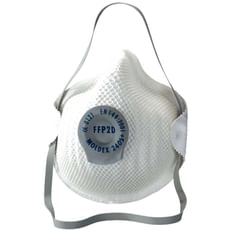
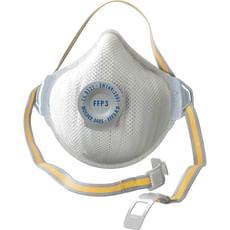
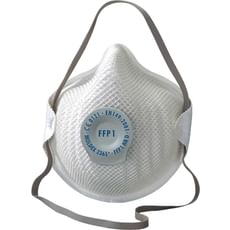
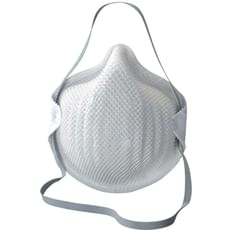
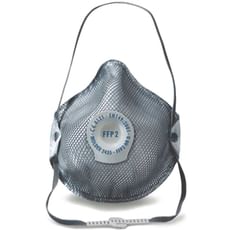
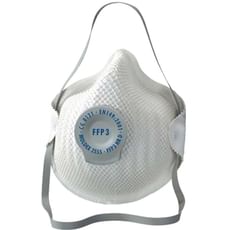
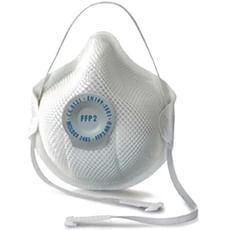
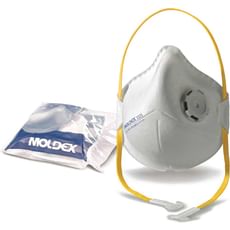
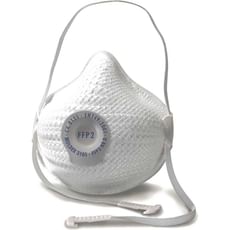
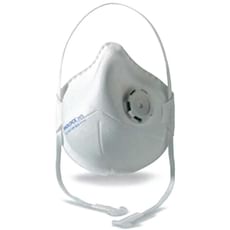
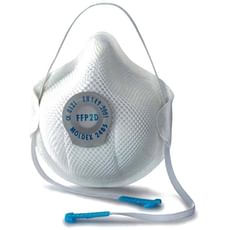
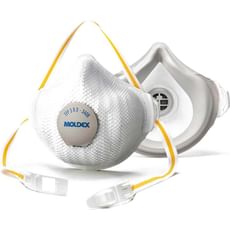
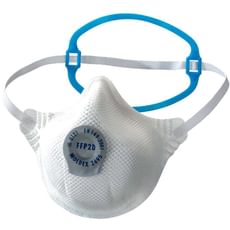
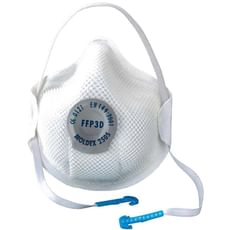
Disposable FFP Dust Masks: Available in FFP1, FFP2, and FFP3 protection levels, these masks offer graduated protection against fine particulates, with options including valved and unvalved versions. The FFP2 masks are particularly popular for general construction work, whilst FFP3 models provide maximum protection for high-hazard environments.
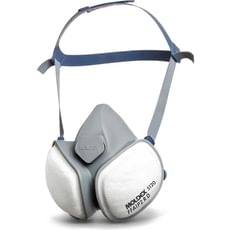
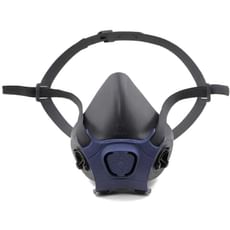
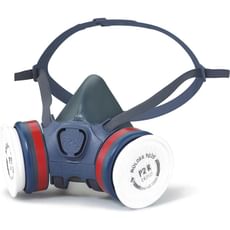
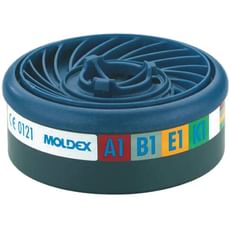
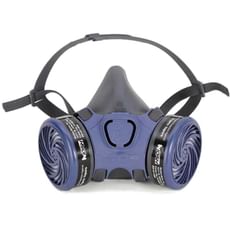
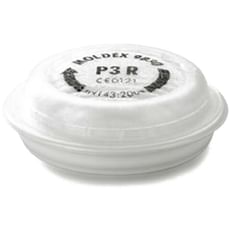
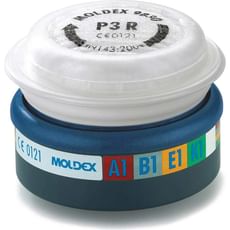
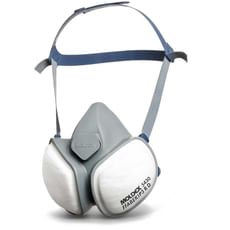
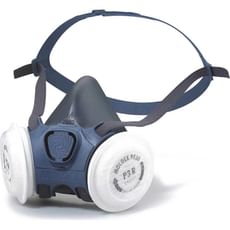
Reusable Half Masks: Moldex produces comfortable half-mask respirators with replaceable filters, offering economical long-term protection with various filter cartridge options for specific contaminants including dusts, gases, and combination threats.
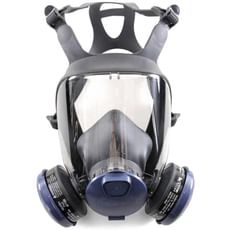
Full Face Respirators: For comprehensive protection including eye coverage, Moldex full face masks provide a wide, unobstructed field of vision whilst delivering superior respiratory protection. These are essential for applications involving liquid splashes, high contaminant concentrations, or where eye protection is critical.
Specialised Masks: Moldex offers masks designed for specific industries and applications, including masks with nuisance odour reduction, masks optimised for hot and humid environments, and compact folding designs for convenient storage and transport.
Safety and Compliance
Moldex dust and full face masks are manufactured to comply with relevant UK and European safety standards, including EN 149 for filtering half masks and EN 136 for full face masks. Products are CE marked and meet the requirements of the Personal Protective Equipment Regulation (EU) 2016/425, which remains applicable in the UK.
Proper selection of respiratory protection must be based on a thorough risk assessment as required by COSHH (Control of Substances Hazardous to Health) regulations. Employers and self-employed tradespeople should identify the specific respiratory hazards present, determine the required protection level, and ensure masks are correctly fitted and maintained. The HSE provides comprehensive guidance on respiratory protective equipment selection and use.
Moldex masks display clear protection ratings (FFP1, FFP2, FFP3) that correspond to different filtration efficiencies and maximum permitted contaminant concentrations. FFP1 masks filter at least 80% of airborne particles, FFP2 filter at least 94%, and FFP3 filter at least 99%, with each level appropriate for different hazard scenarios. Face fit testing is essential for tight-fitting respirators to ensure the seal between mask and face is effective.
Frequently Asked Questions
What's the difference between valved and unvalved Moldex dust masks?
Valved Moldex masks incorporate an exhalation valve that opens during breathing out, releasing heat and moisture more efficiently than unvalved versions. This makes valved masks more comfortable for extended wear and in warm environments. However, unvalved masks should be used where sterile conditions are required, as valved masks allow unfiltered exhalation. Both types offer the same inhalation protection level.
How long can I use a Moldex disposable dust mask?
Moldex disposable masks should be replaced when breathing becomes difficult due to filter loading, when the mask becomes damaged or deformed, or at the end of the working shift. In very dusty environments, masks may need replacing more frequently. The mask should never be cleaned or reused once removed, as this compromises the seal and filtration efficiency. Always store unused masks in their original packaging away from contaminants.
Are Moldex masks suitable for asbestos work?
Only Moldex FFP3-rated masks provide sufficient protection for asbestos work, and only then for specific low-risk asbestos activities as defined by HSE guidance. Asbestos work typically requires powered respiratory protective equipment or full face masks with appropriate filters. Always consult HSE asbestos guidance and your organisation's safety procedures before undertaking any asbestos-related work, and ensure proper training and certification.
Can I wear a Moldex dust mask with safety glasses or goggles?
Moldex half-mask respirators are designed to be compatible with most safety glasses and goggles, though temple arms may slightly affect the seal on some face shapes—proper fit testing is essential. For applications requiring both comprehensive respiratory and eye protection, Moldex full face respirators provide integrated eye coverage with an unobstructed field of vision, eliminating seal interference issues whilst preventing fogging between glasses and mask.
Do Moldex masks protect against gases and vapours?
Standard Moldex dust masks (FFP-rated disposables) protect only against solid and liquid particulates—they do not filter gases or vapours such as solvent fumes or paint vapours. For gas and vapour protection, you need Moldex reusable respirators fitted with appropriate gas/vapour filter cartridges, or combination filters that protect against both particulates and specific gases. Always match the respirator and filter type to the specific contaminants present in your work environment.