

Nicholson Hand Tools
 Loading...
End of content
Error - No more pages to load
Nicholson Hand Tools at Tooled-Up.com
Nicholson has earned its reputation as one of the most trusted names in professional hand tools, with a heritage stretching back over two centuries. Founded in 1864, this American brand has become synonymous with precision files, saws, and rasps that deliver exceptional performance across countless trades and applications. The Nicholson range available from Tooled-Up.com represents the pinnacle of hand tool engineering, combining traditional craftsmanship with modern manufacturing techniques to produce tools that professionals rely on day after day.
What sets Nicholson apart is their unwavering commitment to metallurgical excellence and ergonomic design. Every file, rasp, and saw blade undergoes rigorous quality control to ensure consistent cutting performance and long-lasting durability. Whether you're a metalworker requiring precision files for fine finishing work, a carpenter needing reliable hand saws, or a tradesperson looking for versatile rasps, Nicholson's comprehensive selection delivers tools engineered to exacting standards that professionals demand.
Tooled-Up stocks an extensive selection of Nicholson hand tools, from their legendary hand files available in various cuts and profiles to their professional-grade hacksaws and replacement blades. The range encompasses everything from needle files for intricate detail work to heavy-duty wood rasps capable of aggressive material removal, ensuring that tradespeople can find the precise tool for any application.
Why Choose Nicholson Hand Tools?
Nicholson's reputation for quality stems from their mastery of heat treatment processes and tooth geometry design. Their files and rasps feature carefully engineered tooth patterns that provide optimal bite and material removal rates whilst maintaining exceptional control. The brand's proprietary hardening processes ensure that cutting edges remain sharp significantly longer than inferior alternatives, reducing replacement frequency and delivering better value over the tool's lifespan.
Professional tradespeople choose Nicholson because these tools consistently perform when it matters most. On busy job sites where productivity and precision are paramount, Nicholson hand tools deliver reliable results without the frustration of premature wear or ineffective cutting action. The brand's commitment to manufacturing excellence means that each tool meets strict tolerances, providing the accuracy that skilled craftspeople require for quality workmanship.
Another compelling reason to choose Nicholson is their extensive range of specialised profiles and cuts. From smooth cut files for finishing work to coarse bastard files for rapid stock removal, and from flat files to round, half-round, and triangular profiles, Nicholson offers the specific tool geometry required for virtually any filing or shaping task across metalworking, woodworking, and general maintenance applications.
Who Uses Nicholson Hand Tools?
- Metalworkers and Fabricators - for deburring, finishing, and precision fitting of metal components
- Engineers and Fitters - requiring accurate hand tools for maintenance and assembly work
- Carpenters and Joiners - using rasps and files for shaping and finishing timber
- Automotive Technicians - for general workshop maintenance and component preparation
- Tool and Die Makers - demanding precision files for exacting tolerance work
- Maintenance Engineers - requiring reliable hand tools for plant and equipment servicing
- Model Makers and Craftspeople - needing fine files and precision cutting tools
- Plumbers and Pipefitters - for deburring and preparing pipe and fittings
- DIY Enthusiasts - seeking professional-quality tools for home workshop projects
Key Features of Nicholson Hand Tools
Nicholson hand tools incorporate several distinctive features that elevate them above ordinary alternatives. Their files utilise precision-cut teeth with carefully calculated spacing and angles, ensuring optimal material removal whilst preventing clogging. The brand's heat treatment process creates a hardened cutting surface whilst maintaining a tough, shock-resistant core that prevents brittleness and breakage during demanding applications.
Ergonomics play a crucial role in Nicholson's design philosophy. Many tools feature comfortable handles with excellent grip characteristics, reducing hand fatigue during extended use and improving control for safer, more accurate work. The handles are securely attached using robust tangs and ferrules that withstand the considerable forces generated during aggressive filing operations.
Nicholson's saw blades feature precision-ground teeth with optimised set angles for efficient cutting in various materials. Whether cutting metal, plastic, or wood, these blades deliver straight, controlled cuts with minimal effort. The brand's hacksaw frames are engineered for rigidity and proper blade tension, essential factors for achieving accurate cuts and maximising blade life.
Popular Nicholson Hand Tools
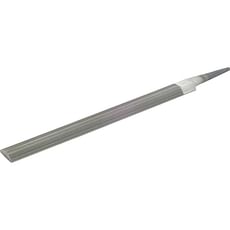
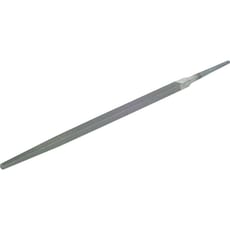
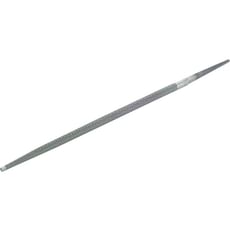
The Nicholson hand file range represents the brand's most recognised product category. Available in lengths from compact 100mm needle files to substantial 350mm workshop files, these tools cover every application from delicate jewellery work to heavy industrial fabrication. Popular variants include flat files for general-purpose work, round files for enlarging holes, half-round files offering versatility, and triangular files perfect for sharp corners and angles.
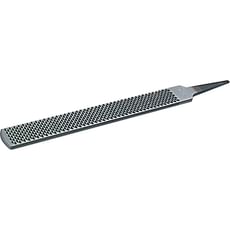
Nicholson rasps are favoured by woodworkers and carpenters for their aggressive cutting action and long-lasting performance. Cabinet rasps, wood rasps, and patternmaker's rasps each offer specific tooth configurations suited to different timber species and working requirements. These tools excel at rapid stock removal whilst maintaining good control for shaping curved and irregular surfaces.
The Nicholson hacksaw range includes both fixed and adjustable frames designed to accommodate standard 300mm blades. Complementing these frames, Tooled-Up.com offers Nicholson's comprehensive selection of replacement blades in various teeth-per-inch configurations, suitable for cutting everything from soft aluminium to hardened steel, ensuring optimal performance across diverse materials.
Safety and Compliance
When using Nicholson hand tools, proper safety practices are essential for preventing injury and achieving optimal results. Always ensure files and rasps are fitted with secure handles before use, as exposed tangs present significant puncture hazards. Inspect tools regularly for damage, including cracked handles, loose ferrules, or worn teeth that could cause slipping and loss of control.
Maintain a clean working environment and secure workpieces properly using appropriate clamping or vice arrangements. Never use excessive force with hand tools, as this increases the risk of tool failure and workpiece movement. When filing or sawing, use smooth, controlled strokes with appropriate pressure—forcing the tool reduces cutting efficiency and increases wear whilst compromising safety.
Store Nicholson hand tools properly to maintain their cutting performance and prevent accidents. Files and rasps should be stored separately to prevent teeth damage from contact with other tools or metal surfaces. Keep tools clean and lightly oiled to prevent rust, particularly in damp workshop environments, and dispose of worn tools responsibly when they no longer cut effectively.
Frequently Asked Questions
What's the difference between single cut and double cut files?
Single cut files feature parallel rows of teeth running diagonally across the face, providing a smooth cutting action ideal for finishing work and producing superior surface quality. Double cut files have a second set of teeth crossing the first at an angle, creating a diamond pattern that cuts more aggressively and removes material faster, making them suitable for rapid stock removal and general-purpose work.
How long should Nicholson files last?
File lifespan depends heavily on usage conditions, materials being worked, and maintenance practices. With proper use—applying appropriate pressure, using the full length of the file, cleaning regularly with a file card, and working on appropriate materials—Nicholson files typically outlast economy alternatives by a considerable margin. Signs that replacement is needed include reduced cutting efficiency, visible tooth wear, or the file skating across the workpiece rather than cutting.
Can Nicholson files be used on hardened steel?
Standard Nicholson files are hardened to cut unhardened and medium-hard steels effectively, but they're not suitable for filing fully hardened tool steels or case-hardened surfaces, which will rapidly dull the teeth. For working with hardened materials, specialised carbide or diamond-coated files are recommended. Always match the file hardness to the workpiece material for optimal performance and tool life.
What teeth-per-inch hacksaw blade should I choose?
Blade selection depends on material thickness and type. For thin materials and harder metals, choose finer blades (24-32 TPI) to ensure multiple teeth engage simultaneously, preventing snagging. For thicker sections and softer materials, coarser blades (14-18 TPI) cut faster with better chip clearance. A general-purpose 24 TPI blade suits most workshop applications. Nicholson offers comprehensive guidance on blade selection for specific materials.
How do I prevent Nicholson files from clogging?
Regular cleaning with a file card (a specialised brush with fine wire bristles) removes metal particles lodged between teeth, maintaining cutting efficiency. Work with appropriate pressure—excessive force packs debris into the teeth—and use chalk on soft metals like aluminium to reduce adhesion. Always push the file in the cutting direction rather than dragging backwards, and lift slightly on the return stroke to prevent unnecessary wear and clogging.