

Ridgid Pipe Cutters
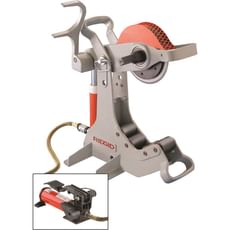
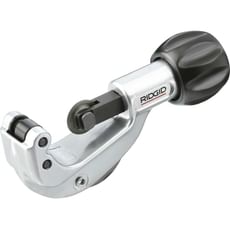
 Loading...
End of content
Error - No more pages to load
Ridgid Pipe Cutters at Tooled-Up.com
Ridgid has been synonymous with professional pipe cutting excellence since 1923, and their pipe cutters remain the benchmark for quality and durability in the plumbing and pipefitting industries. Tooled-Up.com stocks a comprehensive selection of Ridgid pipe cutters, engineered to deliver clean, precise cuts across copper, steel, cast iron, and plastic pipe materials. From compact tube cutters for tight spaces to heavy-duty soil pipe cutters for demanding site work, the Ridgid range provides specialist solutions for every pipe cutting application.
What distinguishes Ridgid pipe cutters from competitors is their unwavering commitment to tool longevity and cutting performance. Each cutter features hardened cutting wheels and robust frame construction designed to withstand years of professional use. Whether you're a plumber tackling daily installations, a heating engineer working with copper pipework, or a maintenance technician requiring reliable cutting tools, Ridgid pipe cutters deliver the precision and consistency that professional tradespeople demand.
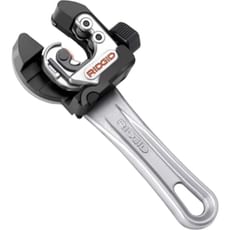
The Ridgid pipe cutting range encompasses manual tube cutters, ratchet-action cutters, quick-acting cutters, and soil pipe cutters, ensuring the right tool for every pipe diameter and material. Their innovative designs incorporate features like X-CEL technology for faster cutting and ergonomic handles that reduce hand fatigue during extended use, making them indispensable tools for any serious tradesperson's kit.
Why Choose Ridgid Pipe Cutters?
Ridgid's reputation in the pipe cutting sector is built on decades of engineering excellence and real-world performance. Their cutters are renowned for producing burr-free cuts that eliminate the need for extensive deburring, saving valuable time on site. The cutting wheels are manufactured from high-grade steel that maintains its edge significantly longer than inferior alternatives, reducing replacement costs and downtime.
Professional tradespeople consistently choose Ridgid for their exceptional build quality. Each pipe cutter undergoes rigorous testing to ensure it can withstand the toughest working conditions, from freezing construction sites to hot plant rooms. The frames resist bending and breaking even under substantial force, whilst the adjustment mechanisms remain smooth and precise throughout the tool's lifespan. This reliability translates directly to fewer tool failures, reduced replacement costs, and uninterrupted workflow on critical jobs.
Another compelling reason to select Ridgid pipe cutters is their extensive size range and specialisation. Whether cutting 6mm copper microbore or 100mm cast iron soil pipe, there's a dedicated Ridgid cutter optimised for the task. This specialisation ensures cleaner cuts, extends tool life, and improves working efficiency compared to using general-purpose alternatives.
Who Uses Ridgid Pipe Cutters?
- Plumbers and heating engineers working with copper, steel, and plastic pipework in domestic and commercial installations
- Pipefitters and steamfitters installing and maintaining industrial piping systems
- Gas engineers requiring precision cuts on gas supply pipes
- HVAC technicians working with refrigeration and air conditioning pipe installations
- Maintenance engineers in factories, hospitals, schools, and commercial buildings
- Construction workers involved in new build and refurbishment projects
- DIY enthusiasts undertaking home plumbing projects requiring professional-quality results
Key Features of Ridgid Pipe Cutters
Ridgid pipe cutters incorporate several distinctive technologies and design features that enhance cutting performance and user experience. The X-CEL wheel pin design increases cutting speed dramatically by providing easier alignment and smoother rolling action through the material. This innovation reduces the number of rotations required to complete a cut, improving productivity on repetitive tasks.
The quick-acting mechanisms found across many Ridgid models allow rapid adjustment between different pipe diameters, eliminating time wasted on thread-based adjustments. Professional plumbers particularly value this feature when working with multiple pipe sizes throughout the day. The ergonomically designed handles feature comfortable grips that reduce hand strain, whilst the knurled feed screws provide excellent grip even when wearing gloves.
Ridgid's cutting wheels are manufactured to exacting standards, featuring sharp, durable edges that slice through pipe materials rather than crushing them. This produces cleaner cuts with minimal distortion, which is especially critical when creating compression or push-fit connections. Many models also incorporate spare cutting wheel storage directly in the frame, ensuring replacement wheels are always to hand when needed on site.
Popular Ridgid Pipe Cutters
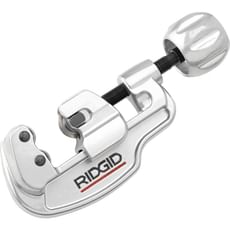
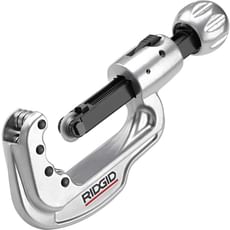
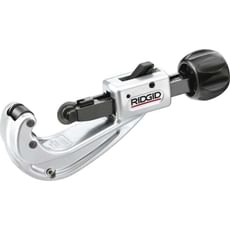
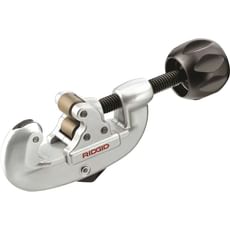
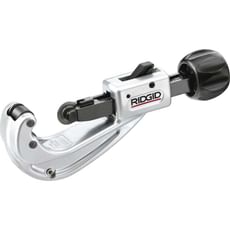
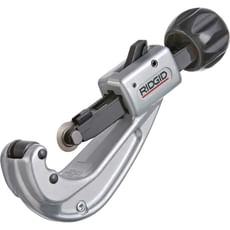
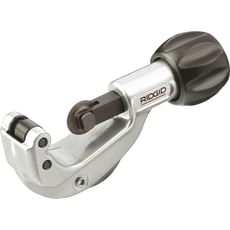
The Ridgid tube cutter range remains one of the most popular choices at Tooled-Up, offering compact, reliable cutting for copper, brass, aluminium, and thin-wall steel tubing from 3mm to 67mm diameter. These cutters feature fold-away reamers for immediate deburring and grooved rollers that provide a firm grip on the pipe during cutting.
For larger diameter applications, Ridgid ratchet-action pipe cutters deliver exceptional cutting power with minimal effort. The ratcheting mechanism allows cutting in confined spaces where full rotations aren't possible, making them invaluable for repair work and tight installations. These models handle steel pipe up to 50mm and are built to withstand heavy daily use.
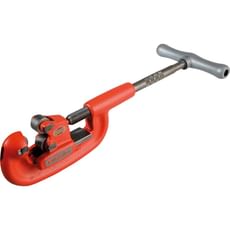
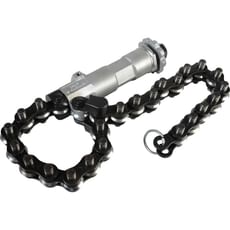
Ridgid soil pipe cutters represent the professional's choice for cutting cast iron and clay drainage pipes. Available in various capacities, these robust cutters slice cleanly through thick-wall materials that would quickly destroy standard tube cutters. The heavy-duty construction and replaceable cutting wheels make them essential tools for drainage specialists and groundworkers.
Safety and Compliance
When using Ridgid pipe cutters, always wear appropriate personal protective equipment including safety glasses to protect against metal shavings and gloves to prevent cuts from sharp edges. Ensure the pipe is properly secured before cutting to prevent movement that could cause injury or damage the cutter.
Ridgid pipe cutters comply with relevant UK and European safety standards for hand tools. Regular maintenance, including cleaning, lubrication of moving parts, and timely replacement of worn cutting wheels, ensures safe operation and optimal performance. Blunt cutting wheels require excessive force and can slip, creating safety hazards and poor-quality cuts.
Always select the appropriate cutter for the pipe material and diameter being worked on. Using an undersized cutter on oversized pipe can result in tool damage and potential injury. When working on gas pipes or pressurised systems, ensure the system is isolated and depressurised before cutting, in accordance with HSE guidelines and Gas Safe regulations.
Frequently Asked Questions
How do I know when to replace the cutting wheel on my Ridgid pipe cutter?
Replace the cutting wheel when you notice increased effort required to make cuts, rough or uneven cut surfaces, or visible damage to the wheel edge. A sharp wheel should cut smoothly with minimal pressure on the feed screw. Regular inspection and timely replacement ensure clean cuts and prevent damage to the pipe surface.
Can Ridgid pipe cutters be used on stainless steel pipe?
Whilst standard Ridgid tube cutters can cut thin-wall stainless steel tubing, thicker-wall stainless steel pipe requires specialist cutting wheels designed for harder materials. Check the specific model's capabilities and consider using cutting wheels rated for stainless steel to achieve optimal results and prevent premature wheel wear.
What's the difference between a tube cutter and a pipe cutter?
Tube cutters are typically designed for thinner-wall materials like copper, brass, and aluminium tubing commonly found in plumbing and HVAC applications. Pipe cutters are built more robustly to handle thicker-wall steel, cast iron, and other heavy-duty materials. Ridgid manufactures both types, each optimised for their specific applications.
How do I maintain my Ridgid pipe cutter for long service life?
After use, wipe down the cutter to remove debris and moisture. Periodically apply a few drops of light machine oil to the cutting wheel pin and feed screw threads. Store in a dry location to prevent rust. Replace cutting wheels before they become excessively worn, and occasionally check that all adjustment mechanisms operate smoothly. Proper maintenance ensures decades of reliable service.
Are Ridgid pipe cutters suitable for plastic pipe?
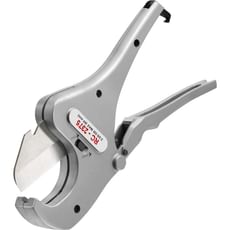
Yes, many Ridgid pipe cutters work excellently on plastic pipes including PVC, ABS, and PEX. However, for best results on plastic materials, consider using Ridgid's plastic pipe cutters or ratchet-action cutters specifically designed for these materials, which prevent crushing and ensure clean, square cuts essential for proper fitting assembly.