

Roughneck Bricklaying & Plastering Tools

 Loading...
End of content
Error - No more pages to load
Roughneck Bricklaying & Plastering Tools at Tooled-Up.com
Roughneck has established itself as a trusted name in the construction industry, delivering robust and reliable bricklaying and plastering tools that meet the demanding requirements of professional tradespeople. Known for their exceptional build quality and practical design, Roughneck bricklaying and plastering tools are engineered to withstand the rigours of daily site work whilst maintaining precision and comfort throughout extended use.
The Roughneck range encompasses essential equipment for both bricklaying and plastering applications, from precision trowels and floats to brick bolsters and mixing tools. Each product is designed with the end-user in mind, incorporating features that enhance productivity and reduce fatigue during those long shifts on site. Tooled-Up.com stocks a comprehensive selection of Roughneck bricklaying and plastering tools, ensuring tradespeople have access to dependable equipment that delivers consistent results across residential, commercial, and industrial projects.
Whether you're laying foundations, building walls, or applying finishing coats, Roughneck tools provide the reliability and performance that professionals demand. Their commitment to quality materials and functional design has made them a go-to brand for tradespeople who refuse to compromise on tool performance.
Why Choose Roughneck Bricklaying & Plastering Tools?
Roughneck's reputation is built on delivering exceptional value without sacrificing quality. Their bricklaying and plastering tools are manufactured using premium materials that ensure longevity even under the harshest working conditions. The brand understands that downtime caused by tool failure can be costly, which is why each product undergoes rigorous testing to meet professional standards.
One of the standout features of Roughneck tools is their ergonomic design philosophy. Handles are carefully shaped to reduce hand strain and improve grip, even when working with wet materials or wearing gloves. This attention to user comfort translates directly into improved productivity and reduced risk of repetitive strain injuries that can plague tradespeople working long hours.
The brand's dedication to innovation means that traditional tool designs are constantly refined and improved. Roughneck incorporates feedback from working professionals to create tools that solve real-world problems encountered on construction sites. From improved balance in trowels to enhanced durability in striking tools, every design decision is made with the tradesperson's needs at the forefront.
Who Uses Roughneck Bricklaying & Plastering Tools?
Roughneck bricklaying and plastering tools are trusted by a diverse range of professionals and enthusiasts, including:
- Professional bricklayers working on residential and commercial construction projects
- Plasterers and rendering specialists requiring reliable finishing tools
- General builders who need versatile tools for multiple trades
- Maintenance contractors performing repair and renovation work
- Construction apprentices investing in their first quality tool kit
- DIY enthusiasts undertaking home improvement and extension projects
- Heritage restoration specialists working on period properties
- Groundworkers requiring robust tools for foundation work
Key Features of Roughneck Bricklaying & Plastering Tools
Roughneck bricklaying and plastering tools incorporate several distinctive features that set them apart from competitors. High-carbon steel construction ensures blades and striking surfaces maintain their edge and resist deformation even after thousands of uses. This durability is particularly important for tools like brick bolsters and cold chisels that must withstand repeated heavy impacts.
The brand utilises advanced handle materials that provide superior grip whilst remaining comfortable during extended use. Many Roughneck tools feature shock-absorbing handles that reduce vibration transmission to the user's hands and arms, minimising fatigue and improving control. This is especially beneficial when working with striking tools or when applying consistent pressure during trowelling operations.
Precision manufacturing processes ensure that Roughneck trowels and floats have perfectly flat surfaces that enable smooth, even application of mortars and plasters. The careful balance of each tool means less effort is required to achieve professional results, allowing tradespeople to work more efficiently throughout the day. Corrosion-resistant finishes protect metal components from the harsh chemicals found in building materials, extending tool life considerably.
Popular Roughneck Bricklaying & Plastering Tools
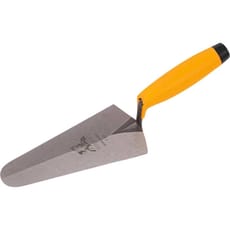
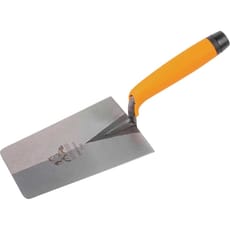
The Roughneck bricklaying and plastering tools collection available from Tooled-Up includes several essential categories. Brick trowels in various sizes suit different applications, from laying blocks to pointing work, with blade geometries optimised for different mortar consistencies and brick types.
Plastering trowels and finishing tools provide the smooth, flat surfaces necessary for achieving professional finishes on walls and ceilings. The range includes both stainless steel and carbon steel options to suit different materials and personal preferences.
Brick bolsters and cold chisels feature hardened striking faces and precision-ground cutting edges that make light work of cutting bricks, blocks, and removing excess mortar. Hawks and floats complete the essential toolkit, with various sizes and materials available for different plastering techniques and finishes.
Mixing tools and buckets ensure materials are properly prepared before application, whilst jointing and pointing tools provide the finishing touches that define quality masonry work.
Safety and Compliance
When using Roughneck bricklaying and plastering tools, adherence to HSE guidelines is essential for maintaining a safe working environment. Always wear appropriate personal protective equipment including safety glasses or goggles when striking or cutting materials, as fragments can cause serious eye injuries. Steel toe-capped boots protect feet from dropped tools and materials, whilst heavy-duty work gloves provide hand protection without compromising grip.
Striking tools should be inspected regularly for mushrooming on striking faces, which should be dressed down to prevent dangerous metal fragments from breaking off during use. When working at height with plastering tools, ensure proper scaffolding and edge protection are in place, and maintain three points of contact when climbing ladders. Tools should be stored securely to prevent trips and falls on site, and cutting tools must be kept sharp, as blunt tools require excessive force and increase the risk of accidents.
Frequently Asked Questions
Are Roughneck bricklaying trowels suitable for professional daily use?
Yes, Roughneck bricklaying trowels are specifically designed for professional tradespeople who demand reliable performance day after day. Their robust construction and quality materials ensure they withstand the rigours of continuous site work whilst maintaining their shape and functionality.
What's the difference between stainless steel and carbon steel plastering trowels?
Stainless steel trowels resist corrosion and are easier to clean, making them ideal for finishing coats and working with lime-based materials. Carbon steel trowels are often preferred for applying base coats as they provide excellent flexibility and can be more responsive to the plasterer's technique.
How do I maintain my Roughneck bricklaying and plastering tools?
Clean tools thoroughly after each use to remove mortar and plaster before it sets. Dry metal components completely and apply a light coating of oil to prevent rust. Store tools in a dry location, and regularly check handles for damage or looseness, tightening or replacing as necessary.
Can Roughneck brick bolsters be used with power tools?
No, Roughneck brick bolsters are designed for manual striking with a club hammer or lump hammer only. Using them with power tools can cause dangerous tool failure and void any warranty. For power tool applications, use specifically designed SDS chisels with appropriate rotary hammers.
What size brick trowel should I choose?
Trowel size depends on the application and personal preference. Larger trowels (280mm-300mm) are ideal for laying blocks and large bricks efficiently, whilst smaller trowels (250mm-270mm) offer better control for detailed work, pointing, and when working in confined spaces. Many professionals keep multiple sizes for different tasks.