

Roughneck Floor Chisels
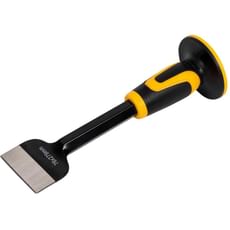
 Loading...
End of content
Error - No more pages to load
Roughneck Floor Chisels at Tooled-Up.com
Roughneck has established itself as a trusted name in heavy-duty hand tools, and their floor chisels exemplify the brand's commitment to robust construction and uncompromising durability. Designed specifically for the demanding tasks of floor removal, tile lifting, and surface preparation, Roughneck floor chisels are engineered to withstand the punishment of professional site work whilst maintaining their cutting edge and structural integrity.
The Roughneck floor chisel range available from Tooled-Up.com combines premium-grade steel construction with ergonomic design principles, ensuring that tradespeople can tackle the toughest flooring jobs with confidence. From removing stubborn vinyl tiles and lifting old carpets to breaking up adhesive residue and levelling concrete surfaces, these chisels are built to handle the repetitive impacts and lateral forces that characterise floor renovation work.
Whether you're stripping out an entire commercial property or preparing residential floors for new coverings, Roughneck's floor chisels deliver the performance and longevity that professionals demand. Each chisel in the range features carefully engineered blade angles and hardened striking surfaces that work seamlessly with both manual hammers and power tools, making them versatile additions to any toolkit.
Why Choose Roughneck Floor Chisels?
Roughneck's reputation in the professional tool market stems from their unwavering focus on durability and value for money. Their floor chisels are forged from high-carbon steel that's been heat-treated to achieve the optimal balance between hardness and toughness – hard enough to maintain a sharp edge through extended use, yet tough enough to resist chipping or shattering under heavy impacts.
The brand's no-nonsense approach to tool design means every floor chisel is built to perform rather than impress with unnecessary features. Roughneck chisels feature protective hand guards to shield fingers from glancing hammer blows, textured grips for secure handling even with gloved hands, and precisely ground blade edges that bite into materials effectively. These tools are engineered for British tradespeople who need equipment that will survive the rigours of daily professional use without breaking the bank.
Roughneck's commitment to quality control ensures consistent performance across their range, whilst their competitive pricing makes professional-grade tools accessible to both established contractors and those just starting out in the trades. The brand understands that floor removal work is physically demanding and time-sensitive, so their chisels are designed to maximise efficiency and minimise user fatigue during extended periods of use.
Who Uses Roughneck Floor Chisels?
- Flooring Specialists – professionals who install and remove carpets, vinyl, laminate, and hardwood flooring
- General Builders – contractors undertaking renovation projects that require floor preparation and removal
- Tilers – tradespeople removing old tiles and preparing substrates for new installations
- Property Developers – those managing refurbishment projects requiring comprehensive floor stripping
- Maintenance Teams – facilities managers and maintenance professionals handling repairs and upgrades
- DIY Enthusiasts – homeowners tackling their own renovation projects who need reliable professional-quality tools
- Demolition Contractors – specialists involved in strip-out work requiring robust, impact-resistant tools
Key Features of Roughneck Floor Chisels
Roughneck floor chisels incorporate several distinctive features that enhance their performance and longevity. The drop-forged construction creates a denser, stronger tool compared to cast alternatives, with continuous grain structure throughout the chisel that significantly improves impact resistance. Each blade is precision-ground to create the ideal cutting angle for floor work – shallow enough to slide beneath stubborn materials yet steep enough to provide effective leverage.
The striking heads are specifically engineered to withstand repeated hammer blows without mushrooming or deforming, a common failure point in inferior chisels. Roughneck achieves this through careful heat treatment processes that harden the striking surface whilst maintaining flexibility in the shaft to absorb shock. The hand guards are generously proportioned and positioned to protect hands from both direct strikes and debris without interfering with tool control.
Handle design receives particular attention, with contoured grips that distribute pressure across the palm and reduce hot spots during extended use. The bi-material construction common in many Roughneck floor chisels combines a rigid core for strength with softer overmoulded sections for comfort and vibration damping. Wide chisel blades are available for efficient removal of large floor areas, whilst narrower profiles suit detail work around edges and in confined spaces.
Popular Roughneck Floor Chisels
The Roughneck floor chisel range at Tooled-Up typically includes several blade widths to suit different applications. Wide-blade floor chisels, often available in 75mm to 100mm widths, excel at removing large sections of vinyl, linoleum, and carpet underlay, allowing tradespeople to clear floor areas quickly. These broader chisels work particularly well when used with club hammers or SDS breakers fitted with chisel adaptors.
Medium-width floor chisels around 50mm provide versatility for general floor preparation work, offering enough blade coverage for efficiency whilst remaining manoeuvrable in tighter spaces. Narrow floor chisels and bolster chisels complement the range, providing precision when working around skirting boards, in corners, or when removing stubborn adhesive patches that require more targeted attention.
Roughneck also produces specialist floor scrapers and lifting tools that work alongside their chisel range, creating a comprehensive toolkit for floor renovation projects. Many professionals maintain several Roughneck floor chisels in different widths, rotating between them as they wear to ensure consistent performance throughout demanding projects.
Safety and Compliance
When using Roughneck floor chisels, adherence to Health and Safety Executive (HSE) guidelines is essential. Always wear appropriate personal protective equipment including safety glasses or goggles to protect against flying debris, heavy-duty work gloves to protect hands, and steel-toe-capped boots in case tools are dropped. Knee protection is particularly important during floor work, where extended periods in kneeling positions can cause long-term joint damage.
Inspect chisels before each use for signs of damage, particularly mushrooming on the striking head which can create dangerous metal splinters upon impact. Any damaged tools should be withdrawn from service immediately. When striking floor chisels, use controlled blows with appropriate force – excessive striking can damage both the tool and the underlying floor structure. Ensure adequate ventilation when removing old flooring materials, as adhesives and backing materials may contain substances requiring COSHH assessment.
Store Roughneck floor chisels in a dry environment to prevent rust formation, and maintain blade edges through periodic sharpening to ensure clean, efficient cutting that requires less force. When working on occupied sites, establish clear exclusion zones to protect others from flying debris and ensure all removed flooring materials are disposed of in accordance with current waste regulations.
Frequently Asked Questions
What's the difference between a floor chisel and a standard cold chisel?
Floor chisels feature wider, flatter blades specifically designed to slide beneath flooring materials and provide leverage over a larger surface area. They typically have shallower blade angles optimised for lifting rather than cutting through metal, and often include hand guards to protect fingers during the repetitive striking involved in floor removal work. Roughneck floor chisels are substantially more robust than general-purpose cold chisels to withstand the demanding nature of flooring applications.
Can Roughneck floor chisels be used with power tools?
Yes, many Roughneck floor chisels can be used with SDS breakers and demolition hammers when fitted with appropriate chisel adaptors. However, always verify that your specific chisel model is suitable for power tool use, as some are designed exclusively for manual striking. When using power tools, wear hearing protection and take regular breaks to minimise vibration exposure in accordance with HSE guidance on hand-arm vibration syndrome (HAVS).
How do I maintain the cutting edge on my Roughneck floor chisel?
Regularly inspect the blade edge and touch up with a bench grinder or file when dulling occurs. Maintain the original blade angle – typically around 20-30 degrees for floor work – and grind evenly across the width to prevent creating weak spots. After grinding, remove any burrs with a file. If the blade becomes severely damaged or worn beyond half its original width, replacement is more cost-effective than continued sharpening.
What blade width should I choose for general floor removal work?
For versatile general-purpose use, a 50-75mm blade width provides an excellent balance between coverage and manoeuvrability. This size works effectively for most vinyl, carpet, and tile removal tasks whilst remaining manageable in confined spaces. Professional flooring contractors often maintain both a wide blade (75-100mm) for open areas and a narrower option (25-50mm) for detail work, ensuring they have the right tool for every situation.
Are Roughneck floor chisels suitable for removing ceramic tiles?
Yes, Roughneck floor chisels are well-suited to tile removal when used correctly. Position the blade at a shallow angle beneath the tile edge and strike firmly to break the adhesive bond. Work systematically across the floor rather than attempting to pry tiles up with excessive force, which can damage the substrate. For particularly stubborn tiles, an SDS breaker with a tile chisel attachment may prove more efficient, though manual Roughneck chisels offer greater control in sensitive areas.