

Roughneck Log Splitting Axes

 Loading...
End of content
Error - No more pages to load
Roughneck Log Splitting Axes at Tooled-Up.com
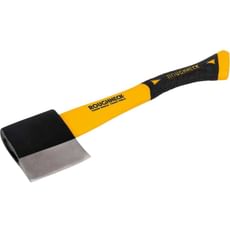
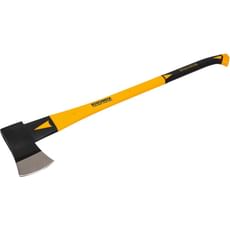
Roughneck has built a formidable reputation in the hand tools industry, and their log splitting axes exemplify the brand's commitment to robust construction and uncompromising performance. Designed specifically for the demanding task of splitting logs for firewood, these axes combine traditional axe-making principles with modern materials and manufacturing techniques to deliver tools that both professional foresters and domestic firewood enthusiasts can rely upon season after season.
The Roughneck Log Splitting Axes available from Tooled-Up.com showcase the brand's characteristic no-nonsense approach to tool design. Every axe in the range features carefully selected materials and engineering that prioritises splitting efficiency over purely aesthetic concerns. The result is a collection of axes that excel at cleaving through seasoned and green wood alike, making light work of what can otherwise be an arduous task during the colder months.
Whether you're preparing firewood for a commercial operation, maintaining woodland as part of estate management, or simply keeping your home supplied with split logs for a wood burner or open fireplace, Roughneck's log splitting axes deliver the combination of power, control and durability that the job demands.
Why Choose Roughneck Log Splitting Axes?
Roughneck has earned its place as a trusted name among tradespeople and serious DIY users through consistent delivery of tools that withstand real-world punishment. Their log splitting axes embody this philosophy with drop-forged heads manufactured to exacting standards, ensuring optimal weight distribution and edge retention. The hardened cutting edges maintain their sharpness through extended use, whilst the axe geometry is specifically optimised for splitting rather than felling – a crucial distinction that significantly affects performance.
The handles on Roughneck log splitting axes receive particular attention, typically featuring fibreglass or hickory construction with ergonomic profiling that reduces hand fatigue during extended splitting sessions. Anti-vibration technology helps minimise shock transmission to the user's arms and shoulders, making these axes noticeably more comfortable to use compared to budget alternatives. The secure head-to-handle connection utilises proven methods that prevent the dangerous situation of a loose axe head – a critical safety consideration when swinging a heavy cutting tool with considerable force.
Roughneck's commitment to value is evident throughout their log splitting axe range. These aren't premium boutique tools with corresponding price tags, but rather practical, well-engineered implements that deliver professional performance at prices that won't break the budget. This combination of quality and affordability has made Roughneck a go-to brand for users who need reliable tools without unnecessary frills.
Who Uses Roughneck Log Splitting Axes?
- Forestry workers processing felled timber on-site
- Groundskeepers and estate managers maintaining wooded areas and preparing firewood
- Agricultural workers on farms requiring regular firewood supplies
- Landscapers dealing with tree surgery waste and timber processing
- Campsite operators preparing kindling and split logs for guests
- Firewood merchants processing logs for retail sale
- Homeowners with wood-burning stoves, open fireplaces or outdoor fire pits
- Outdoor enthusiasts and bushcraft practitioners requiring reliable splitting tools
- Allotment holders and smallholders managing sustainable fuel sources
Key Features of Roughneck Log Splitting Axes
Roughneck log splitting axes incorporate several design features that distinguish them from generic splitting tools. The drop-forged steel heads provide exceptional strength and durability, with the forging process creating a dense grain structure that resists chipping and deformation even when striking knotty or frozen wood. The cutting edge geometry features a convex profile specifically engineered to drive wood fibres apart rather than simply cutting through them – this wedge action is what makes a splitting axe so effective compared to a general-purpose felling axe.
Handle design varies across the range but consistently emphasises user comfort and control. Fibreglass-handled models offer excellent strength-to-weight ratios and complete immunity to weather-related degradation, whilst hickory-handled variants provide the traditional feel and natural shock absorption that many users prefer. Both options feature textured grip zones that maintain control even when hands are wet or gloved, and the handle lengths are optimised to generate sufficient swing momentum whilst remaining manageable in confined spaces.
The head weight distribution on Roughneck splitting axes is carefully calibrated to maximise splitting efficiency. Heavier heads generate more kinetic energy for stubborn logs, whilst maintaining balance that doesn't require excessive physical effort to control. Many models feature protective coatings on the head that resist rust and reduce friction as the blade enters the wood, helping prevent the axe from binding in partially split logs.
Popular Roughneck Log Splitting Axes
The Tooled-Up Roughneck collection typically includes several distinct models catering to different user requirements and preferences. Standard splitting axes with fibreglass handles represent the workhorses of the range, offering durability and weather resistance for users who leave tools in sheds or outdoor storage. These models typically feature heads in the 2-3kg range, providing sufficient mass for effective splitting without becoming unwieldy.
Traditional wooden-handled splitting axes appeal to users who prefer the classic feel and natural materials. These axes often incorporate American hickory handles selected for straight grain and shock-absorbing properties, with the wood treated to resist moisture whilst maintaining its beneficial characteristics. The connection between head and handle uses time-tested wedge methods enhanced with modern adhesives for maximum security.
Mauls – the heavy-duty cousins of splitting axes – also feature in Roughneck's range for users tackling particularly large or difficult logs. These tools combine increased head weight with sledgehammer-like striking faces opposite the blade, allowing them to double as driving tools for splitting wedges when confronted with truly stubborn rounds.
Safety and Compliance
Roughneck manufactures its log splitting axes to meet relevant British and European safety standards, ensuring the tools are fit for purpose and appropriately constructed. Users should always wear suitable protective equipment when splitting logs, including safety boots with steel toecaps, impact-resistant gloves, and eye protection to guard against flying splinters. The Health and Safety Executive (HSE) provides guidance on manual handling and the use of striking tools that applies to log splitting activities.
Proper axe maintenance is essential for safe operation. Keeping the cutting edge sharp actually improves safety by reducing the force required and minimising deflection risks. Regular inspection of the handle-to-head connection is crucial – any looseness should be addressed immediately before further use. Store axes with blade guards fitted to protect both the edge and anyone handling stored tools, and never leave axes embedded in chopping blocks where they present trip and injury hazards.
Frequently Asked Questions
What's the difference between a splitting axe and a felling axe?
Roughneck splitting axes feature thicker, more wedge-shaped heads designed to force wood fibres apart, whilst felling axes have thinner profiles for cutting across grain. Splitting axes are specifically engineered for processing logs into firewood, making them far more effective for this purpose than general-purpose axes.
Should I choose a fibreglass or wooden handle for my Roughneck splitting axe?
Fibreglass handles offer superior durability, weather resistance and consistency, making them ideal for tools left in outdoor storage or used in wet conditions. Wooden hickory handles provide excellent shock absorption and a traditional feel that many users prefer, but require more careful storage and maintenance to prevent degradation.
How do I maintain the edge on my Roughneck log splitting axe?
Regular sharpening with a mill file or grinding wheel maintains optimal performance. Splitting axes don't require the razor-sharp edge of felling axes – a slightly convex edge around 25-30 degrees works best. Remove any burrs or rolling on the edge after each use, and perform more thorough sharpening periodically depending on usage frequency.
What weight splitting axe should I choose?
For most users, a 2-3kg head weight provides the best balance of splitting power and controllability. Lighter users or those splitting smaller diameter logs may prefer axes towards the lower end of this range, whilst those regularly processing large hardwood rounds might opt for heavier mauls exceeding 3kg.
Can Roughneck splitting axes handle frozen wood?
Yes, the drop-forged construction and properly tempered steel of Roughneck axes can handle frozen wood, though all axes work more effectively on seasoned wood at ambient temperature. Take extra care with frozen logs as they're more likely to cause deflection, and ensure your splitting block is stable to prevent dangerous ricochets.