

Roughneck Shovels
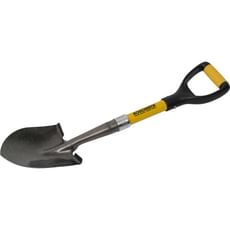
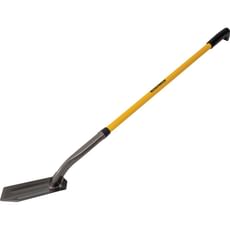
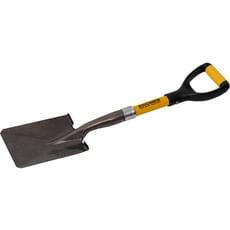
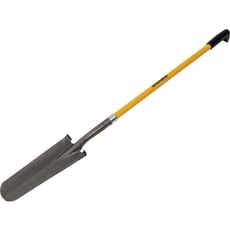
 Loading...
End of content
Error - No more pages to load
Roughneck Shovels at Tooled-Up.com
Roughneck has established itself as a trusted name in the construction and groundworks sectors, delivering robust, professional-grade shovels that stand up to the toughest jobsite conditions. Known for their no-nonsense approach to tool design, Roughneck shovels combine heavy-duty construction with practical ergonomics, making them the go-to choice for tradespeople who demand reliability day after day. Whether you're excavating foundations, moving aggregate, or landscaping, Roughneck's range of shovels delivers the durability and performance that professionals expect.
The Roughneck shovel collection available from Tooled-Up.com encompasses a comprehensive selection designed for various applications across construction, groundworks, and landscaping projects. From traditional treaded digging shovels and square-mouth variants to specialist drain shovels and trenching tools, each product is engineered to withstand intensive use. Roughneck's commitment to quality manufacturing ensures that every shovel features reinforced blade construction, secure shaft attachment, and comfortable grip designs that reduce fatigue during extended use.
Roughneck shovels are particularly valued for their British manufacturing heritage and understanding of the demanding conditions faced by UK tradespeople. The brand's attention to blade geometry, steel quality, and handle ergonomics reflects decades of feedback from professional users who require tools that won't let them down when the workload intensifies. These aren't disposable DIY tools – they're professional implements built to last through years of hard graft.
Why Choose Roughneck Shovels?
Roughneck has built its reputation on delivering exceptional value without compromising on quality – a philosophy that's evident throughout their shovel range. The brand understands that a shovel is often the most-used tool on many jobsites, which is why they've focused on creating products that balance strength, weight, and usability. Roughneck shovels typically feature heat-treated carbon steel blades that resist bending and maintain their edge even in rocky or compacted ground conditions.
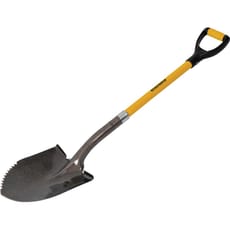
One of the standout characteristics of Roughneck shovels is their practical design approach. Rather than adding unnecessary features, the brand concentrates on getting the fundamentals right: properly tempered steel, secure socket connections that won't work loose, and comfortable handles that provide excellent grip even in wet conditions. Many Roughneck shovels incorporate treaded steps on the blade shoulders, allowing users to apply boot pressure for maximum digging force without damaging footwear or losing purchase.
The durability of Roughneck shovels translates directly into cost-effectiveness for professional users. These tools are designed to handle the repetitive strain of commercial use, reducing replacement frequency and minimising downtime. For contractors managing tool inventories across multiple sites, Roughneck's reliability means fewer emergency replacements and better return on equipment investment.
Who Uses Roughneck Shovels?
Roughneck shovels are specified by a wide range of professionals and trades across the UK construction and groundworks sectors:
- Groundworkers and excavation contractors who require durable digging tools for foundation work, trenching, and site preparation
- Landscapers and garden contractors who need reliable shovels for earth moving, aggregate handling, and turf work
- Builders and general contractors who depend on versatile shovels for mixing, moving materials, and site clearance
- Highways maintenance teams who use shovels for tarmac work, drainage maintenance, and roadside operations
- Agricultural workers and estate managers who require robust tools for farm maintenance and land management
- Utility companies and civil engineers working on infrastructure projects requiring specialist trenching and drain shovels
- Local authority maintenance teams responsible for parks, public spaces, and municipal groundworks
- Serious DIY enthusiasts undertaking substantial garden projects, driveways, or self-build work
Key Features of Roughneck Shovels
Roughneck shovels incorporate several distinctive features that enhance their performance and longevity. The blades are manufactured from high-quality carbon steel that's heat-treated to achieve the optimal balance between hardness and flexibility – hard enough to penetrate compacted ground, yet flexible enough to resist shattering under impact. This careful metallurgy ensures that Roughneck shovel blades maintain their shape even after years of demanding use.
The shaft and socket connections on Roughneck shovels are engineered for maximum strength and reliability. Many models feature solid socket construction where the blade socket extends well up the shaft, providing superior load distribution and preventing the common failure point where blade meets handle. The shafts themselves are typically manufactured from seasoned hardwood or fibreglass, selected for their strength-to-weight ratio and vibration-dampening properties.
Ergonomic considerations feature prominently in Roughneck's shovel designs. Handle grips are contoured to reduce hand fatigue and improve purchase, whilst blade angles are optimised for efficient scooping and throwing action. The treaded blade shoulders found on many Roughneck digging shovels are generously proportioned, allowing users to apply full body weight through their boots without the discomfort or instability associated with narrower treads.
Popular Roughneck Shovels
The Roughneck selection at Tooled-Up includes several popular variants designed for specific applications. All-steel digging shovels offer maximum durability for heavy-duty excavation work, with one-piece construction that eliminates weak points entirely. These are particularly favoured by contractors working in demanding conditions where tool failure could cause costly delays.
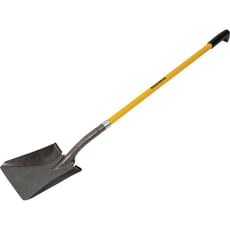
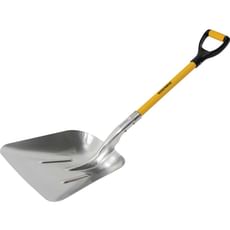
Square-mouth shovels from Roughneck excel at moving loose materials – aggregate, sand, gravel, and soil – with their wide, flat blades maximising load capacity whilst minimising spillage. The straight cutting edge also makes these shovels ideal for scraping and levelling tasks. Trenching and drain shovels feature narrow, pointed blades specifically designed for working in confined spaces, cleaning out trenches, and shaping drainage channels with precision.
Roughneck's range also includes solid forged shovels where blade and socket are formed from a single piece of steel, providing exceptional strength for the most demanding professional applications. Fibreglass-handled variants offer excellent durability with reduced weight, making them popular with users who need to work extended shifts or carry tools over distance.
Safety and Compliance
Whilst shovels are relatively simple tools, their safe use is essential for preventing workplace injuries. Roughneck shovels should be inspected regularly for damage including cracked or splintered handles, loose sockets, and damaged blade edges that could cause injury. Handles should be checked for integrity before each use, particularly after the shovel has been subjected to heavy impacts or used as a lever.
When using Roughneck shovels for digging operations, users should be aware of underground services and always follow HSE guidelines regarding excavation work. Proper lifting technique is crucial – bend at the knees rather than the back, keep loads manageable, and avoid twisting motions whilst carrying loads. The treaded steps on digging shovels should be used with appropriate safety footwear to prevent foot injuries.
Storage and maintenance significantly impact both safety and longevity. Shovels should be stored in dry conditions to prevent rust formation on steel components and degradation of wooden handles. Blade edges should be kept reasonably sharp to reduce the effort required for cutting into ground, thereby reducing user fatigue and the risk of strain injuries. Any shovel showing structural damage should be withdrawn from service immediately.
Frequently Asked Questions
What's the difference between Roughneck all-steel and wooden-handled shovels?
All-steel Roughneck shovels offer maximum durability and eliminate the handle as a potential failure point, making them ideal for the most demanding professional applications. Wooden-handled variants provide better vibration dampening and are often preferred for extended use where comfort is important. Both constructions are extremely durable when properly maintained, so the choice often comes down to personal preference and specific application requirements.
Are Roughneck shovels suitable for rocky or hard ground conditions?
Yes, Roughneck shovels are specifically designed to handle tough ground conditions. The heat-treated carbon steel blades resist damage from rocks and compacted soil, whilst the reinforced socket construction prevents loosening under impact. However, shovels should not be used as pry bars or levers, as this can damage even the most robust construction. For extremely hard ground, consider using a mattock or pickaxe to break up the material first.
How do I maintain my Roughneck shovel to maximise its lifespan?
Clean your Roughneck shovel after each use to remove soil and moisture, which can cause rust on steel components. Store in dry conditions and apply a light coating of oil to the blade if the tool won't be used for extended periods. Wooden handles benefit from occasional treatment with linseed oil to prevent drying and splitting. Keep the blade edge reasonably sharp using a file, and check socket connections periodically to ensure they remain secure.
Can Roughneck shovels be used for mixing concrete or mortar?
Whilst Roughneck shovels are robust enough to handle mixing tasks, square-mouth variants are generally more suitable than pointed digging shovels for this purpose. The flat blade and straight edge of a square-mouth shovel make mixing and scooping wet concrete much easier. However, be aware that regular exposure to cement can be corrosive – always clean the shovel thoroughly after mixing work and consider having a dedicated mixing shovel if this is a frequent task.
What size shovel should I choose for general construction work?
For general construction and groundworks, a standard-size treaded digging shovel with a blade length of approximately 290mm provides the best balance between digging capacity and manoeuvrability. This size offers sufficient load capacity for productive work whilst remaining manageable during extended use. Consider your physical build and the typical working environment – smaller users or those working in confined spaces may prefer a slightly smaller blade, whilst larger operators moving loose materials might opt for a bigger square-mouth variant.