

Scan Safety & Warning Signs








 Loading...
End of content
Error - No more pages to load
Scan Safety & Warning Signs at Tooled-Up.com
Scan has established itself as one of the UK's most trusted manufacturers of safety and warning signs, delivering comprehensive workplace safety solutions that meet the demanding requirements of British industry and commerce. With decades of experience in producing high-quality signage, Scan combines robust materials, clear messaging, and full compliance with UK safety regulations to create signs that protect workers and visitors across countless sites. The extensive Scan Safety & Warning Signs collection available from Tooled-Up.com encompasses everything from mandatory PPE notices and hazard warnings to fire safety signage and prohibition signs, all designed to communicate critical safety information instantly and effectively.
Whether you're a facilities manager responsible for a large industrial complex, a construction site supervisor ensuring contractor compliance, or a small business owner fulfilling your duty of care obligations, Scan provides the essential safety signage needed to maintain a safe working environment. Every sign in the range is manufactured to exacting standards, featuring weather-resistant materials for outdoor use, UV-stable inks that won't fade in sunlight, and construction methods that ensure longevity even in harsh industrial environments. Tooled-Up stocks an impressive selection of Scan signs covering all major safety categories, including warning signs for electrical hazards, mandatory action signs for PPE requirements, prohibition signs for restricted areas, and informational signs for emergency procedures.
Scan's commitment to clarity and compliance shines through in their attention to detail. Each sign features internationally recognised symbols alongside clear text in easily readable fonts, ensuring that safety messages are understood regardless of language barriers or literacy levels. The range includes both self-adhesive vinyl signs for smooth indoor surfaces and rigid plastic signs for mounting in high-traffic or outdoor locations, giving you the flexibility to implement comprehensive safety signage throughout any workplace.
Why Choose Scan Safety & Warning Signs?
Scan has built an enviable reputation in the UK safety market by consistently delivering signage that balances affordability with uncompromising quality. Unlike cheaper imported alternatives that fade, peel, or become illegible within months, Scan signs are engineered for the British climate and the demanding conditions found in real-world workplaces. The brand's focus on compliance means every sign adheres to the Health and Safety (Safety Signs and Signals) Regulations 1996, incorporating the correct colours, symbols, and dimensions specified in BS EN ISO 7010 and other relevant British and European standards.
The durability of Scan signage represents exceptional value for money. Constructed from materials selected specifically for longevity, these signs resist the effects of moisture, temperature fluctuations, chemical exposure, and physical wear that would quickly destroy inferior products. The self-adhesive versions feature high-tack backing that bonds securely to clean surfaces, whilst the rigid signs are pre-drilled for straightforward mounting with appropriate fixings. This attention to practical installation details reflects Scan's understanding of real workplace conditions where time is valuable and signs need to stay in place reliably.
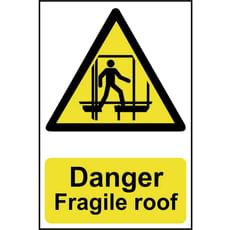
Scan also excels in offering breadth of choice. The range covers every conceivable safety message you might need to display, from specific hazard warnings about confined spaces or fragile roofs to general reminders about handwashing or speed limits on site. This comprehensive approach means specifiers can source all their safety signage from a single trusted manufacturer, ensuring visual consistency across their facilities whilst simplifying procurement and ensuring uniform quality standards.
Who Uses Scan Safety & Warning Signs?
Scan Safety & Warning Signs serve an incredibly diverse user base across the UK economy. Construction site managers and principal contractors rely on Scan signage to fulfil their legal obligations under CDM regulations, clearly marking hazards and mandatory requirements for the numerous trades working on their sites. Facilities managers in commercial, industrial, and public sector buildings choose Scan signs to maintain compliant, safe environments for employees and visitors alike.
Manufacturing and warehouse operations depend on Scan signage to identify hazardous machinery, forklift routes, restricted areas, and emergency equipment. Health and safety officers across all sectors specify Scan products when conducting risk assessments and implementing control measures. Maintenance contractors, electricians, plumbers, and other specialist tradespeople frequently purchase Scan signs to mark specific hazards they've identified or created during their work, such as electrical isolation points or temporary hazards.
Smaller businesses, including retail outlets, workshops, garages, and hospitality venues, also form a significant part of Scan's customer base. These organisations appreciate the straightforward pricing and clear compliance offered by Scan signs, which help them meet their health and safety obligations without requiring specialist knowledge or expensive consultancy. Landlords and property managers likewise rely on Scan signage to maintain safe communal areas and clearly mark emergency routes in residential and commercial properties.
Key Features of Scan Safety & Warning Signs
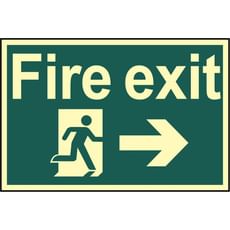
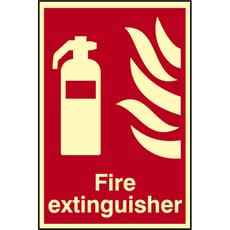
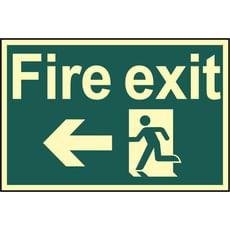
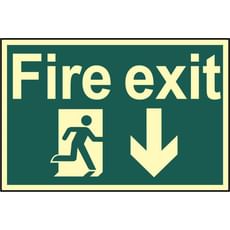
Scan Safety & Warning Signs incorporate several distinctive features that elevate them above generic safety signage. The photoluminescent options within the range glow in darkness after exposure to light, providing crucial visibility during power failures or in smoke-filled environments—absolutely essential for fire exit signs and emergency equipment markers. These signs meet the requirements of BS 5499 and the Regulatory Reform (Fire Safety) Order 2005, making them suitable for specifying in commercial premises where emergency egress must remain identifiable under all conditions.
The materials used across the Scan range demonstrate careful selection for purpose. Self-adhesive vinyl signs feature a smooth, professional finish ideal for interior applications on painted walls, doors, and equipment housings. For more demanding environments, rigid plastic signs (typically 1mm polypropylene or PVC) offer impact resistance and the ability to be securely mounted with screws or cable ties. Some signs in the range feature aluminium construction for maximum durability in outdoor or corrosive environments, whilst others use non-reflective finishes to prevent glare from artificial lighting.
The graphics and text on Scan signs utilise high-quality printing processes that ensure excellent colour saturation and sharp detail. The standardised colour coding—safety green for first aid and emergency egress, red for fire equipment and prohibition, yellow for warnings, and blue for mandatory actions—follows international conventions whilst meeting specific UK regulatory requirements. Symbol designs incorporate the latest ISO 7010 pictograms, which research has shown to be more universally understood than older symbol sets, improving comprehension across multicultural workforces.
Popular Scan Safety & Warning Signs
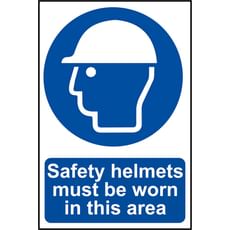
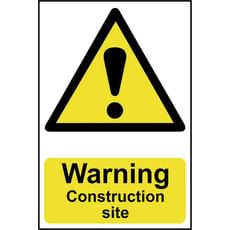
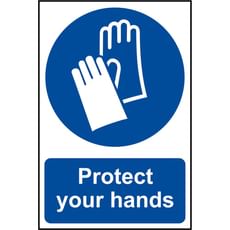
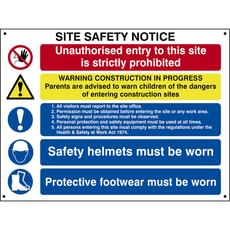
Within the extensive Scan Safety & Warning Signs catalogue at Tooled-Up, certain sign types prove consistently popular across multiple industries. Mandatory PPE signs requiring the wearing of safety helmets, high-visibility clothing, safety footwear, hearing protection, and eye protection represent essential purchases for construction sites and industrial facilities. These signs clearly communicate legal requirements to workers and contractors, helping employers demonstrate due diligence in their safety management systems.
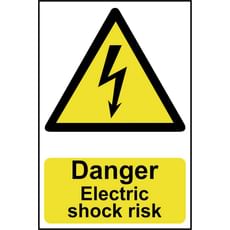
Electrical hazard warning signs form another bestselling category, with tradespeople and facilities managers regularly purchasing signs warning of high voltage, identifying electrical control panels, and marking areas where electrical work is in progress. Given the UK's 240V mains supply and the serious consequences of electrical accidents, clear electrical safety signage remains a fundamental requirement across virtually all workplace environments. Scan's electrical signs incorporate the universally recognised lightning bolt symbol alongside appropriate warning text.
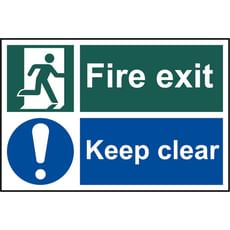
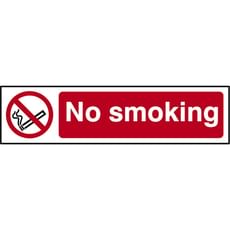
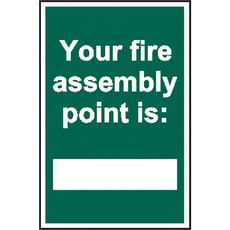
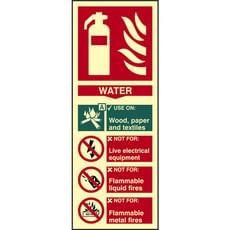
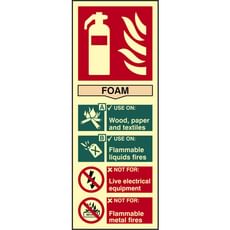
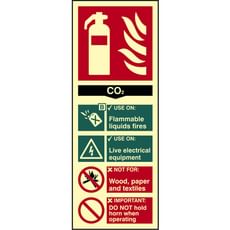
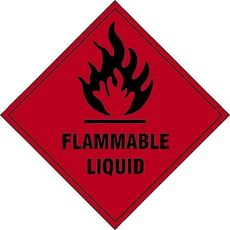
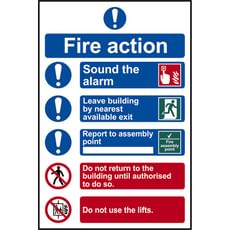
Fire safety signage represents a major segment of the range, with fire exit signs, fire door keep shut notices, fire extinguisher identification signs, and fire assembly point markers in constant demand. The photoluminescent versions of these signs are particularly popular for ensuring compliance with fire safety regulations. Prohibition signs—including no smoking, no unauthorised access, and no mobile phones signs—also see strong sales as organisations control behaviours that could compromise safety or security. COSHH-related signage for chemical storage and handling areas remains essential for any workplace storing hazardous substances, helping businesses comply with Control of Substances Hazardous to Health regulations.
Safety and Compliance
Scan Safety & Warning Signs are manufactured to comply with the Health and Safety (Safety Signs and Signals) Regulations 1996, which implement European Directive 92/58/EEC into UK law. This legislation requires employers to provide safety signs where risks cannot be avoided or adequately controlled through other means. Scan ensures their signs meet these legal requirements by adhering to BS EN ISO 7010, the international standard that specifies safety colours and safety signs for accident prevention, fire protection, and health hazard information.
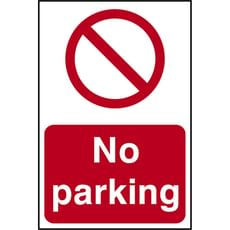
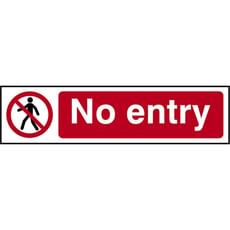
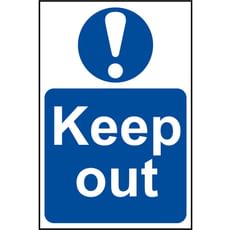
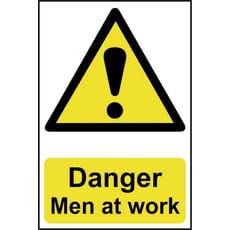
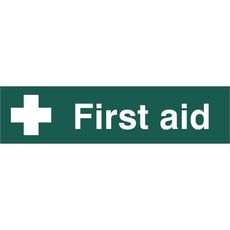
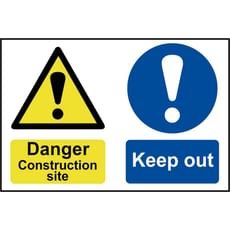
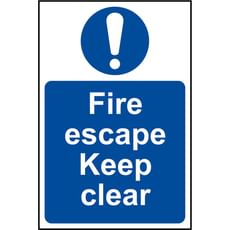
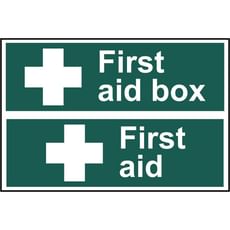
The colour coding system used across the Scan range follows strict conventions: red circular signs indicate prohibition (things you must not do), blue circular signs indicate mandatory actions (things you must do), yellow triangular signs warn of hazards, and green rectangular signs provide safe condition information including emergency exits and first aid facilities. These standardised formats ensure instant recognition and comprehension, which can prove critical during emergencies when rapid decision-making is essential.
For fire safety applications, relevant Scan signs comply with BS 5499-4, which covers design, location, and maintenance of fire safety signs including escape route signage. Photoluminescent signs meet the performance requirements for luminance and afterglow duration specified in these standards. When implementing Scan signage as part of a broader safety management system, it's important to ensure signs are positioned where they'll be clearly visible to those who need to see them, kept clean and legible, and replaced if damaged or faded. Regular inspections should confirm that signage remains appropriate for the hazards present and that any changes to workplace layout or processes are reflected in updated safety signs.
Frequently Asked Questions
Are Scan Safety & Warning Signs suitable for outdoor use?
Many Scan signs are specifically designed for outdoor applications, manufactured from weather-resistant materials with UV-stable inks that won't fade in sunlight. The rigid plastic and aluminium signs in the range offer excellent durability in exposed locations, resisting moisture, temperature fluctuations, and general weathering. Self-adhesive vinyl signs are typically better suited to indoor use on smooth surfaces, though some are rated for sheltered outdoor locations. Always check the specific product specifications to ensure the sign you select matches your environmental conditions.
Do Scan signs comply with UK health and safety regulations?
Yes, Scan Safety & Warning Signs are manufactured to comply with the Health and Safety (Safety Signs and Signals) Regulations 1996 and incorporate the standardised symbols and colour coding specified in BS EN ISO 7010. Fire safety signs meet BS 5499 requirements, and photoluminescent signs comply with relevant afterglow performance standards. This comprehensive compliance means you can specify Scan signs with confidence that they'll meet the requirements identified in your risk assessments and satisfy inspections by HSE officers or fire safety inspectors.
What's the difference between self-adhesive and rigid Scan signs?
Self-adhesive Scan signs feature a vinyl construction with high-tack backing, designed to bond directly to smooth, clean surfaces such as painted walls, doors, windows, or equipment panels. They offer a neat, low-profile appearance and quick installation without drilling. Rigid signs are manufactured from semi-rigid plastic (polypropylene or PVC) or aluminium, typically 1-3mm thick, with pre-drilled holes for screw mounting or provision for cable ties. These offer superior durability and impact resistance, making them ideal for high-traffic areas, outdoor locations, or rough industrial environments where adhesive signs might be knocked or peeled off.
How long do Scan Safety & Warning Signs typically last?
The lifespan of Scan signs depends on their construction and the environment they're installed in. Indoor self-adhesive vinyl signs typically remain in excellent condition for 3-5 years or longer when applied to suitable surfaces away from direct sunlight. Rigid plastic signs in indoor or sheltered locations can last 5-10 years, whilst aluminium signs in outdoor applications may remain serviceable for a decade or more. Factors affecting longevity include UV exposure, chemical exposure, physical impact, and cleaning regimens. Regular inspections should identify signs that have become faded, damaged, or illegible, at which point they should be replaced to maintain effective safety communication.
Can I use Scan photoluminescent signs for fire exit marking?
Absolutely. Scan's photoluminescent safety signs are specifically designed for emergency exit and fire safety applications, meeting the performance standards required by BS 5499 and the Regulatory Reform (Fire Safety) Order 2005. These signs absorb ambient light during normal conditions and glow in darkness for several hours, ensuring emergency routes remain visible during power failures or when smoke obscures normal lighting. They're particularly valuable in buildings without emergency lighting systems or as supplementary wayfinding aids in complex layouts. The photoluminescent material requires periodic exposure to light to maintain its charging capability, so they're most effective in areas that receive regular illumination rather than constantly dark spaces.