

Siegen Fluid Extractors
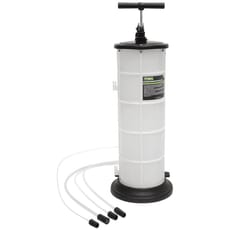
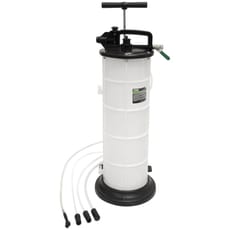
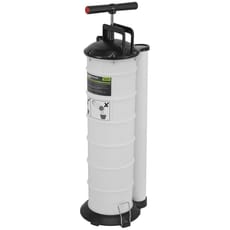
 Loading...
End of content
Error - No more pages to load
Siegen Fluid Extractors at Tooled-Up.com
Siegen has established itself as a trusted name in automotive and workshop equipment, and their fluid extractors exemplify the brand's commitment to delivering professional-grade tools at accessible prices. Designed for efficient removal of engine oil, transmission fluid, brake fluid, and other automotive liquids, Siegen fluid extractors combine practical engineering with user-friendly operation to meet the demands of busy workshops and enthusiastic DIYers alike.
The Siegen fluid extractor range available from Tooled-Up.com features both manual vacuum pumps and air-operated models, offering solutions for various applications and working environments. These extractors are built to handle the most common fluid removal tasks in automotive maintenance, from routine oil changes to more specialised fluid transfers. With capacities ranging from compact portable units to larger workshop models, Siegen provides options suitable for mobile mechanics, home garages, and established commercial workshops.
What distinguishes Siegen fluid extractors is their focus on delivering reliable performance without unnecessary complexity. The brand understands that fluid extraction equipment needs to work consistently across different viscosities and temperatures, which is why their designs incorporate robust pump mechanisms, durable collection chambers, and practical features that make the job quicker and cleaner. Whether you're servicing a single vehicle or running a busy garage, Siegen fluid extractors offer dependable performance that keeps downtime to a minimum.
Why Choose Siegen Fluid Extractors?
Siegen has built a reputation for producing workshop equipment that balances quality with value, making professional-grade tools accessible to a wider audience. Their fluid extractors reflect this philosophy, offering features typically found on premium brands whilst remaining competitively priced. This makes them particularly attractive to independent mechanics, small garages, and DIY enthusiasts who need reliable equipment without the premium price tag associated with top-tier brands.
The brand's commitment to practical design is evident throughout their fluid extractor range. Siegen prioritises features that matter in real-world use: large-capacity chambers that reduce the need for frequent emptying, clear level indicators for monitoring extraction progress, and robust construction that withstands the rigours of daily workshop use. Many models incorporate multi-probe sets with various diameters and lengths, allowing users to access different vehicles' sump plugs and fluid reservoirs without additional purchases.
Quality control and testing ensure that Siegen fluid extractors deliver consistent vacuum pressure and maintain seal integrity over extended use. This reliability means fewer interrupted jobs and greater confidence when tackling fluid servicing tasks. For workshops operating on tight margins or home mechanics building their tool collection, Siegen represents a sensible investment that doesn't compromise on essential performance characteristics.
Who Uses Siegen Fluid Extractors?
- Independent Mechanics: Mobile and fixed-location technicians who need reliable, portable fluid extraction equipment
- Small Garage Workshops: Businesses requiring cost-effective yet dependable tools for routine servicing operations
- Vehicle Servicing Centres: Facilities handling regular oil changes and fluid maintenance across various vehicle types
- Marine Engineers: Professionals servicing boat engines where traditional drain methods are impractical
- Agricultural Engineers: Technicians maintaining farm machinery and equipment in field conditions
- Plant Maintenance Teams: Industrial facilities requiring fluid extraction from stationary engines and hydraulic systems
- DIY Enthusiasts: Home mechanics performing their own vehicle maintenance and servicing
- Classic Car Restorers: Hobbyists working on vehicles where preserving originality requires non-invasive fluid removal
Key Features of Siegen Fluid Extractors
Siegen fluid extractors incorporate several design elements that enhance their practicality and performance. Manual pump models typically feature ergonomic handles with comfortable grips that reduce hand fatigue during the pumping process, whilst air-operated versions connect to standard workshop compressors for effortless operation. The transparent or semi-transparent collection chambers allow users to monitor extraction progress and fluid condition, providing valuable diagnostic information during servicing.
Durability is engineered into the construction, with chambers manufactured from chemical-resistant materials that withstand exposure to various automotive fluids without degradation. Heavy-duty wheels on larger models ensure easy manoeuvrability around workshop floors, whilst compact designs maintain stability during extraction. Many Siegen extractors include integrated storage for probe sets, keeping accessories organised and readily accessible when needed.
The vacuum pumps themselves are designed for efficiency, generating sufficient suction pressure to extract fluids through narrow dipstick tubes and fill points. This capability makes them invaluable for vehicles where traditional drain plug access is restricted or where working underneath the vehicle is impractical. Discharge systems typically incorporate convenient drainage features, including taps or hoses that simplify emptying into waste oil containers whilst minimising spillage.
Popular Siegen Fluid Extractors
The Siegen range at Tooled-Up encompasses several fluid extractor configurations to suit different requirements. Manual vacuum extractors remain popular choices for mobile mechanics and home users, offering portability without dependence on compressed air supplies. These units typically feature capacities between 6 and 10 litres, sufficient for most passenger vehicle oil changes whilst remaining manageable to transport and manoeuvre.
Air-operated models appeal to established workshops with existing compressor infrastructure, providing faster extraction cycles and reduced physical effort during high-volume servicing days. These pneumatic extractors often feature larger capacities, accommodating commercial vehicles and multiple service intervals before requiring emptying. The combination of speed and capacity makes them particularly valuable for busy garage environments where efficiency directly impacts profitability.
Siegen also offers compact extractors designed specifically for smaller fluid volumes, ideal for brake fluid bleeding, power steering servicing, and gearbox oil changes. These specialised units provide precise control and reduced chamber sizes that make them more practical for targeted applications beyond general engine oil extraction.
Safety and Compliance
When using Siegen fluid extractors, operators should observe proper handling procedures for the fluids being extracted, particularly engine oils, brake fluids, and other potentially hazardous automotive liquids. COSHH regulations apply to the storage, handling, and disposal of extracted fluids, and workshops must maintain appropriate waste oil collection and disposal arrangements compliant with UK environmental legislation.
Siegen fluid extractors should be operated in well-ventilated areas to prevent accumulation of potentially harmful vapours. When working with hot fluids, allow engines to cool sufficiently to prevent burns whilst ensuring the fluid remains warm enough for efficient extraction. Always ensure extraction probes are securely fitted to prevent disconnection under vacuum pressure, and never exceed the rated capacity of the collection chamber to avoid overflow and spillage.
Regular maintenance of the extractor itself ensures continued safe operation. Check vacuum seals periodically for deterioration, inspect hoses for cracks or damage, and ensure discharge mechanisms function correctly to prevent uncontrolled fluid release. Always empty and clean the collection chamber after use to prevent fluid degradation and maintain hygiene standards within the workshop environment.
Frequently Asked Questions
Can Siegen fluid extractors handle hot engine oil?
Yes, Siegen extractors are designed to handle warm engine oil, which actually extracts more efficiently than cold oil due to reduced viscosity. However, allow the engine to cool for approximately 10-15 minutes after running to avoid excessively hot temperatures that could damage seals or create safety hazards. The oil should be warm to the touch but not hot enough to cause burns.
What size probe do I need for my vehicle?
Most Siegen fluid extractors include multiple probe sizes to accommodate different dipstick tube diameters. Common passenger vehicles typically require 6-8mm probes, whilst commercial vehicles may need larger diameters. Measure your dipstick tube internal diameter or consult your vehicle's service manual. The probe should fit snugly without forcing to create an effective seal for vacuum extraction.
How do air-operated Siegen extractors compare to manual models?
Air-operated models require a workshop compressor (typically operating at 6-8 bar) but provide faster extraction with no manual pumping required. They're ideal for high-volume workshop use. Manual extractors offer portability and independence from compressed air supplies, making them perfect for mobile mechanics or home users. Both types deliver effective fluid extraction; the choice depends on your working environment and usage frequency.
Can I use a Siegen fluid extractor for brake fluid bleeding?
Whilst some Siegen extractors can assist with brake fluid extraction from the master cylinder reservoir, they're not designed as dedicated brake bleeding tools. For comprehensive brake servicing, purpose-built brake bleeding equipment provides better control and air purging capability. However, extractors work well for removing old fluid from reservoirs before refilling with fresh brake fluid.
How should I dispose of extracted fluids?
Extracted automotive fluids must be disposed of responsibly according to UK environmental regulations. Take used oil, brake fluid, and other extracted liquids to approved waste oil collection facilities, typically available at local recycling centres or through commercial waste oil collection services. Never pour extracted fluids down drains or dispose of them with general waste. Many motor factor suppliers also operate waste oil collection schemes for trade customers.