

Siegen Hammers
 Loading...
End of content
Error - No more pages to load
Siegen Hammers at Tooled-Up.com
Siegen has established itself as a trusted name in hand tools, delivering professional-grade hammers that combine traditional craftsmanship with modern manufacturing standards. The Siegen hammer range available from Tooled-Up.com caters to both trade professionals and serious DIY enthusiasts who demand reliability and precision from their striking tools. Whether you're a carpenter fitting joinery, a general builder on site, or a mechanic working in an automotive environment, Siegen offers hammers engineered to withstand the rigours of daily professional use.
From claw hammers and ball pein hammers to club hammers and rubber mallets, the Siegen collection encompasses the essential striking tools required across multiple trades and applications. Each hammer in the range is manufactured with attention to head metallurgy, handle ergonomics, and overall balance – factors that separate professional-grade tools from inferior alternatives. Tooled-Up stocks Siegen hammers designed for precision work as well as heavy-duty demolition tasks, ensuring tradespeople can find the right tool for every striking application.
Siegen's commitment to value engineering means their hammers deliver professional performance without the premium price tag associated with some heritage brands. This positioning makes them particularly popular among tradespeople building their tool collections, apprentices investing in quality equipment, and contractors who need to equip multiple team members with reliable striking tools.
Why Choose Siegen Hammers?
Siegen hammers are built around a philosophy of practical performance – delivering the features and durability that professionals actually need on site. The brand focuses on proven hammer designs rather than unnecessary innovation, ensuring every tool in their range serves a genuine purpose in the tradesperson's toolkit. Heat-treated striking faces provide longevity even under repeated heavy impacts, whilst carefully balanced head weights reduce user fatigue during extended use.
Handle design receives particular attention across the Siegen hammer range, with options including traditional hickory wood, fibreglass-reinforced shafts, and steel handles with cushioned grips. This variety allows users to select the handle material that best suits their application and personal preference. Fibreglass handles, for instance, offer excellent shock absorption and weather resistance for outdoor site work, whilst traditional wooden handles provide the tactile feedback preferred by many experienced joiners and carpenters.
The brand's reputation for consistent quality control means tradespeople can rely on Siegen hammers to perform predictably across batches and over time. This consistency is particularly valued by contractors who standardise their tool specifications across teams, ensuring every operative works with equipment of known performance characteristics.
Who Uses Siegen Hammers?
Siegen hammers serve a diverse range of trades and applications:
- Carpenters and Joiners: Using claw hammers for first and second fixing, nail extraction, and general carpentry work
- General Builders: Relying on club hammers and claw hammers for formwork, masonry, and structural applications
- Mechanics and Fitters: Employing ball pein hammers for metalworking, panel beating, and automotive repair
- Maintenance Engineers: Using rubber and copper mallets for assembly work where surface protection is essential
- Shopfitters and Cabinet Makers: Requiring precision striking tools for delicate joinery and fitting work
- DIY Enthusiasts: Seeking professional-quality hammers for home improvement and workshop projects
- Property Maintenance Teams: Needing versatile striking tools for varied repair and renovation tasks
Key Features of Siegen Hammers
Siegen hammers incorporate several features that enhance their performance and durability. Drop-forged steel heads provide superior strength compared to cast alternatives, with controlled heat treatment ensuring the striking face maintains hardness whilst the body retains sufficient toughness to resist fracturing under impact. This metallurgical balance is critical for professional longevity.
Handle-to-head connections utilise secure fixing methods appropriate to each hammer type – whether traditional wedging for wooden handles, chemical bonding for fibreglass shafts, or welded construction for all-steel designs. These connections are engineered to withstand the lateral forces and vibration that can loosen inferior hammers over time.
Ergonomic grip profiles reduce hand fatigue and improve control, particularly important during repetitive striking tasks or precision work. Many Siegen hammers feature textured grip zones that maintain purchase even when hands are wet or wearing gloves – a practical consideration for site conditions.
Weight distribution is carefully calibrated across the Siegen range, with head mass and handle length proportioned to deliver efficient energy transfer whilst maintaining user control. This balance allows tradespeople to work accurately without excessive exertion.
Popular Siegen Hammers
The Siegen hammer collection at Tooled-Up.com encompasses the core striking tools required across trades. Claw hammers remain the most versatile choice, offering nail-driving capability combined with extraction functionality – essential for carpentry, joinery, and general building work. Available in various head weights, they suit applications from delicate trim work to structural framing.
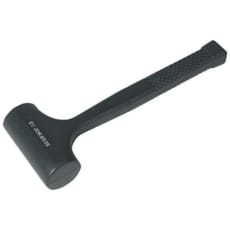
Ball pein hammers serve metalworking trades, with their characteristic domed striking face ideal for riveting, shaping metal, and closing joints. Club hammers provide the heavy striking force needed for masonry work, driving chisels, and demolition tasks. Rubber mallets and soft-face hammers allow assembly work and surface-sensitive applications where metal striking faces would cause damage.
Specialised designs including cross pein hammers and tack hammers address specific trade requirements, ensuring professionals can select precisely the right tool for their particular applications rather than compromising with general-purpose alternatives.
Safety and Compliance
Proper hammer selection and use are essential for workplace safety and compliance with HSE guidelines. Users should inspect hammers before each use, checking for loose heads, split handles, or mushroomed striking faces that could cause injury. Damaged hammers should be withdrawn from service immediately and replaced.
Appropriate personal protective equipment includes safety glasses or goggles to protect against flying debris, and gloves where grip and dexterity permit. When striking hardened surfaces or using cold chisels, face protection becomes particularly important due to the risk of metal fragments.
Siegen hammers should be used only for their intended purpose – using inappropriate tools or striking techniques increases accident risk and accelerates tool wear. The correct hammer weight and type should be selected for each task, as using undersized tools encourages excessive force whilst oversized tools reduce control.
Regular maintenance extends hammer life and maintains safety. Wooden handles benefit from periodic treatment with linseed oil to prevent drying and splitting, whilst metal components should be kept clean and free from oil or grease that could cause slippage during use.
Frequently Asked Questions
What's the difference between fibreglass and wooden hammer handles?
Fibreglass handles offer superior shock absorption, weather resistance, and consistent performance in varying conditions, making them ideal for site work and outdoor applications. Wooden handles, particularly hickory, provide excellent tactile feedback and a traditional feel preferred by many experienced tradespeople for precision work. Both materials are durable when properly maintained, with the choice often coming down to personal preference and specific application requirements.
How do I choose the right hammer weight for my work?
Hammer weight should match the task intensity and your physical capability. For general carpentry and DIY work, a 450-560g (16-20oz) claw hammer provides versatility. Lighter hammers around 340g (12oz) suit delicate work and reduce fatigue during extended use, whilst heavier options up to 680g (24oz) deliver greater driving force for framing and structural work. Consider that control is as important as striking force – a lighter hammer used accurately often outperforms a heavy hammer swung with poor technique.
Are Siegen hammers suitable for professional trade use?
Yes, Siegen hammers are engineered for professional applications, featuring drop-forged steel heads, secure handle connections, and ergonomic designs that withstand the demands of daily trade use. Whilst positioned as value-engineered tools rather than premium heritage brands, they deliver the durability and performance required by working tradespeople. Many contractors choose Siegen when equipping teams or building comprehensive tool collections where professional quality must be balanced with budget considerations.
How should I maintain my Siegen hammers?
Regular inspection is essential – check for loose heads, damaged handles, and mushroomed striking faces before each use. Wooden handles benefit from occasional treatment with linseed oil to prevent moisture absorption and splitting. Keep striking faces clean and free from oil, grease, or debris. Store hammers in dry conditions away from excessive heat or moisture. If a hammer head becomes loose, it should be repaired or replaced immediately rather than continued in use, as loose heads present serious safety hazards.
Can I replace handles on Siegen hammers?
Traditional wooden-handled hammers can typically be re-handled using replacement hickory or ash handles available from tool suppliers. This extends tool life and maintains the hammer head investment. Fibreglass and steel-handled models are generally not designed for handle replacement due to their bonded or welded construction – when these handles fail, the entire hammer usually requires replacement. The decision between repairable and non-repairable handle designs often depends on whether you value long-term serviceability or the performance benefits of modern handle materials.