

Sirius Coach Screws
 Loading...
End of content
Error - No more pages to load
Sirius Coach Screws at Tooled-Up.com
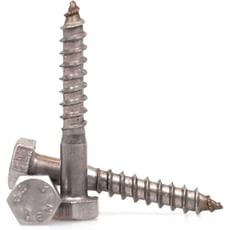
Sirius coach screws represent a professional-grade fastening solution designed for demanding structural applications across construction, joinery, and heavy-duty assembly work. These hexagonal-headed lag bolts are engineered to deliver exceptional holding power when securing timber to timber, or timber to masonry and metalwork. Tooled-Up.com stocks the Sirius coach screw range to provide tradespeople and serious DIY enthusiasts with reliable fixings that meet the rigorous demands of both commercial projects and domestic installations.
Manufactured to exacting standards, Sirius coach screws feature a coarse thread pattern that maximises grip in timber and other substrates, whilst the hexagonal head design allows for high-torque application using standard spanners or socket sets. The Sirius brand has established itself within the fastener market by focusing on consistent quality control and material integrity, ensuring each coach screw delivers predictable performance across varied applications from structural timber framing to heavy machinery mounting.
Available from Tooled-Up in various sizes and finishes, the Sirius coach screw selection caters to different environmental conditions and load-bearing requirements. Whether you're working on exterior decking projects requiring corrosion-resistant fixings, or internal structural work where sheer strength is paramount, the Sirius range provides specification-compliant solutions that professional installers can trust.
Why Choose Sirius Coach Screws?
Sirius has built its reputation on delivering dependable fastening products that balance affordability with genuine performance characteristics. Their coach screws are manufactured from quality steel with appropriate hardening processes that prevent shearing under load whilst maintaining sufficient ductility to avoid brittle failure. This engineering approach ensures Sirius coach screws can withstand the dynamic stresses encountered in real-world applications, from seasonal timber movement to vibration in mechanical assemblies.
The brand's commitment to dimensional accuracy means Sirius coach screws provide consistent thread engagement and head dimensions across production batches. This reliability is essential for professional users who require predictable installation torques and load capacities when working to structural calculations or building regulations. Sirius products undergo quality testing to verify mechanical properties, giving specifiers confidence when selecting these fixings for projects where fastener failure could have serious consequences.
Value represents another compelling reason to choose Sirius coach screws. By focusing on core performance attributes rather than premium branding, Sirius delivers professional-quality fixings at competitive price points. This makes the range particularly attractive for contractors managing project budgets without compromising on the structural integrity of their installations. The Tooled-Up Sirius selection provides access to this practical, performance-focused approach to fastening solutions.
Who Uses Sirius Coach Screws?
Sirius coach screws serve a diverse range of trades and applications:
- Carpenters and joiners securing structural timbers, installing heavy timber frames, and building bespoke joinery projects
- Builders and general contractors fixing joists, rafters, and load-bearing timbers in construction and renovation work
- Fencing contractors installing posts, rails, and structural fence components requiring robust fixings
- Decking specialists securing deck frames, balustrades, and structural supports in exterior timber construction
- Groundwork and landscaping professionals building retaining structures, pergolas, and heavy timber garden features
- Shopfitters and commercial installers mounting shelving systems, display units, and fixed equipment to structural substrates
- Maintenance engineers securing machinery, equipment housings, and industrial fixtures
- Property maintenance teams conducting structural repairs and heavy-duty fixing work across residential and commercial properties
Key Features of Sirius Coach Screws
Sirius coach screws incorporate several design features that enhance their functionality and reliability. The hexagonal head configuration provides six driving surfaces, distributing torque application evenly and reducing the risk of fastener head damage during installation. This design also allows for straightforward removal if maintenance or modification becomes necessary, unlike some alternative fixing methods that can be destructive to remove.
The coarse thread profile found on Sirius coach screws is optimised for timber applications, with aggressive thread flanks that cut cleanly into wood fibres and create substantial mechanical interlock. This thread geometry provides superior pullout resistance compared to finer thread patterns, making these fixings ideal for structural applications where tensile loads are significant. The thread extends along most of the shank length, maximising engagement with the substrate material.
Sirius offers coach screws in various surface finishes to suit different environmental exposures. Zinc-plated options provide basic corrosion protection for internal applications and dry environments, whilst galvanised and other protective coatings are available for exterior use and moisture-prone locations. The shank diameter and length options within the Sirius range accommodate different timber sections and joint configurations, allowing installers to select appropriately sized fixings for their specific requirements.
Popular Sirius Coach Screws
The Sirius coach screw range encompasses the most commonly specified sizes for professional applications. M8 and M10 diameter coach screws represent the core of the selection, offering excellent versatility across general structural fixing applications. These medium-diameter options provide substantial holding power whilst remaining suitable for typical timber dimensions used in construction and joinery work.
Longer length variants within the Sirius range cater to applications requiring deep penetration into masonry substrates when used with appropriate pilot holes and plugs, or for securing multiple timber members where bolt length must pass through several components. Shorter coach screws suit lighter-duty applications and situations where fixing depth is limited by substrate thickness or clearance considerations behind the fixing point.
Surface finish options within the Sirius coach screw selection allow users to match fixings to the environmental conditions of their project. Bright zinc plating remains popular for internal structural work, whilst exterior applications typically demand hot-dipped galvanised or similarly robust corrosion protection systems that can withstand prolonged moisture exposure and weathering.
Safety and Compliance
When using Sirius coach screws, proper installation technique is essential for achieving design load capacities and ensuring structural safety. Pilot holes should be drilled to appropriate diameters based on timber density and screw size, preventing splitting whilst maintaining adequate thread engagement. The HSE recommends that structural fixings be installed according to manufacturer specifications and relevant building regulations, with particular attention to edge distances and spacing to prevent timber failure.
Personal protective equipment including safety glasses should be worn when driving coach screws, particularly when using power tools for installation. Gloves protect hands from sharp thread edges during handling, whilst appropriate hearing protection may be necessary when installing large quantities of fixings with impact tools. Always inspect coach screws before installation to identify any manufacturing defects or damage that could compromise performance.
For structural applications, installers should verify that Sirius coach screws meet the load-bearing requirements specified in design calculations or building control documentation. When working to British and European standards, ensure selected fixings provide appropriate mechanical properties for the intended service class and load duration category. Documentation should be maintained for compliance purposes, particularly on commercial projects subject to building control approval.
Frequently Asked Questions
Do Sirius coach screws require pre-drilling?
Yes, pilot holes should always be drilled before installing Sirius coach screws to prevent timber splitting and ensure proper thread engagement. The pilot hole diameter should be approximately 70-80% of the screw's core diameter for softwoods, and slightly larger for hardwoods. This preparation ensures maximum holding power and prevents damage to both the fixing and the workpiece.
What's the difference between zinc-plated and galvanised Sirius coach screws?
Zinc plating provides basic corrosion protection suitable for internal applications and dry environments, offering a cost-effective solution for protected locations. Galvanised finishes, particularly hot-dipped galvanising, provide significantly enhanced corrosion resistance for exterior use and moisture-prone environments. Select the finish based on the environmental exposure your installation will experience throughout its service life.
Can Sirius coach screws be used in treated timber?
Yes, but the fixing specification should consider the corrosive nature of certain timber treatments. Modern pressure-treated timber containing copper-based preservatives can accelerate corrosion of standard steel fixings. For treated timber applications, particularly in exterior or ground-contact situations, specify Sirius coach screws with appropriate corrosion-resistant finishes such as galvanising to ensure long-term durability.
What size spanner do I need for Sirius coach screws?
The spanner or socket size required corresponds to the diameter of the coach screw. M8 coach screws typically use a 13mm spanner, M10 screws require 17mm, and M12 screws need 19mm. Always use the correct size tool to prevent rounding of the hexagonal head, which would make installation or removal extremely difficult. A socket and ratchet or impact driver provides better torque application than open-ended spanners.
How deep should Sirius coach screws penetrate into the substrate?
For timber-to-timber joints, the threaded portion should penetrate at least 50mm into the receiving timber for adequate holding power, though deeper penetration increases pullout resistance. When fixing into masonry, follow the plug manufacturer's embedment depth recommendations, typically 50-70mm depending on substrate density and load requirements. Always ensure sufficient thread engagement to achieve the design load capacity required for your application.