

Sirius Podger Spanners
 Loading...
End of content
Error - No more pages to load
Sirius Podger Spanners at Tooled-Up.com
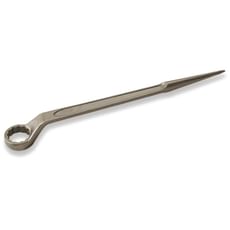
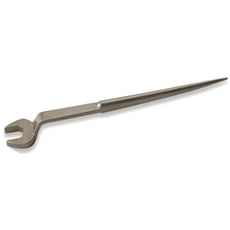
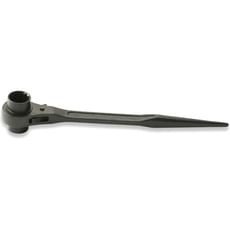
Sirius has established itself as a respected manufacturer of high-quality podger spanners, designed specifically for steel erection and structural engineering applications. These specialised tools combine the functionality of an open-ended spanner with a tapered spike, allowing tradespeople to align bolt holes in structural steelwork whilst simultaneously tightening fixings. Tooled-Up.com stocks the Sirius range of podger spanners, offering robust construction and practical design features that make them indispensable on construction sites across the UK.
Manufactured to exacting standards, Sirius podger spanners are forged from premium grade alloy steel and heat-treated for exceptional strength and durability. The tapered podger end is precisely machined to assist with aligning bolt holes in steel framework, whilst the spanner end provides secure fastening capabilities. Each tool undergoes rigorous quality control to ensure it meets the demanding requirements of structural steel fitting and heavy construction work.
The Sirius approach to podger spanner design prioritises both functionality and longevity, with features such as drop-forged construction, hardened striking caps, and ergonomic handles that reduce hand fatigue during extended use. These tools are built to withstand the harsh conditions typical of steel erection work, including exposure to the elements and the physical demands of heavy-duty site applications.
Why Choose Sirius Podger Spanners?
Sirius podger spanners are recognised throughout the construction industry for their exceptional build quality and reliable performance. The brand has built its reputation on producing tools that can withstand the punishing conditions of structural steelwork, where alignment precision and fastening strength are absolutely critical. Unlike cheaper alternatives that may bend, break or wear prematurely, Sirius tools maintain their accuracy and structural integrity even after years of demanding site use.
The materials selection and manufacturing processes employed by Sirius result in podger spanners with superior hardness ratings and impact resistance. The forged alloy steel construction provides the perfect balance between toughness and flexibility, preventing brittle failure whilst maintaining the rigidity needed for precise bolt hole alignment. Heat treatment processes enhance the molecular structure of the steel, creating tools that resist wear, deformation and corrosion far better than standard carbon steel alternatives.
Professional steel erectors and structural engineers consistently choose Sirius because the brand understands the specific challenges of their trade. The dimensions, weight distribution and grip characteristics are optimised for overhead work, confined spaces and the repetitive actions common in steel framework assembly. This attention to real-world application requirements translates into tools that simply work better and last longer on site.
Who Uses Sirius Podger Spanners?
Sirius podger spanners are essential tools for a diverse range of construction and engineering professionals, including:
- Structural Steel Erectors: Primary users who rely on podger spanners daily for aligning and securing steel framework in buildings, bridges and industrial structures
- Construction Site Supervisors: Requiring reliable tools for quality control checks and emergency repairs during steel erection phases
- Scaffolders: Using podger spanners for assembling and adjusting heavy-duty scaffold structures with precision
- Maintenance Engineers: Working in industrial facilities where structural steel modifications and repairs are routine
- Civil Engineering Contractors: Involved in infrastructure projects requiring robust steel fixing capabilities
- Fabrication Workshop Technicians: Pre-assembling and testing steel components before site installation
- Demolition Contractors: Disassembling structural steelwork safely and efficiently
Key Features of Sirius Podger Spanners
Sirius podger spanners incorporate several distinctive features that enhance their performance and usability in demanding environments. The drop-forged construction creates a single-piece tool with no weak points or potential failure areas, ensuring maximum reliability when applying significant torque or impact force. The grain structure of the forged steel follows the contours of the tool, providing directional strength exactly where it's needed most.
The tapered podger end is precision-ground to specific angles that facilitate smooth insertion into misaligned bolt holes, with sufficient length to provide leverage when drawing steel plates or beams into position. The striking cap is specially hardened to withstand repeated hammer blows without mushrooming or splitting, a common failure mode in inferior tools. The spanner jaw openings are manufactured to tight tolerances, ensuring proper engagement with nuts and bolt heads to minimise rounding and slippage.
Surface finishing on Sirius podger spanners typically includes corrosion-resistant treatments that protect against the rust and oxidation common on construction sites. The handles often feature knurling or texturing to maintain grip security even when wearing heavy work gloves or in wet conditions. Weight distribution is carefully calculated to provide natural balance, reducing wrist strain during overhead work and improving control during precise alignment operations.
Popular Sirius Podger Spanners
The Sirius podger spanner range available from Tooled-Up encompasses various sizes to accommodate different structural steel applications. Common configurations include podger spanners with jaw openings ranging from 17mm through to 30mm, matching standard structural bolt sizes used throughout the UK construction industry. Combination sizes such as 19mm/21mm and 24mm/27mm double-ended podger spanners provide versatility whilst minimising the number of tools required on site.
Extended length podger spanners are particularly popular among steel erectors working with deep section beams or in situations where additional reach is necessary. These typically range from 300mm to 600mm overall length, with the podger spike proportionally lengthened to maintain proper leverage characteristics. Heavy-duty versions with reinforced construction are specified for high-torque applications and situations where the tool may be subjected to extreme force or impact loading.
Safety and Compliance
When using Sirius podger spanners, adherence to Health and Safety Executive (HSE) guidelines for hand tools and working at height is essential. Always inspect the tool before use for signs of damage, wear or deformation that could compromise safety or performance. Particular attention should be paid to the striking cap for signs of mushrooming and the spanner jaws for wear or spreading that might allow slippage.
Proper personal protective equipment including safety gloves, hard hats and safety boots should be worn when operating podger spanners, especially during steel erection activities. When using the podger end to align holes, ensure fingers and hands are kept clear of pinch points between steel components. The tool should never be extended with pipes or additional leverage devices, as this can exceed the design load limits and cause catastrophic failure.
Sirius podger spanners should be stored in dry conditions to prevent corrosion and kept separate from other tools to avoid damage to cutting edges or striking surfaces. Regular cleaning and light oiling will maintain optimal performance and extend service life, particularly when tools are used in marine or chemically aggressive environments.
Frequently Asked Questions
What is the difference between a podger spanner and a standard spanner?
A podger spanner features a tapered spike (the podger) on one end and a spanner jaw on the other, specifically designed for structural steel work. The podger end aligns bolt holes in steel components whilst the spanner end tightens the fixings, combining two essential functions in a single tool. Standard spanners lack the alignment spike and cannot perform this critical steel erection function.
Are Sirius podger spanners suitable for use with impact tools?
Whilst Sirius podger spanners feature hardened striking caps designed to withstand hammer blows, they are not designed for use with powered impact tools. The striking cap is intended for manual hammer use only when driving the podger spike through bolt holes. Using pneumatic or electric impact tools may damage the tool and void any warranty.
How do I choose the correct size Sirius podger spanner?
Select your podger spanner size based on the structural bolt dimensions specified for your project. The most common sizes in UK structural steel work are 19mm, 21mm, 24mm and 27mm, corresponding to standard bolt head and nut sizes. Many steel erectors carry multiple sizes or opt for double-ended combination podger spanners to cover the range of fixings encountered on typical sites.
Can Sirius podger spanners be used for scaffold work?
Yes, Sirius podger spanners are suitable for scaffold applications where structural tube and fitting connections require alignment and tightening. However, ensure the spanner jaw size matches your specific scaffold fittings. Many scaffolders prefer dedicated scaffold spanners for routine work, reserving podger spanners for heavier structural components or situations requiring the alignment capabilities of the podger spike.
How should I maintain my Sirius podger spanner?
After each use, clean your Sirius podger spanner to remove dirt, concrete dust and metal filings. Inspect for damage including cracks, excessive wear or deformation. Apply a light coating of oil to prevent corrosion, particularly if storing for extended periods. Never grind, weld or heat-treat the tool as this will compromise the carefully controlled metallurgy and may lead to dangerous failure during use.