

Spear and Jackson Bow Saws & Blades
 Loading...
End of content
Error - No more pages to load
Spear and Jackson Bow Saws & Blades at Tooled-Up.com
Spear and Jackson has been a cornerstone of British toolmaking since 1760, and their bow saws and blades continue to set the standard for quality and reliability in cutting applications. With over 260 years of manufacturing expertise, Spear and Jackson bow saws are trusted by professional groundworkers, landscapers, and arborists across the UK for tackling everything from pruning branches to cutting logs and general timber work.
The Spear and Jackson bow saw range at Tooled-Up.com combines traditional craftsmanship with modern engineering to deliver exceptional cutting performance. Each bow saw features ergonomically designed tubular steel frames that provide the perfect balance of strength and weight, whilst their precision-ground blade teeth ensure clean, efficient cuts through green or seasoned wood. Whether you're maintaining woodland, clearing garden waste, or preparing firewood, these tools offer the durability and cutting efficiency that professionals demand.
Tooled-Up stocks a comprehensive selection of Spear and Jackson bow saw frames and replacement blades in various tooth configurations and lengths, ensuring you can find the right combination for your specific cutting requirements. The availability of spare blades makes these saws a cost-effective long-term investment, allowing you to maintain peak cutting performance without replacing the entire tool.
Why Choose Spear and Jackson Bow Saws & Blades?
Spear and Jackson's reputation for manufacturing excellence stems from their unwavering commitment to producing tools that withstand the rigours of professional use. Their bow saws feature hardened and tempered carbon steel blades that maintain sharpness significantly longer than inferior alternatives, reducing downtime and improving productivity on site.
The precision tooth geometry employed across the Spear and Jackson blade range ensures efficient material removal with minimal effort, reducing user fatigue during extended cutting sessions. Each blade undergoes rigorous quality control testing to guarantee consistent performance, whilst the distinctive green tubular frames have become synonymous with reliability on building sites and in gardens throughout Britain.
Perhaps most importantly, Spear and Jackson offers exceptional value for money. These aren't disposable tools – they're designed for years of service with proper maintenance. The readily available replacement blades mean that when teeth eventually dull, you can restore your saw to peak performance at a fraction of the cost of purchasing a new tool, making them an economically sound choice for tradespeople and serious DIY enthusiasts alike.
Who Uses Spear and Jackson Bow Saws & Blades?
- Professional Landscapers: For pruning, shaping, and maintaining trees and large shrubs on commercial and residential properties
- Arborists and Tree Surgeons: Essential for cutting branches and sectioning felled timber where chainsaws aren't practical
- Groundworkers and Site Workers: For clearing vegetation and cutting timber formwork on construction sites
- Estate Managers and Countryside Rangers: Maintaining woodland, clearing pathways, and general estate management tasks
- Gamekeepers and Foresters: Managing woodland, creating shooting lanes, and harvesting timber resources
- Garden Maintenance Contractors: For versatile cutting capabilities across various domestic and commercial garden projects
- DIY Enthusiasts: Homeowners tackling garden maintenance, preparing firewood, and general property upkeep
- Allotment Holders: Managing plot boundaries, cutting support stakes, and general horticultural maintenance
Key Features of Spear and Jackson Bow Saws & Blades
Hardened Carbon Steel Blades: Manufactured from premium carbon steel that's hardened and tempered to achieve the optimal balance between edge retention and flexibility, preventing blade snapping whilst maintaining sharpness through demanding cutting applications.
Precision-Ground Teeth: Each tooth is individually ground to exacting standards, creating sharp cutting edges with optimal clearance angles that efficiently remove material whilst preventing binding, even in green or resinous wood.
Robust Tubular Steel Frames: The distinctive green powder-coated tubular steel frames provide exceptional rigidity without unnecessary weight, ensuring blade tension remains consistent throughout the cutting stroke for accurate, straight cuts.
Ergonomic Handles: Comfortable moulded handles are designed for extended use, providing secure grip even in wet conditions whilst reducing hand fatigue during repetitive cutting operations.
Quick-Release Blade Mechanism: Simple tensioning systems allow for rapid blade changes and adjustments, minimising downtime when switching between different tooth configurations or replacing worn blades.
Multiple Blade Configurations: Available in various tooth patterns (typically Peg tooth and Raker tooth) and lengths from 530mm to 760mm, allowing users to select the ideal specification for their particular application, whether cutting green wood, seasoned timber, or general-purpose work.
Popular Spear and Jackson Bow Saws & Blades
Spear and Jackson Bow Saw Frames: The standard 760mm (30-inch) frame remains the most popular choice for general-purpose cutting, offering excellent reach whilst remaining manageable for all-day use. Shorter 610mm (24-inch) frames are favoured for more confined spaces and pruning work.
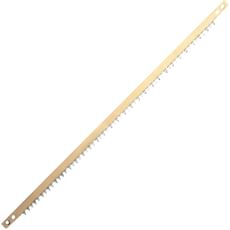
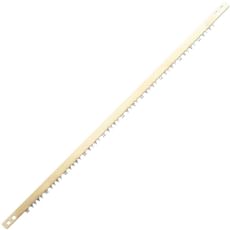
Peg Tooth Blades: These traditional pattern blades excel at cutting green wood and are the preferred choice for pruning live branches and processing freshly felled timber. The tooth geometry prevents clogging with sap and wet sawdust.
Raker Tooth Blades: Designed for seasoned hardwoods and general timber work, Raker tooth blades feature alternating tooth patterns that provide aggressive cutting action through dry, dense materials, making them ideal for preparing firewood and cutting structural timber.
Replacement Blade Multi-Packs: Cost-effective blade bundles are popular with professional users who want to maintain spare blades on their van or in their workshop, ensuring they're never caught short when a blade reaches the end of its service life.
Safety and Compliance
Whilst bow saws are relatively simple hand tools, observing proper safety practices is essential to prevent injury. Always ensure blades are correctly tensioned before use – loose blades can twist or buckle, causing loss of control, whilst over-tensioned blades may snap under load.
Spear and Jackson bow saws comply with relevant British and European safety standards for hand tools. When using bow saws, always wear appropriate personal protective equipment including safety glasses to protect against flying debris, gloves for grip and hand protection, and steel toe-capped boots when working with timber at ground level.
Maintain a stable stance with secure footing, and ensure the workpiece is properly secured before cutting. Keep hands and body parts clear of the cutting line, and be aware that bow saws cut on both the push and pull strokes. When working at height or in trees, ensure the saw is properly secured when not in use, and never work alone in remote locations.
Store blades with protective covers when not in use, and regularly inspect frames for damage or fatigue cracks. Replace blades when teeth become excessively worn or damaged, as attempting to force cuts with dull blades increases the risk of the saw slipping or binding.
Frequently Asked Questions
What's the difference between Peg tooth and Raker tooth Spear and Jackson bow saw blades?
Peg tooth blades feature uniform teeth designed for cutting green wood and live branches – they resist clogging with sap and wet material. Raker tooth blades have alternating tooth patterns with deeper gullets, making them more aggressive for cutting seasoned, dry timber. For general garden maintenance and pruning, Peg tooth is usually preferred, whilst Raker tooth excels for firewood preparation and construction timber.
How often should I replace my Spear and Jackson bow saw blade?
Blade lifespan depends on usage intensity and the materials being cut. Professional users cutting daily may need replacement every few months, whilst occasional users might get several years' service. Replace blades when you notice significantly reduced cutting speed, excessive effort required, or visible damage to teeth. Attempting to resharpen bow saw blades isn't generally cost-effective given the affordable price of replacements.
Can I use Spear and Jackson bow saw blades on other manufacturers' frames?
Most bow saw frames and blades follow standard dimensions, so Spear and Jackson blades will typically fit other manufacturers' frames of the same length. However, for guaranteed compatibility and optimal performance, it's recommended to use Spear and Jackson blades with Spear and Jackson frames, as they're engineered as a complete system with matched tensioning characteristics.
What length bow saw is best for general garden and site work?
The 760mm (30-inch) bow saw offers the best all-round versatility, providing sufficient blade length for efficient cutting through substantial branches and timber whilst remaining manageable for most users. The longer blade reduces the number of strokes needed for each cut, improving productivity. Smaller 610mm (24-inch) models are better suited for confined spaces, overhead work, or users who prioritise manoeuvrability over cutting capacity.
How do I maintain my Spear and Jackson bow saw for longest service life?
After use, remove any sap, resin, or debris from the blade with a stiff brush and white spirit if necessary. Wipe the blade with an oily rag to prevent rust, paying particular attention to the teeth. Store in a dry location, ideally with a blade guard. Check frame tubes and joints periodically for damage, and ensure the tensioning mechanism operates smoothly. When storing long-term, slightly release blade tension to prevent frame fatigue. These simple maintenance steps will ensure years of reliable service from your Spear and Jackson bow saw.