

Steinel Plastic Welding Rods
 Loading...
End of content
Error - No more pages to load
Steinel Plastic Welding Rods at Tooled-Up.com
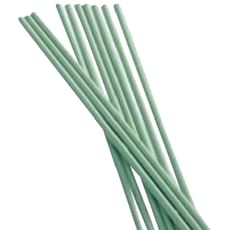
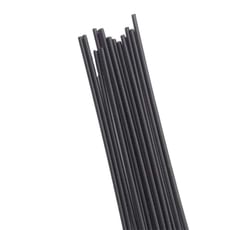
Steinel has established itself as a leading manufacturer of professional-grade plastic welding consumables, and Tooled-Up.com stocks their comprehensive range of plastic welding rods designed for reliable, high-strength repairs and fabrication work. As a trusted name in heat tool technology, Steinel brings decades of German engineering expertise to their welding rod production, ensuring consistent quality and performance across demanding applications. Whether you're working with automotive plastics, industrial fabrication, or repair work, Steinel plastic welding rods deliver the precision and durability that professional tradespeople require.
Steinel's plastic welding rod range covers all major thermoplastic materials, including PP (polypropylene), PE (polyethylene), PVC, ABS, and specialist compounds. Each rod is manufactured to exacting tolerances, ensuring uniform diameter and material consistency for smooth feeding and optimal weld quality. The Tooled-Up Steinel selection is compatible with professional hot air welding systems, particularly Steinel's own heat gun ranges, providing seamless integration for plastic welding professionals.
From automotive bumper repairs to industrial tank fabrication, Steinel plastic welding rods are engineered to create bonds that match or exceed the strength of the parent material when properly applied. Available in various diameters and material compositions, these welding rods represent a professional solution for anyone requiring dependable plastic joining and repair capabilities.
Why Choose Steinel Plastic Welding Rods?
Steinel's reputation in the heat tool industry extends naturally to their plastic welding consumables, where quality control and material science expertise are paramount. Each batch of Steinel welding rods undergoes rigorous testing to ensure consistent melt characteristics, tensile strength, and chemical compatibility with base materials. This attention to detail translates into predictable welding results and reduced waste from failed joints.
The brand's commitment to material purity sets their welding rods apart from generic alternatives. Steinel uses virgin polymer compounds without fillers or contaminants that can compromise weld integrity or create weak points in the finished joint. This pharmaceutical-grade approach to material selection ensures that welds remain flexible where needed and rigid where strength is critical, matching the performance characteristics of the original plastic component.
Professional users appreciate Steinel's colour-coding system and clear material identification, which eliminates guesswork when matching rods to substrate materials. The rods maintain consistent feeding characteristics throughout their length, reducing blockages and ensuring smooth operation with both hand-held and automated welding equipment. For tradespeople who stake their reputation on quality repairs, Steinel plastic welding rods provide the reliability and performance consistency that separates professional work from amateur attempts.
Who Uses Steinel Plastic Welding Rods?
- Automotive body repair specialists working with bumpers, trim, and interior components
- Plastic fabrication engineers in industrial and manufacturing environments
- Marine repair technicians maintaining fibreglass and plastic boat components
- Agricultural engineers repairing tanks, hoppers, and equipment housings
- Roofing contractors installing and repairing PVC membrane systems
- Industrial maintenance teams working with chemical tanks and containment systems
- Construction professionals joining plastic pipework and fabrication elements
- Specialist repair workshops handling white goods and appliance restoration
- Prototype developers requiring reliable plastic joining for proof-of-concept work
Key Features of Steinel Plastic Welding Rods
Steinel plastic welding rods incorporate several distinctive features that enhance both usability and final weld quality. The precision-extruded diameter ensures consistent feed rates through welding nozzles, eliminating the frustration of jamming or irregular material flow. Each rod maintains uniform cross-section along its entire length, allowing for predictable heat absorption and controlled melting during the welding process.
Material composition is carefully formulated to match specific plastic types, with Steinel offering dedicated rod variants for different polymer families. This specialisation ensures optimal chemical bonding at the molecular level, rather than mere mechanical adhesion. The rods exhibit excellent UV stability, preventing degradation in outdoor applications and maintaining joint integrity over extended service life.
Steinel's manufacturing process incorporates moisture control measures that prevent porosity in finished welds. Many inferior welding rods absorb atmospheric moisture, leading to bubbling and weak spots during heating. Steinel's controlled production environment and protective packaging maintain rod quality from factory to final use, ensuring consistent performance regardless of storage conditions.
The rods are available in various diameters to suit different joint configurations and heat gun capacities, with clearly marked material codes for quick identification. This attention to practical usability reflects Steinel's understanding of real-world workshop conditions where efficiency and reliability are equally important.
Popular Steinel Plastic Welding Rods
Browse the Steinel selection at Tooled-Up.com, which includes their most specified welding rod types for professional applications. The PP (polypropylene) range remains the most versatile choice, suitable for automotive repairs, industrial tanks, and general fabrication work. These rods offer excellent chemical resistance and maintain flexibility in finished joints, making them ideal for components subject to vibration or thermal cycling.
PE (polyethylene) welding rods from Steinel cater to agricultural and marine applications where moisture resistance is critical. Available in both high-density and low-density variants, these rods create weatherproof joints that withstand harsh outdoor environments. PVC welding rods serve roofing membrane installation and industrial pipe fabrication, offering the rigidity and chemical resistance required for building services applications.
Steinel's ABS welding rods address the needs of automotive and appliance repair sectors, providing the impact resistance and surface finish quality expected in visible components. Specialist compound rods, including glass-reinforced variants, offer enhanced mechanical properties for structural applications where standard thermoplastics lack sufficient strength.
Safety and Compliance
Steinel plastic welding rods are manufactured to comply with relevant EU material safety standards, with full technical data sheets available for workplace COSHH assessments. When used with appropriate heat sources, the rods produce minimal fume emissions, though adequate ventilation remains essential as recommended by HSE guidelines for hot work activities.
Proper PPE should always be worn during plastic welding operations, including heat-resistant gloves and eye protection. Steinel recommends using their welding rods within specified temperature ranges to avoid thermal decomposition that can release harmful vapours. The rods should be stored in cool, dry conditions away from direct sunlight to maintain material properties and prevent premature degradation.
For professional users, understanding the compatibility between rod material and substrate is crucial for both joint integrity and safety. Steinel provides comprehensive application guidance to ensure proper material matching, reducing the risk of joint failure in critical applications. All Steinel plastic welding consumables carry clear material identification and safety information in compliance with UK chemical classification requirements.
Frequently Asked Questions
How do I identify the correct Steinel welding rod for my plastic repair?
Match the rod material to your substrate plastic type by checking manufacturer markings or conducting a small test weld. Steinel rods are clearly labelled with material codes (PP, PE, PVC, ABS), and the brand provides material identification guides. When in doubt, consult the technical specifications available at Tooled-Up for guidance on material compatibility.
What temperature should I use when welding with Steinel plastic welding rods?
Optimal welding temperatures vary by material type: PP typically requires 300-350°C, PE works best at 280-320°C, whilst PVC needs 280-300°C. Steinel heat guns offer precise temperature control to match these requirements. Always start at lower temperatures and increase gradually to avoid degrading the rod or substrate material.
Can Steinel plastic welding rods be used with other brands of heat guns?
Yes, Steinel welding rods are compatible with any professional-quality hot air welding system capable of reaching and maintaining appropriate temperatures. However, optimal results are achieved when paired with Steinel heat guns, which are specifically calibrated for the brand's welding rod characteristics and offer precise temperature regulation required for quality joints.
How should I store Steinel plastic welding rods to maintain quality?
Store rods in their original packaging in a cool, dry environment away from direct sunlight and heat sources. Avoid damp conditions which can affect material properties. Properly stored Steinel welding rods maintain their performance characteristics indefinitely, though checking for any surface contamination before use is good practice.
What's the difference between triangular and round Steinel welding rods?
Round rods suit most general welding applications and feed smoothly through standard welding nozzles. Triangular profile rods offer increased surface contact area for certain joint configurations and can provide faster welding in specific applications. The choice depends on joint geometry, welding equipment, and personal preference based on the specific repair or fabrication task.