

Trend Countersinks
 Loading...
End of content
Error - No more pages to load
Trend Countersinks at Tooled-Up.com
Trend is renowned throughout the UK for producing precision-engineered cutting tools that deliver professional results, and their countersink range exemplifies this commitment to quality. Designed for both trade professionals and serious DIY enthusiasts, Trend countersinks provide clean, accurate chamfering for screw heads across a wide variety of materials including timber, MDF, chipboard, and composite materials. Each countersink is manufactured to exacting standards, ensuring consistent performance and extended tool life even under demanding site conditions.
Whether you're working on cabinetry, joinery, shopfitting, or general carpentry projects, the Trend countersink collection at Tooled-Up.com offers solutions for both hand-held power drills and dedicated drilling machines. The range encompasses various sizes and configurations, from standard single-flute designs to specialist multi-flute models that provide superior finish quality. Trend's innovative approach to cutter geometry and material selection ensures that each countersink delivers precise chamfers without splintering, tearing, or overheating—common issues with inferior alternatives.
Tooled-Up stocks Trend countersinks in popular sizes ranging from 8mm to 20mm diameter, covering the vast majority of fastening applications encountered by woodworkers and joiners. These tools are particularly valued for their ability to create perfectly flush screw seats that can be easily filled and finished, making them indispensable for high-quality furniture making and architectural joinery where aesthetics are paramount.
Why Choose Trend Countersinks?
Trend has established itself as a trusted name in the British woodworking industry through decades of innovation and quality manufacturing. Their countersinks incorporate high-speed steel (HSS) or tungsten carbide tipped construction, materials specifically chosen for their hardness retention and resistance to wear. This translates directly to longer intervals between replacements, reducing downtime and overall tooling costs for busy professionals.
The precision grinding process used in manufacturing Trend countersinks creates cutting edges that remain sharp significantly longer than budget alternatives. This is particularly important when working with abrasive materials like MDF or chipboard, which can quickly dull inferior tools. Additionally, Trend's rigorous quality control ensures dimensional accuracy across production runs, meaning replacement countersinks will perform identically to their predecessors—critical for maintaining consistency in production environments.
Another compelling reason to choose Trend is their understanding of real-world working conditions. Their countersinks feature optimised flute designs that efficiently clear swarf and prevent chip clogging, allowing for faster drilling speeds and reduced heat buildup. This attention to practical detail reflects Trend's close relationship with professional tradespeople who rely on their tools day in, day out.
Who Uses Trend Countersinks?
- Cabinet Makers and Joiners: Creating flush-fitting screw holes in fine furniture and bespoke cabinetry
- Carpenters: General construction work, door hanging, and architectural joinery applications
- Shopfitters: Installing fixtures, fittings, and display units with professional finishes
- Kitchen Installers: Precise countersinking for hinges, handles, and fixing brackets
- Furniture Manufacturers: Production environments requiring consistent, repeatable results
- Staircase Builders: Creating clean screw fixings in visible hardwood components
- Restoration Specialists: Delicate work on heritage projects requiring precision and control
- DIY Enthusiasts: Home workshop users who demand professional-quality results
Key Features of Trend Countersinks
Trend countersinks incorporate several distinctive features that set them apart from generic alternatives. The precision-ground cutting edges are manufactured to extremely tight tolerances, ensuring clean entry and exit holes without splintering or tear-out. Many models feature a pilot point design that centres the countersink accurately before the main cutting edges engage, preventing wandering and ensuring perfectly aligned chamfers.
The flute geometry is optimised for efficient chip evacuation, particularly important when creating deep countersinks or working with resinous softwoods that can clog cutting edges. Trend's heat treatment processes enhance the hardness and wear resistance of their HSS countersinks, whilst their tungsten carbide tipped variants offer exceptional longevity when working with abrasive composite materials.
Available with both parallel shanks for standard drill chucks and hexagonal shanks for quick-change systems, Trend countersinks integrate seamlessly with modern power tool setups. The shank dimensions are manufactured to exacting tolerances, minimising runout and vibration that could compromise hole quality or accelerate tool wear.
Popular Trend Countersinks
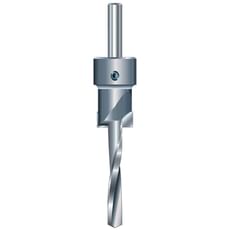
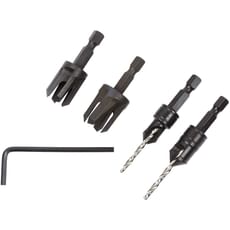
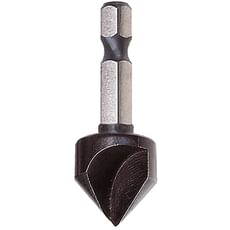
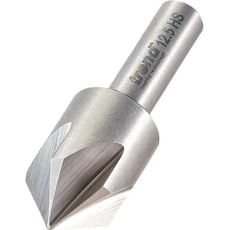
The Trend countersink range includes several popular configurations suited to different applications. Standard HSS countersinks in 10mm, 12mm, and 16mm diameters remain the workhorses for general joinery, providing excellent value and performance for everyday screw countersinking tasks. These tools handle softwoods, hardwoods, and manufactured boards with equal proficiency.
For demanding applications involving abrasive materials, Trend's tungsten carbide tipped countersinks deliver superior longevity. The carbide cutting edges resist wear far better than HSS when working with MDF, chipboard, or laminated materials, making them the preferred choice for production environments and shopfitting applications.
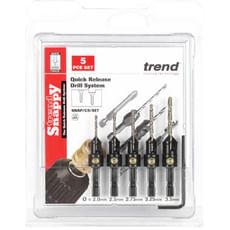
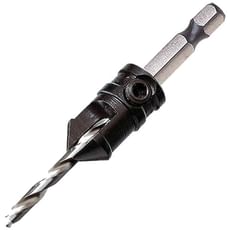
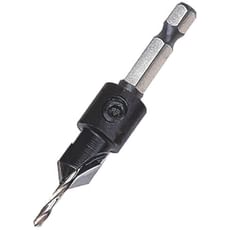
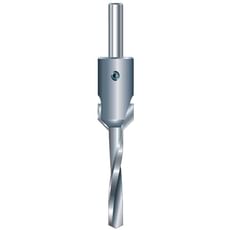
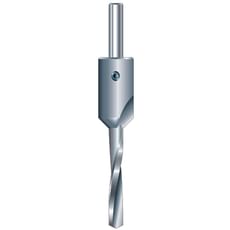
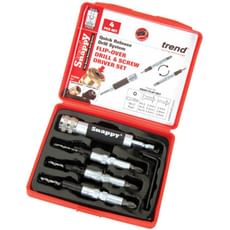
Trend also produces combination drill and countersink bits that create pilot holes and countersinks in a single operation, significantly speeding up repetitive tasks. These are particularly popular with kitchen fitters and cabinet makers who need to install numerous fixings quickly without compromising quality.
Safety and Compliance
When using Trend countersinks, adherence to HSE guidelines for power tool operation is essential. Always ensure workpieces are securely clamped before drilling, and never attempt to steady material by hand whilst operating powered equipment. Safety glasses should be worn at all times to protect against flying debris, and dust extraction should be employed when countersinking materials that produce fine dust particles.
Countersinks should be operated at appropriate speeds for the material being worked—excessive speed can cause overheating and premature dulling, whilst insufficient speed may result in poor finish quality or binding. Consult manufacturer recommendations and adjust drill speed accordingly. Regular inspection of cutting edges helps identify wear before it affects performance, and damaged or excessively worn countersinks should be replaced promptly to maintain safety and quality standards.
Store Trend countersinks in protective cases or organised tool storage to prevent damage to the cutting edges. Contact with other tools or metal surfaces can chip or dull the precision-ground edges, reducing performance and potentially creating safety hazards through vibration or binding during use.
Frequently Asked Questions
What's the difference between HSS and tungsten carbide tipped Trend countersinks?
HSS (high-speed steel) countersinks offer excellent performance and value for general woodworking applications involving timber and standard manufactured boards. Tungsten carbide tipped versions provide significantly longer tool life when working with abrasive materials like MDF, chipboard, or laminated panels. For occasional use, HSS is perfectly adequate; for production environments or regular work with abrasive materials, carbide tipped represents better long-term value.
Can Trend countersinks be used in metal as well as wood?
Whilst Trend produces countersinks specifically designed for metalworking applications, their standard wood countersinks are optimised for timber and wood-based materials. The cutting angles, flute designs, and material specifications differ between wood and metal countersinks. For best results and tool longevity, use countersinks designed for the specific material you're working with.
How do I know which size Trend countersink to use?
The countersink diameter should match the head diameter of the screw being used. For typical woodscrews, a 12mm countersink suits No.8 screws, whilst 16mm works well for No.10 and No.12 screws. When flush-filling countersinks for invisible fixings, slightly oversizing allows room for filler material. For visible brass screws or decorative applications, precise matching ensures the screw head sits perfectly flush.
Why does my countersink produce rough or splintered holes?
Several factors can cause poor finish quality: dull cutting edges are the most common culprit and indicate the countersink needs replacement. Excessive drill speed, particularly in hardwoods, can cause burning and tear-out. Insufficient support beneath the workpiece allows fibres to tear rather than cut cleanly—backing boards eliminate this issue. Finally, withdrawing the countersink before the drill has stopped spinning can catch and tear fibres at the exit point.
Are Trend countersinks suitable for use with impact drivers?
Trend countersinks with hexagonal shanks can be used in impact drivers, though this application requires care. The percussive action of impact drivers can accelerate wear on countersink cutting edges and may cause chatter or poor finish quality in some materials. For best results, particularly in fine woodworking, use countersinks in standard drills or drilling machines where speed can be precisely controlled. Reserve impact driver use for rougher construction applications where ultimate finish quality is less critical.