

Tyzack Plastering Trowels
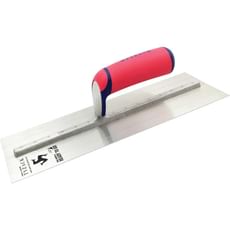
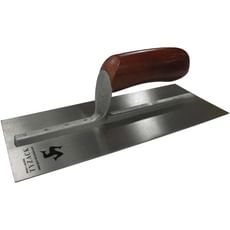
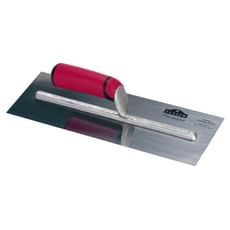
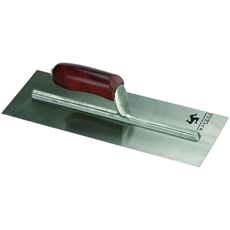
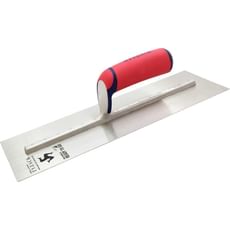
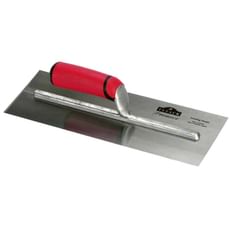
 Loading...
End of content
Error - No more pages to load
Tyzack Plastering Trowels at Tooled-Up.com
Tyzack has been synonymous with quality hand tools for over two centuries, and their plastering trowels continue this proud tradition of British craftsmanship. Recognised throughout the trade for their exceptional build quality and lasting performance, Tyzack plastering trowels represent the perfect balance of traditional manufacturing techniques and modern material innovation. These trowels are designed specifically for the demanding requirements of professional plasterers who need tools they can rely on day after day on site.
The Tyzack range available from Tooled-Up.com encompasses everything from finishing trowels and skimming trowels to specialised corner trowels and gauging trowels. Each tool is manufactured with precision-ground blades that provide the smooth, flat surface essential for achieving professional plastering results. Whether you're working on new construction, renovation projects, or specialist decorative plastering, Tyzack offers trowels engineered to meet the exacting standards of today's plasterers.
Built with ergonomically designed handles that reduce hand fatigue during extended use, Tyzack plastering trowels help tradespeople maintain productivity throughout long working days. The handles are carefully balanced to provide optimal weight distribution, whilst the blades are crafted from high-grade stainless steel that resists corrosion and maintains its edge through countless applications.
Why Choose Tyzack Plastering Trowels?
Tyzack's reputation in the plastering trade has been earned through decades of consistent quality and performance. Their trowels feature precision-ground blades manufactured to extremely tight tolerances, ensuring a perfectly flat surface that's essential for achieving smooth, professional finishes. The stainless steel construction provides excellent resistance to rust and chemical attack from various plaster compounds, whilst maintaining the flexibility needed for proper application technique.
The handle design on Tyzack trowels incorporates lessons learned from generations of plasterers. Comfortable grips reduce hand strain and blistering, whilst the secure attachment method ensures the blade remains firmly fixed even under the stresses of heavy daily use. Many professional plasterers specifically choose Tyzack because they know these tools will perform reliably across different plaster types, from traditional lime-based materials to modern gypsum compounds.
Value for money is another hallmark of the Tyzack brand. Whilst these aren't budget tools, they represent excellent long-term investment for serious tradespeople. The durability and longevity of Tyzack trowels mean they often outlast cheaper alternatives several times over, making them more economical over the working life of the tool.
Who Uses Tyzack Plastering Trowels?
- Professional plasterers working on commercial and residential projects
- Dry lining specialists who need reliable finishing tools for plasterboard work
- General builders who undertake their own plastering and rendering
- Restoration specialists working with traditional lime plasters and heritage buildings
- Maintenance contractors requiring dependable tools for patch repairs and refurbishment
- Construction apprentices learning the plastering trade with quality equipment
- DIY enthusiasts tackling home improvement projects who want professional-grade results
Key Features of Tyzack Plastering Trowels
Tyzack plastering trowels incorporate several distinctive features that set them apart in the marketplace. The precision-ground stainless steel blades are manufactured to exacting flatness specifications, eliminating the ripples and imperfections that can plague lesser-quality trowels. This flat blade profile is crucial for achieving the smooth, level finishes that define professional plastering work.
The mounting system used to attach handles to blades represents another key innovation. Tyzack employs robust fixing methods that prevent the wobble and movement that can develop in poorly constructed trowels. This solid connection ensures consistent control and feel throughout the working life of the tool.
Handle ergonomics have been carefully considered, with designs that accommodate different hand sizes and gripping styles. The materials used for handle construction provide excellent grip even when wet, whilst remaining comfortable during extended use. The balanced weight distribution between blade and handle reduces wrist fatigue and allows for more controlled application of plaster.
Blade flexibility is calibrated to provide the right amount of give for proper plastering technique without being so flexible that control is compromised. This careful engineering allows plasterers to maintain the optimal blade angle throughout their strokes, resulting in superior finish quality.
Popular Tyzack Plastering Trowels
The Tyzack range at Tooled-Up includes several essential trowel types for comprehensive plastering work. Finishing trowels are available in various sizes, typically from 11 inches to 16 inches, allowing plasterers to select the right tool for different working areas. These larger trowels are ideal for applying and smoothing the final coat on walls and ceilings.
Gauging trowels in smaller sizes provide the precision needed for detailed work, mixing small quantities of plaster, and working in confined spaces. Corner trowels and internal corner trowels help achieve crisp, professional angles where walls meet. Bucket trowels facilitate efficient material handling, whilst pointing trowels offer the control needed for brickwork and repair applications.
Safety and Compliance
Whilst plastering trowels are relatively simple tools, proper use is essential for both safety and results. Always ensure handles are securely attached before use, and replace any trowel showing signs of handle looseness or blade damage. Clean trowels thoroughly after each use to prevent plaster build-up, which can affect performance and potentially cause hand strain through increased weight.
When working with plaster materials, follow COSHH guidelines regarding skin protection and ventilation. Wear appropriate PPE including gloves when handling wet plaster to prevent skin irritation. Store trowels in a dry location to maximise their working life and prevent corrosion. Regular inspection of blade edges helps maintain optimal performance and prevents the need for excessive pressure during application, which can lead to repetitive strain injuries.
Frequently Asked Questions
How do I maintain my Tyzack plastering trowels?
Clean trowels immediately after use with warm water, removing all plaster residue. Dry thoroughly and store in a dry location. Occasionally apply a light coating of oil to the blade to prevent corrosion. Check handle security regularly and address any looseness promptly.
What size finishing trowel should I choose?
For general plastering work, a 14-inch or 16-inch finishing trowel provides good coverage on larger areas. Smaller 11-inch or 13-inch trowels offer better control in confined spaces or for beginners still developing their technique. Many professional plasterers own multiple sizes for different applications.
Are Tyzack trowels suitable for both gypsum and lime plasters?
Yes, Tyzack stainless steel trowels perform excellently with all plaster types including modern gypsum-based products and traditional lime plasters. The corrosion-resistant construction makes them particularly well-suited for the more alkaline lime-based materials used in heritage restoration work.
How can I tell when a plastering trowel needs replacing?
Replace trowels when the blade develops permanent bends or twists that affect flatness, when the handle becomes loose beyond repair, or when the blade edges become excessively worn. Minor wear is normal, but significant degradation will compromise finish quality and make plastering more difficult.
What's the difference between a finishing trowel and a gauging trowel?
Finishing trowels are larger tools (typically 11-16 inches) used for applying and smoothing the final coat over larger areas. Gauging trowels are smaller (usually 6-7 inches) and provide greater control for mixing small batches, working in tight spaces, and detailed applications where precision is paramount.