

Wera Bradawls

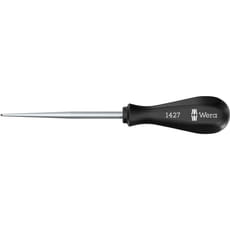
 Loading...
Wera Bradawls at Tooled-Up.com
Wera bradawls represent the German manufacturer's commitment to precision engineering and innovative tool design in even the most traditional of hand tools. Known for transforming conventional workshop equipment through cutting-edge materials and ergonomic design, Wera brings the same meticulous attention to detail to their bradawl range that has made them a favourite among professional tradespeople across the UK. These specialist marking and pilot hole tools combine traditional functionality with modern manufacturing excellence, delivering superior performance for carpenters, joiners, and furniture makers who demand precision in their preliminary marking and drilling work.
The Wera bradawl collection available from Tooled-Up.com showcases the brand's philosophy of "tools for professionals by professionals," featuring hardened steel tips, ergonomic handle designs, and the durability required for daily site use. Whether you're marking precise centres for screw holes in hardwood, creating pilot holes in softwood, or marking alignment points on timber frames, Wera's engineering excellence ensures clean, accurate results every time. Each bradawl is manufactured to exacting standards, with carefully ground points that penetrate wood fibres cleanly without splitting, making them essential tools for fine carpentry and joinery work.
Tooled-Up stocks Wera's bradawl range for tradespeople who understand that even the simplest tools can benefit from innovative design. The brand's reputation for quality control and material selection means that every bradawl delivers consistent performance throughout its working life, resisting the wear and deformation that can affect lesser quality marking tools.
Why Choose Wera Bradawls?
Wera's reputation for innovation extends beyond power tools and screwdriving systems to encompass their entire hand tool portfolio. Their bradawls feature precision-ground hardened steel tips that maintain sharpness far longer than conventional carbon steel alternatives, reducing the need for frequent sharpening and ensuring consistent hole quality. The brand's attention to ergonomics means that even tools used for pressing and piercing actions benefit from carefully shaped handles that reduce hand fatigue during extended use.
The German engineering heritage behind Wera tools guarantees strict quality control throughout the manufacturing process. Each bradawl undergoes rigorous testing to ensure the tip geometry is optimised for clean fibre separation, the handle attachment is secure under rotational stress, and the overall tool balance feels natural in the hand. This commitment to excellence has established Wera as a premium choice for professional tradespeople who rely on their tools daily and cannot afford failures or inconsistent performance on site.
Wera's distinctive styling and high-visibility finishes also make their tools easily identifiable in busy workshops and tool bags, reducing the likelihood of misplacement. The brand's focus on longevity means that investing in Wera bradawls represents genuine value, as these tools will outlast budget alternatives many times over whilst maintaining their original performance characteristics.
Who Uses Wera Bradawls?
Wera bradawls are the tool of choice for professionals and serious enthusiasts across multiple disciplines:
- Carpenters and joiners who require precise pilot holes for fine cabinet work and furniture assembly
- Shopfitters working with hardwoods and engineered timber products where clean marking is essential
- Antique furniture restorers who need to match traditional joinery techniques with precision tools
- Theatrical set builders and scenery carpenters requiring quick, accurate marking for temporary structures
- Boat builders working with marine ply and hardwoods in confined spaces
- Picture framers and fine woodworkers where splitting prevention is critical
- DIY enthusiasts who appreciate professional-grade tools for home workshop projects
- Heritage building specialists maintaining historic timber structures using traditional techniques
Key Features of Wera Bradawls
Wera bradawls incorporate several distinctive features that elevate them above standard marking tools. The precision-ground tip geometry is engineered to separate wood fibres rather than forcing them apart, significantly reducing the risk of splitting in both hardwoods and softwoods. This makes them particularly valuable when working close to edges or end grain where conventional bradawls might cause fractures.
The hardened steel construction ensures the tip maintains its sharp point through thousands of uses, whilst the careful tempering prevents brittleness that could lead to tip breakage under pressure. Wera's handle designs feature ergonomic shaping that provides comfortable grip during both rotational marking and downward pressing motions, with textured surfaces that maintain purchase even when hands are dusty or slightly damp from site conditions.
The secure handle-to-shaft connection is engineered to withstand the lateral forces encountered during angled marking work, preventing the loosening that can affect cheaper bradawls over time. Many Wera bradawl designs incorporate the brand's distinctive colour coding and high-visibility finishes, making tool identification quick and reducing time wasted searching through toolboxes on busy sites.
Popular Wera Bradawls
Wera's bradawl range encompasses various tip styles and handle configurations to suit different applications and user preferences. Their standard square-section bradawls are ideal for general carpentry work, providing excellent fibre separation in softwoods and medium-density hardwoods. The square profile creates a pilot hole that readily accepts traditional wood screws whilst providing some resistance to rotation during marking.
For finer work, Wera offers bradawls with round-section tips that create smaller diameter pilot holes suitable for delicate joinery and restoration work where minimal material displacement is required. These are particularly favoured by furniture makers and antique restorers working with precious hardwoods where every mark must be precisely controlled.
The ergonomic handle variants feature Wera's signature grip designs that distribute pressure across the palm, reducing fatigue during repetitive marking operations. These are especially popular with shopfitters and production carpenters who may use bradawls dozens of times daily.
Safety and Compliance
Whilst bradawls are relatively simple tools, proper usage is essential for both personal safety and optimal results. The sharp, hardened tips should always be directed away from the body, with work pieces securely held or clamped to prevent movement during marking. Eye protection is advisable when working with particularly hard or brittle timbers where wood chips might be ejected during penetration.
Bradawls should be stored with tip protection to prevent accidental injury and to protect the carefully ground point from damage. Regular inspection for handle security and tip condition ensures continued safe operation. When working on ladders or scaffolding, bradawls should be secured with lanyards to prevent drops that could injure those below, in accordance with HSE guidelines for working at height.
Wera's commitment to manufacturing excellence means their bradawls are produced to high quality standards, with robust construction that resists the handle separation and tip deformation that can make inferior tools hazardous during use. Proper tool maintenance, including occasional tip sharpening with appropriate files or stones, ensures continued safe and effective performance throughout the tool's working life.
Frequently Asked Questions
What's the difference between square and round bradawl tips?
Square-section bradawls create slightly larger pilot holes and provide some resistance to rotation, making them ideal for general carpentry and preparing holes for traditional wood screws. Round-section bradawls make smaller, neater holes preferred for fine joinery, furniture work, and situations where minimal material displacement is required. Wera offers both types to suit different applications and user preferences.
How do I maintain my Wera bradawl's tip sharpness?
Wera's hardened steel tips maintain sharpness far longer than standard carbon steel, but will eventually require touching up. Use a fine metal file or sharpening stone to restore the point, maintaining the original tip angle. File each face evenly to preserve the symmetrical geometry that ensures clean fibre separation. Always work from the handle towards the tip and avoid excessive pressure that might alter the carefully engineered tip profile.
Can Wera bradawls be used with hardwoods like oak and ash?
Yes, Wera bradawls are specifically designed to handle hardwoods effectively. The hardened steel construction and precision-ground tips penetrate dense timber fibres cleanly, whilst the ergonomic handles provide comfortable grip during the additional pressure required for harder species. For particularly dense hardwoods, a gentle rotating motion whilst applying downward pressure helps the tip cut through fibres more easily.
Why choose a Wera bradawl over budget alternatives?
Wera bradawls offer significantly longer tip life due to superior steel quality and heat treatment, maintain their geometry under repeated use, and feature ergonomic handles that reduce hand fatigue. The precision manufacturing ensures consistent hole quality, reducing splitting risks that can ruin expensive timber. For professional tradespeople, the reliability and longevity of Wera tools represents genuine value despite the higher initial investment.
Are Wera bradawls suitable for engineered wood products like MDF and chipboard?
Whilst bradawls are primarily designed for natural timber where they separate wood fibres, Wera's hardened tips can mark engineered boards effectively. However, for MDF and chipboard, purpose-designed pilot drill bits often produce better results for screw holes. Bradawls work well for initial marking and shallow indentations in these materials but may require more pressure than when used on natural timber due to the bonded particle structure.