

Breakers
Pay in 3 interest-free payments on purchases from £30-2000 with  . Learn more.
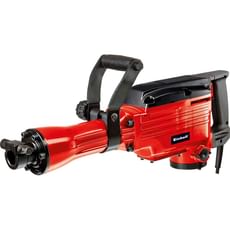
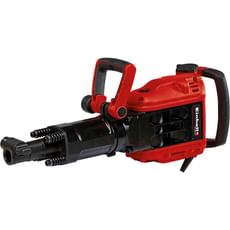
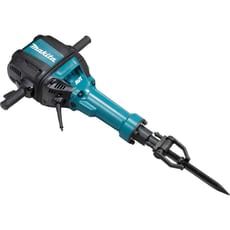
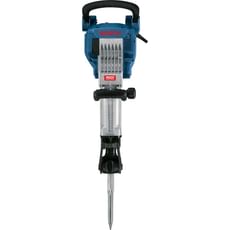
 Loading...
End of content
Error - No more pages to load
About Breakers
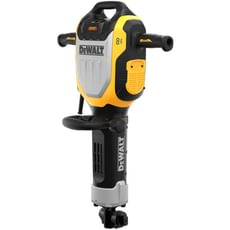
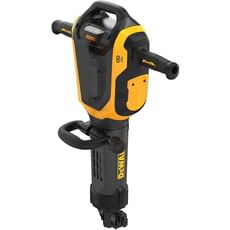
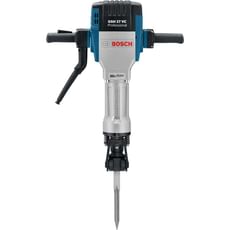
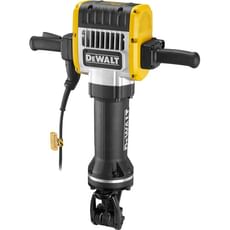
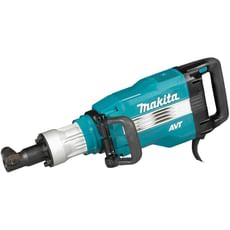
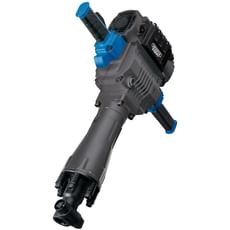
Breakers, also known as demolition breakers, concrete breakers, jackhammers or demolition hammers, are heavy-duty power tools designed specifically for breaking up hard materials at ground level. These powerful machines excel at demolishing concrete, stone, asphalt, and various paving materials, making them indispensable for renovation projects, groundworks, and site preparation. Unlike combi hammers or rotary hammer drills, breakers are purpose-built for demolition work only – they don't have drilling modes and are designed exclusively for use with chisel attachments.
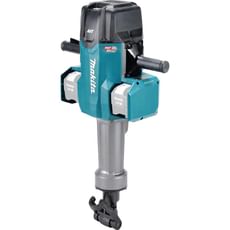
Modern breakers are available in both corded electric and cordless battery-powered variants, with power outputs typically ranging from 1500W to over 2000W for mains-powered models. Professional-grade breakers from leading manufacturers such as Bosch Professional, DeWalt, and Makita feature advanced vibration reduction systems like AVT (Anti-Vibration Technology) to reduce operator fatigue during extended use. These machines deliver tremendous impact energy, measured in joules, with some heavy-duty models producing over 60J per blow to make short work of reinforced concrete and stubborn masonry.
The majority of breakers accept SDS-Hex or hexagonal shank chisels, though compatibility varies between manufacturers and models, so it's essential to check which chisel system your chosen tool uses. Many breakers also feature trolley compatibility, allowing them to be mounted on wheeled frames for floor removal work, significantly reducing operator strain and improving control during horizontal demolition tasks. Tooled-Up.com stocks a comprehensive range of demolition breakers from trusted brands including Bosch Professional, DeWalt, Makita, Draper, Einhell, and Sealey, suitable for both professional contractors and demanding DIY applications.
Jargon Buster
- Impact Energy (Joules): The force delivered with each blow of the breaker, measured in joules (J). Higher joule ratings mean more powerful breaking action – typically ranging from 30J for lighter models up to 70J+ for industrial-grade breakers.
- SDS-Hex: A hexagonal shank system used for chisel attachments on breakers, providing secure tool holding and efficient power transmission. Different from the SDS-Plus or SDS-Max systems used on rotary hammers.
- AVT (Anti-Vibration Technology): Advanced vibration dampening systems that reduce the vibration transmitted to the operator's hands and arms, crucial for complying with HSE Hand-Arm Vibration Syndrome (HAVS) regulations during prolonged use.
- Impact Rate (BPM): The number of blows per minute the breaker delivers, typically ranging from 1,000 to 2,000 BPM. Higher impact rates don't always mean better performance – impact energy is often more important.
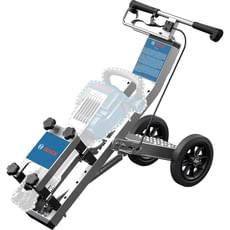
- Trolley System: A wheeled frame attachment that allows the breaker to be mounted horizontally for floor and ground-level work, reducing physical strain and improving control during extensive demolition projects.
- Brushless Motor: Modern motor technology found in cordless models that delivers more power, longer runtime, and increased tool lifespan compared to traditional brushed motors, whilst requiring less maintenance.
Who Uses Breakers?
Breakers are essential tools for a wide range of construction professionals and demanding DIY applications:
- Groundwork Contractors: Breaking up concrete bases, removing old foundations, and preparing sites for new construction
- Demolition Specialists: Systematic dismantling of concrete structures, walls, and floors during renovation or demolition projects
- Civil Engineering Contractors: Road repair work, pavement removal, and infrastructure maintenance
- Landscaping Professionals: Removing concrete patios, breaking up old pathways, and site levelling work
- General Builders: Renovation projects requiring removal of concrete floors, hearths, or structural elements
- Plant Hire Companies: Providing demolition equipment for short-term projects and specialist applications
- Utility Companies: Access work for underground services, breaking through concrete and asphalt surfaces
- Serious DIY Enthusiasts: Major home renovation projects, driveway removal, or extensive garden landscaping work
How to Choose the Right Breakers
Power Source: Corded electric breakers provide consistent power for extended use and are ideal for sustained demolition work with access to 240v mains electricity. Cordless models using 40V-54V battery systems offer excellent portability for remote sites or outdoor work, though they're typically more expensive and suited to intermittent use rather than all-day demolition. The Tooled-Up range includes both corded and cordless options from DeWalt, Makita, and other leading brands.
Impact Energy: Consider the materials you'll be breaking. For domestic paving and light concrete work, a 30-40J breaker should suffice. Commercial contractors tackling reinforced concrete and heavy-duty applications should look at 50J+ models. Remember that higher impact energy means a heavier tool, so balance power against operator comfort.
Vibration Control: This is critical for professional users who must comply with HSE regulations regarding Hand-Arm Vibration Syndrome (HAVS). Look for models with advanced anti-vibration systems, particularly if you'll be using the tool regularly. Manufacturers specify vibration levels in m/s² – lower figures mean less vibration transmission.
Weight and Ergonomics: Breakers typically weigh between 10-30kg, with heavier models delivering more impact energy but causing greater fatigue. Consider whether you'll be working vertically (breaking walls) or horizontally (floors), as this affects how the weight feels. Trolley compatibility is invaluable for floor work.
Brand and Build Quality: Professional brands like Bosch Professional, DeWalt, and Makita offer superior durability, comprehensive warranties, and readily available service support. Budget brands from manufacturers like Draper and Einhell can be cost-effective for occasional use, but may lack the longevity required for daily commercial applications.
Chisel Compatibility: Check which chisel system the breaker uses and ensure compatible accessories are readily available. Some manufacturers use proprietary systems, whilst others use more universal hex shanks. Consider purchasing additional chisels (point, flat, and spade varieties) when buying your breaker.
Popular Accessories
- Point Chisels: The most common attachment for breaking through concrete and masonry, concentrating force on a small area for maximum penetration
- Flat Chisels: Wide blade design for removing tiles, breaking up floor surfaces, and general demolition work across broader areas
- Spade Chisels: Angled design ideal for removing old render, cutting channels in concrete, and precision demolition work
- Floor Removal Trolleys: Wheeled frames that convert breakers for horizontal use, essential for extensive floor demolition projects and reducing operator fatigue
- Chisel Grease: Special lubricant for the chisel shank that prevents seizing and ensures smooth operation, extending both tool and accessory lifespan
- Dust Extraction Attachments: Shrouds and collection systems for controlling harmful silica dust when working with concrete, helping comply with COSHH regulations
- Tool Cases and Bags: Heavy-duty storage solutions for transporting breakers safely between sites and protecting them during storage
Safety Information
Breakers are powerful tools that present significant safety hazards if used improperly. Always wear appropriate personal protective equipment including:
- Safety Boots: Steel toe-capped footwear with penetration-resistant soles to protect against falling debris and sharp concrete fragments
- Eye Protection: Impact-rated safety goggles or a full face shield to guard against flying concrete chips and dust
- Hearing Protection: Ear defenders or plugs rated to at least 25dB reduction, as breakers typically operate at 100dB+
- Respiratory Protection: FFP3-rated dust masks or powered respirators when breaking concrete, as silica dust poses serious long-term health risks under COSHH regulations
- Anti-Vibration Gloves: Specialised gloves that provide additional protection against Hand-Arm Vibration Syndrome (HAVS)
Electrical Safety: When using corded breakers outdoors, always plug into an RCD (Residual Current Device) protected socket rated to 30mA. Never use electrical tools in wet conditions or when standing in water. Inspect power cables before each use for damage, and ensure your tool is PAT tested regularly if used commercially.
Work Area Preparation: Before starting demolition work, check for hidden services including electrical cables, gas pipes, and water mains. Use a cable detector and consult building plans. Clear the work area of trip hazards and ensure adequate ventilation when working indoors. Be aware that prolonged vibration exposure is regulated by HSE – take regular breaks and monitor your daily exposure time.
Frequently Asked Questions
What's the difference between a breaker and a demolition hammer?
These terms are often used interchangeably, though traditionally "breaker" refers to larger, more powerful tools designed specifically for ground-level work, whilst "demolition hammer" can include lighter models suitable for both vertical and horizontal applications. Both are chisel-only tools without drilling capability, distinguishing them from combi hammers which offer multiple modes.
Can I use SDS-Max chisels in my breaker?
No – breakers typically use hexagonal (SDS-Hex) shank chisels, which are completely different from the SDS-Max or SDS-Plus systems used in rotary hammers and combi drills. Always check your tool's specification and only use compatible accessories. Hex shanks are usually 17mm, 19mm, or 28mm in diameter depending on the breaker size.
How long can I safely use a breaker in one day?
This depends on the tool's vibration rating and HSE exposure limits for Hand-Arm Vibration. Most professional breakers include vibration figures (m/s²) in their specifications, which determine safe daily exposure times. For example, a tool with 10 m/s² vibration may have a safe exposure limit of around 1-2 hours per day. Always consult your tool's manual and comply with HSE HAVS regulations, taking regular breaks to reduce vibration exposure.
Do I need a cordless or corded breaker?
Corded electric breakers provide unlimited runtime and consistent power, making them ideal for extensive demolition projects with 240v mains electricity access. Cordless models using 40V-54V batteries offer excellent portability for remote sites, outdoor work away from power supplies, and situations where trailing cables pose trip hazards. However, cordless breakers are significantly more expensive and better suited to intermittent use rather than continuous all-day operation.
What size generator do I need to run a breaker on site?
Most electric breakers draw between 1500W and 2100W, but their startup current can be significantly higher. As a general rule, you'll need a generator rated at least 50% higher than the tool's running wattage – so a 2000W breaker requires approximately a 3000W (3kVA) generator minimum. Always check both the tool and generator specifications, and consider that site generators will also need to power other equipment simultaneously.