

Brick Cutters

Pay in 3 interest-free payments on purchases from £20-£3000 with  . Learn more.
 Loading...
End of content
Error - No more pages to load
About Brick Cutters
Brick cutters are indispensable hand tools for splitting, scoring and cutting through brickwork, concrete blocks and masonry materials with precision and control. Whether you're a professional bricklayer on large-scale construction sites or a DIY enthusiast tackling garden walls and patio projects, the right brick cutting tools deliver clean, accurate results without relying on powered equipment. From heavy-duty bolster chisels to specialised block splitters, these robust tools are engineered to withstand demanding site conditions whilst maintaining consistent performance across various masonry materials.
The key advantage of manual brick cutters lies in their simplicity and versatility. Unlike powered cutting equipment, hand-operated brick cutters require no electricity, produce minimal dust, and offer complete control over every cut. They're particularly valuable for precision work, smaller jobs where power tools would be impractical, or situations where noise and dust must be kept to a minimum. Modern brick cutting tools feature hardened steel construction with ergonomic handles designed to reduce hand fatigue during extended use, whilst hand guards provide essential protection against mis-strikes and flying debris.
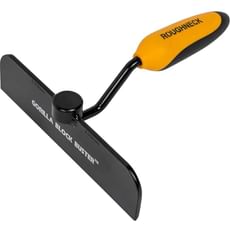
From traditional bolster chisels like the Roughneck Gorilla Block Buster Bolster through to mechanical brick splitters, these tools have evolved to meet contemporary construction industry demands. Quality brick cutters available from Tooled-Up.com are built to withstand repeated impacts and the abrasive nature of masonry work, making them a worthwhile investment for anyone regularly working with brickwork, concrete blocks or stone materials.
Jargon Buster
- Bolster Chisel: A wide-bladed cold chisel specifically designed for cutting bricks, blocks and masonry. The broad blade distributes force evenly across the cutting line, typically measuring between 75mm and 100mm wide, ensuring clean breaks rather than unpredictable fractures.
- Club Hammer (Lump Hammer): A short-handled, heavy hammer weighing between 1kg and 2kg, used to strike bolster chisels and other masonry cutting tools. Essential companion tool for manual brick cutting operations, providing the necessary weight and striking surface for effective cutting.
- Score Line: A groove cut into the surface of a brick or block to guide the final splitting cut. Creating a proper score line on all four sides ensures a clean, accurate break along the desired cutting line, preventing unwanted cracks or uneven edges.
- Hand Guard (Hand Protector): A protective barrier fitted above the handle on bolster chisels to shield your hand from mis-strikes and flying debris during cutting operations. An essential safety feature that distinguishes quality professional tools from budget alternatives.
- Hardened Striking Cap: A specially heat-treated steel top on quality chisels designed to resist damage from repeated hammer blows, preventing mushrooming (dangerous deformation of the striking surface) and extending tool life significantly.
- Drop-Forged Steel: A manufacturing process where heated steel is shaped under extreme pressure, creating tools with superior strength and durability compared to cast alternatives. Premium brick cutters use drop-forged construction to withstand the punishment of daily site work.
Who Uses Brick Cutters?
- Bricklayers and Masons: Professional tradespeople who rely on brick cutters daily for precise cutting during wall construction, repointing work and structural repairs across residential and commercial projects.
- General Builders: Construction workers who need versatile cutting tools for various masonry tasks across different projects and site conditions, from new builds to renovation work.
- Landscapers and Groundworkers: Professionals installing block paving, retaining walls, raised beds and garden features requiring accurate brick and block cutting for professional finishes.
- Restoration Specialists: Heritage and conservation tradespeople working on listed buildings where careful, controlled cutting is essential to match existing brickwork and maintain architectural integrity.
- Property Maintenance Contractors: Multi-trade professionals carrying out repairs, alterations and maintenance work involving brickwork modifications, window installations and doorway adjustments.
- DIY Enthusiasts: Home improvers tackling garden walls, patios, extensions and repair projects requiring occasional brick cutting capabilities without the expense of powered equipment.
- Demolition Workers: Contractors who need robust cutting tools for removing and modifying existing masonry structures safely and efficiently during strip-out and alteration projects.
How to Choose the Right Brick Cutters
Selecting the appropriate brick cutting tool depends on several factors related to your specific requirements and working conditions. Consider the frequency of use first – professional tradespeople working daily with masonry materials should invest in premium-quality tools with hardened steel construction and robust guarantees, whilst occasional users might find mid-range options perfectly adequate for periodic DIY projects.
Blade width is crucial for efficiency and accuracy. Standard bolster chisels typically range from 75mm to 100mm wide, with broader blades better suited to cutting larger concrete blocks and wider bricks in a single strike. Narrower blades offer more precision for detailed work and cutting curves or angles. Look for tools with properly hardened and ground cutting edges that maintain sharpness through extended use, reducing the effort required for each cut.
Handle design significantly impacts comfort and safety during prolonged use. The Tooled-Up range includes brick cutters featuring ergonomic grips that reduce hand fatigue and provide secure control even when wearing work gloves. Hand guards are essential safety features that protect against mis-strikes – never compromise on this protective element. Some models incorporate shock-absorbing materials in the handle to reduce vibration transmission during repeated striking, protecting against long-term hand-arm vibration issues.
Build quality separates professional-grade tools from budget alternatives. Examine the steel specification – drop-forged, hardened steel construction ensures durability and prevents premature wear. Check the striking cap is properly hardened to resist mushrooming, which can create dangerous sharp edges and flying metal fragments. Reputable brands like Roughneck and Stanley build their masonry tools to withstand the punishment of daily site work, often offering lifetime guarantees on properly maintained tools.
Consider whether you need a complete brick cutting kit including club hammer, safety glasses and work gloves, or if you're adding to existing equipment. Some tradespeople prefer having multiple bolster widths available for different cutting requirements, whilst others rely on a single versatile tool for all applications.
Popular Accessories
- Club Hammers (Lump Hammers): Essential striking tools in 1kg, 1.5kg and 2kg weights for driving bolster chisels through brickwork effectively without damaging the striking cap.
- Brick Trowels: For clearing debris and mortar during cutting operations and general bricklaying work, ensuring clean working surfaces.
- Safety Glasses and Goggles: Crucial eye protection conforming to BS EN 166 standards against flying brick fragments and dust particles generated during cutting operations.
- Work Gloves: Heavy-duty protective gloves providing grip and shielding hands from sharp edges, vibration and abrasive masonry surfaces.
- Measuring and Marking Tools: Tape measures, marking pencils and chalk lines for accurate cut line layout, ensuring professional results and minimal material wastage.
- Spirit Levels: Ensuring cut lines are accurately positioned, particularly important for visible finished work on garden walls and architectural features.
- Kneeling Pads and Knee Protection: Essential comfort and safety equipment for prolonged ground-level cutting work, preventing long-term joint damage.
- Tool Bags and Storage: Stanley FatMax and other durable storage solutions for protecting and organising brick cutting tools on site, preventing damage during transport.
- Cold Chisels (Various Sizes): Complementary cutting tools for more detailed masonry work, removing mortar and precision cutting tasks.
- Wire Brushes: For cleaning cut surfaces and removing debris before laying or pointing, ensuring proper mortar adhesion.
Safety Information
Working with brick cutters involves striking tools and breaking masonry materials, creating several safety hazards that require proper precautions. Always wear appropriate personal protective equipment (PPE) including safety glasses or goggles to protect against flying brick fragments, which can cause serious eye injuries. The HSE recommends impact-resistant eyewear conforming to BS EN 166 standards for all masonry cutting operations, with side protection to prevent fragments entering from angles.
Hand protection is essential when handling bricks and operating cutting tools. Use heavy-duty work gloves that provide adequate grip whilst protecting against sharp edges and vibration. However, ensure gloves don't compromise your control of the tool – proper grip is crucial for accurate striking and preventing accidents. Consider anti-vibration gloves for extended cutting sessions to reduce hand-arm vibration syndrome risk.
Inspect your brick cutting tools before each use, paying particular attention to the striking cap for signs of mushrooming or damage. Damaged chisels can send dangerous metal fragments flying when struck – grind down any mushroomed edges immediately using a bench grinder or replace damaged tools. The chisel blade should be sharp and free from cracks or chips that could cause unpredictable breaking or tool failure during operation.
When striking the chisel, ensure a clear area around your work and be aware of other workers or bystanders. Flying brick fragments can travel several metres, particularly when cutting hard engineering bricks or dense concrete blocks. Consider using dust suppression methods when working indoors or in confined spaces, as brick cutting generates silica-containing dust which poses serious respiratory hazards with prolonged exposure. The HSE provides specific guidance under COSHH regulations regarding crystalline silica exposure control, mandating appropriate respiratory protection for extended cutting operations.
Maintain a stable working position with secure footing, keeping the workpiece properly supported on a firm surface to prevent unexpected movement during cutting. Never hold bricks or blocks in your hand whilst cutting – always use a stable bench or proper support. Take regular breaks during extended cutting sessions to prevent hand fatigue, which significantly increases the risk of mis-strikes and accidents. Ensure adequate lighting when marking and cutting to maintain accuracy and prevent tool slippage.
Frequently Asked Questions
What's the difference between a bolster chisel and a cold chisel?
A bolster chisel features a much wider blade (typically 75-100mm) specifically designed for cutting bricks, blocks and masonry materials, allowing force to be distributed across the entire cutting line for clean breaks. Cold chisels have narrower blades suited to detailed work, cutting metal fixings and removing mortar from joints. Both are hardened steel tools designed for impact, but bolsters are the preferred choice for general brick cutting work. Quality bolsters like the Roughneck Gorilla Block Buster feature hand guards and ergonomic handles for safer, more comfortable operation during extended use.
Can I use a brick bolster with a standard claw hammer?
No, you should always use a proper club hammer (lump hammer) with brick cutting chisels. Claw hammers are designed for driving and removing nails, with striking faces too small for hitting chisel heads accurately and consistently. Club hammers provide the necessary weight (typically 1-2kg) and striking surface to drive bolsters through masonry effectively whilst protecting both tools from damage. Using inappropriate hammers risks damaging both tools and significantly increases the chance of mis-strikes that could cause hand injuries or tool breakage.
How do I get clean, straight cuts in bricks?
The key to clean brick cuts is proper preparation and technique. First, mark your cutting line clearly on all four sides of the brick using a pencil and straight edge. Score along this line on each face using the bolster chisel and light hammer taps, creating a shallow groove approximately 3-4mm deep around the entire brick perimeter. Once scored on all sides, position the bolster in the deepest score line and deliver a firm, decisive strike with your club hammer. This method ensures the brick breaks along your intended line rather than fracturing unpredictably, producing professional results even for inexperienced users.
Do I need different sized bolsters for different jobs?
Whilst a standard 100mm bolster handles most general brick and block cutting tasks, having multiple widths can improve efficiency and precision. A 75mm bolster offers better control for cutting standard bricks and detailed work around openings or features, whilst wider 100mm+ models are ideal for concrete blocks and cutting multiple bricks simultaneously during larger projects. Professional bricklayers often carry two or three different widths to suit various applications, but DIY users and occasional contractors typically find a single quality 100mm bolster sufficient for most domestic applications.
How long should a quality brick bolster last?
With proper use and maintenance, a quality bolster chisel from reputable brands stocked at Tooled-Up should last many years, even under daily professional use. The key factors affecting lifespan include regular sharpening to maintain the cutting edge, proper striking technique to avoid damage, and using appropriate-weight club hammers. Premium drop-forged steel bolsters with hardened striking caps resist mushrooming and maintain their edge longer than budget alternatives. Many professional tradespeople use the same bolster throughout their entire career, making these tools excellent value despite higher initial costs compared to economy options.