

Brick Hammers
Pay in 3 interest-free payments on purchases from £30-2000 with  . Learn more.

 Loading...
End of content
Error - No more pages to load
About Brick Hammers
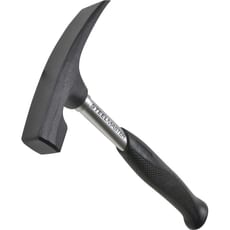
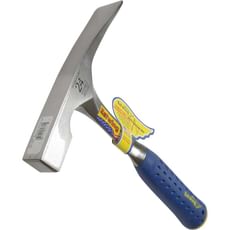
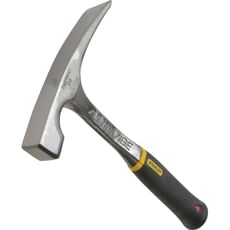
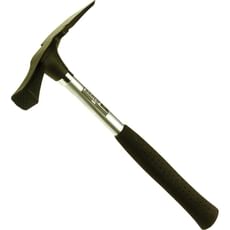
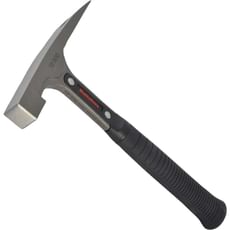
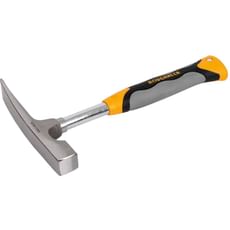
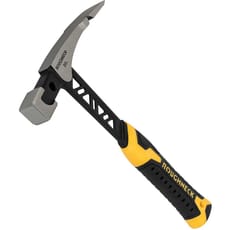
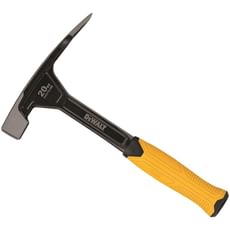
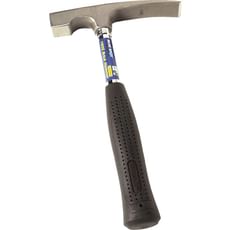
Brick hammers are essential tools for bricklayers, stonemasons and anyone working with masonry materials. These specialised hammers combine a traditional striking face with a chisel-style blade on the opposite end, making them ideal for both setting and cutting bricks, blocks and stone. The distinctive design allows tradespeople to shape and split bricks with precision, trim mortar joints, and tap bricks into position – all with a single tool. Whether you're building garden walls, laying foundations, or undertaking restoration work, a quality brick hammer is indispensable for achieving professional results.
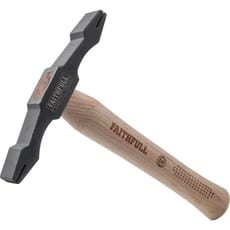
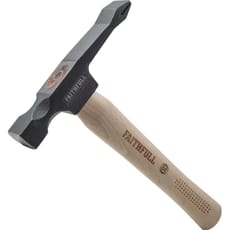
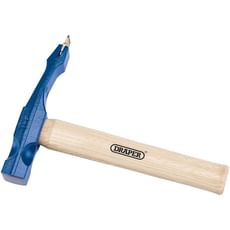
The selection at Tooled-Up.com includes traditional wooden-handled models favoured by purists, modern fibreglass-handled options that reduce vibration, and specialist scutch hammers designed for dressing stone and removing old mortar. With varying head weights typically ranging from 450g to 700g, you'll find the perfect balance between control and striking power for your specific masonry requirements. Available brands include Stanley, DeWalt, Bahco, Estwing, Faithfull, Hultafors, Draper and Roughneck.
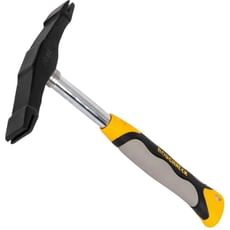
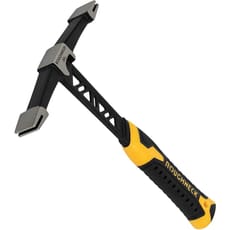
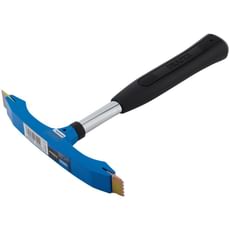
Scutch hammers – close relatives of the brick hammer – feature either single or double-ended scutch combs for more aggressive material removal. These are particularly useful for cleaning up brickwork, removing render, and preparing surfaces before repointing. Whether you're a professional bricklayer working on site or a DIY enthusiast tackling home improvement projects, the comprehensive range available from Tooled-Up ensures you'll find the right tool for cutting, shaping and laying masonry materials.
Jargon Buster
- Scutch Hammer – A specialised masonry hammer featuring either one or two comb attachments (scutch combs) used for dressing stone and removing mortar. The combs can be replaced when worn and come in different tooth configurations for various materials.
- Chisel End – The blade-like end of a brick hammer, opposite to the striking face, used for scoring, cutting and splitting bricks. The chisel end is typically forged to a sharp edge for precise material removal.
- Anti-Vibration Handle – A handle design incorporating shock-absorbing materials or construction techniques to reduce the impact transmitted to the user's hand and arm, minimising fatigue and the risk of repetitive strain injuries during prolonged use.
- Striking Face – The flat, hardened head of the hammer used for tapping bricks into position and general striking tasks. Often slightly crowned to prevent edge damage and ensure clean contact with masonry.
- Drop-Forged Head – A manufacturing process where the hammer head is shaped using heat and pressure, creating a dense, durable tool head with superior strength compared to cast alternatives. This construction method is preferred for professional-grade hammers.
- Claw vs Chisel – While some brick hammers feature a chisel blade, others may incorporate a small claw for pulling nails from formwork. The chisel design is more common for dedicated masonry work, whilst claw versions offer additional versatility on mixed construction sites.
Who Uses Brick Hammers?
Brick hammers are essential tools for a wide range of construction professionals and DIY enthusiasts:
- Bricklayers and Blocklayers – Professional tradespeople who rely on brick hammers daily for cutting, shaping and laying masonry materials
- Stonemasons – Craftspeople working with natural stone who use scutch hammers for dressing and shaping stone blocks
- General Builders – Multi-skilled tradespeople who need brick hammers for various masonry tasks on construction sites
- Groundworkers – Professionals laying foundations, drainage and hard landscaping who frequently work with bricks and blocks
- Restoration Specialists – Tradespeople working on heritage buildings who require brick hammers for careful repointing and renovation work
- Landscapers – Garden designers and contractors building walls, patios and outdoor features using brick and stone
- DIY Enthusiasts – Homeowners undertaking garden walls, barbecues, planters and other masonry projects
- Property Maintenance Teams – Professionals handling repairs and alterations to brickwork on residential and commercial properties
How to Choose the Right Brick Hammers
Selecting the appropriate brick hammer depends on several important factors:
Head Weight: Brick hammers typically range from 450g to 700g. Lighter hammers (450-550g) offer better control for precision work and are less fatiguing during extended use, making them ideal for detailed cutting and smaller projects. Heavier models (600-700g) provide more striking power for breaking harder materials and are preferred by professionals working with dense engineering bricks or stone.
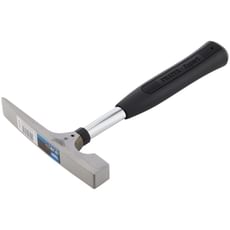
Handle Material: Traditional wooden handles (typically ash or hickory) offer excellent shock absorption and a comfortable feel appreciated by experienced tradespeople. Fibreglass handles provide superior durability, weather resistance and reduced vibration, making them popular for site work in all conditions. Steel-handled options, often with rubber grips, deliver maximum durability but transmit more vibration. Consider anti-vibration models from brands like Stanley if you're undertaking prolonged masonry work to reduce fatigue and strain.
Chisel Blade Design: The chisel end should be properly hardened and sharp enough for clean cuts but not so brittle that it chips easily. Check whether the blade is replaceable or requires sharpening – professional models from Estwing and Bahco typically feature high-quality forged blades that can be resharpened multiple times.
Build Quality: Look for drop-forged heads with properly secured handles. The connection between head and handle is critical – loose heads are dangerous and ineffective. Brands like DeWalt, Faithfull and Hultafors are renowned for reliable construction that withstands the rigours of daily professional use.
Special Features: Some brick hammers include magnetic nail holders, leather wrist straps, or replaceable striking faces. Scutch hammers require compatible replacement combs – check availability and cost before purchasing. If you're primarily removing old mortar or dressing stone, a dedicated scutch hammer from Draper or Roughneck may be more appropriate than a standard brick hammer.
Popular Accessories
- Bolsters and Cold Chisels – For cutting bricks with greater precision and control when paired with hammer striking
- Replacement Scutch Combs – Essential consumables for scutch hammer users, available in various tooth configurations
- Club Hammers and Lump Hammers – Complementary striking tools for heavier demolition and breaking work
- Spirit Levels – Critical for ensuring brickwork remains true and level as courses are laid
- Trowels and Pointing Tools – Essential companions for mortaring and finishing joints after bricks are positioned
- Safety Goggles and Gloves – Personal protective equipment for safeguarding against flying masonry chips and hand injuries
- Tool Belts and Pouches – Convenient storage solutions for keeping your brick hammer accessible on site
- Brick Lines and Pins – For maintaining straight courses when laying brickwork
- Whetstone or Sharpening File – For maintaining the chisel edge of your brick hammer
Safety Information
Working with brick hammers involves several safety considerations that should never be overlooked:
Personal Protective Equipment: Always wear safety goggles or a face shield when striking or cutting bricks, as sharp fragments can fly in unpredictable directions at high speed. Heavy-duty work gloves protect hands from cuts and splinters, whilst steel-toe-capped boots safeguard feet from dropped bricks or tools. The Health and Safety Executive (HSE) recommends appropriate PPE for all masonry work.
Tool Inspection: Before each use, inspect your brick hammer for loose heads, cracked handles, or mushroomed striking faces. A loose hammer head can detach during use with potentially serious consequences. Replace damaged tools immediately – never attempt to continue working with compromised equipment.
Proper Technique: Maintain a firm grip and ensure a stable stance before striking. When cutting bricks, work away from your body and keep hands clear of the chisel blade. Be particularly cautious when working at height on scaffolding or ladders, as the striking motion can affect balance.
Hand-Arm Vibration Syndrome (HAVS): Prolonged use of impact tools can lead to HAVS, a serious condition affecting blood circulation and nerve function in hands and arms. Use anti-vibration handles where possible, take regular breaks, and keep hands warm whilst working. The HSE provides specific guidance on managing vibration exposure for construction workers.
Dust and Debris: Cutting and dressing masonry materials generates silica dust, which poses serious respiratory health risks. Work in well-ventilated areas and consider wearing appropriate dust masks rated for fine particles, particularly when undertaking extensive cutting or scutch work. Wet cutting methods can significantly reduce airborne dust.
Frequently Asked Questions
What's the difference between a brick hammer and a club hammer?
A brick hammer features a chisel blade on one end for cutting and shaping bricks, with a striking face on the other for tapping bricks into position. It's a precision tool for bricklaying work. A club hammer (or lump hammer) has two identical striking faces and is designed purely for heavy-duty striking tasks, demolition work, and driving bolsters or cold chisels through masonry. Both have their place on site, but serve distinctly different purposes.
Can I use a brick hammer for other tasks besides bricklaying?
Whilst brick hammers are specialised tools optimised for masonry work, they can be useful for light demolition, removing old tiles, chipping away render, and general site work involving stone or concrete. However, they're not suitable replacements for claw hammers in carpentry or proper demolition hammers for heavy breaking work. Using them outside their intended purpose can damage the tool and compromise safety.
How do I maintain the chisel edge on my brick hammer?
The chisel blade should be kept reasonably sharp for clean cuts. Use a bench grinder or metal file to remove burrs and reshape the edge at approximately 60 degrees when it becomes dull. Work carefully to avoid overheating the metal, which can affect the temper. Wipe the head clean after use and apply a light coat of oil to prevent rust, particularly on the chisel edge. Professional bricklayers often sharpen their hammers weekly during periods of intensive use.
Are fibreglass handles better than wooden handles?
Both materials have advantages. Fibreglass handles are extremely durable, virtually weatherproof, and often incorporate anti-vibration technology, making them excellent for demanding site conditions. Wooden handles (particularly ash or hickory) provide natural shock absorption, a traditional feel preferred by many experienced tradespeople, and can be replaced if damaged. The best choice depends on personal preference, working conditions, and the intensity of use. Many professionals keep both types for different applications.
What weight brick hammer should I choose?
For general bricklaying and DIY projects, a 550-600g hammer provides an excellent balance of control and power. Lighter hammers (450-500g) suit precision work, smaller projects, and users who prioritise reduced fatigue during extended sessions. Heavier options (650-700g) are preferred by professionals working with hard materials like engineering bricks or natural stone where additional striking force is beneficial. If you're new to masonry work, start with a mid-weight option around 550g to develop proper technique before specialising.